📸 Ashgabat Through the Lens: City of Marble, Light, and World Records
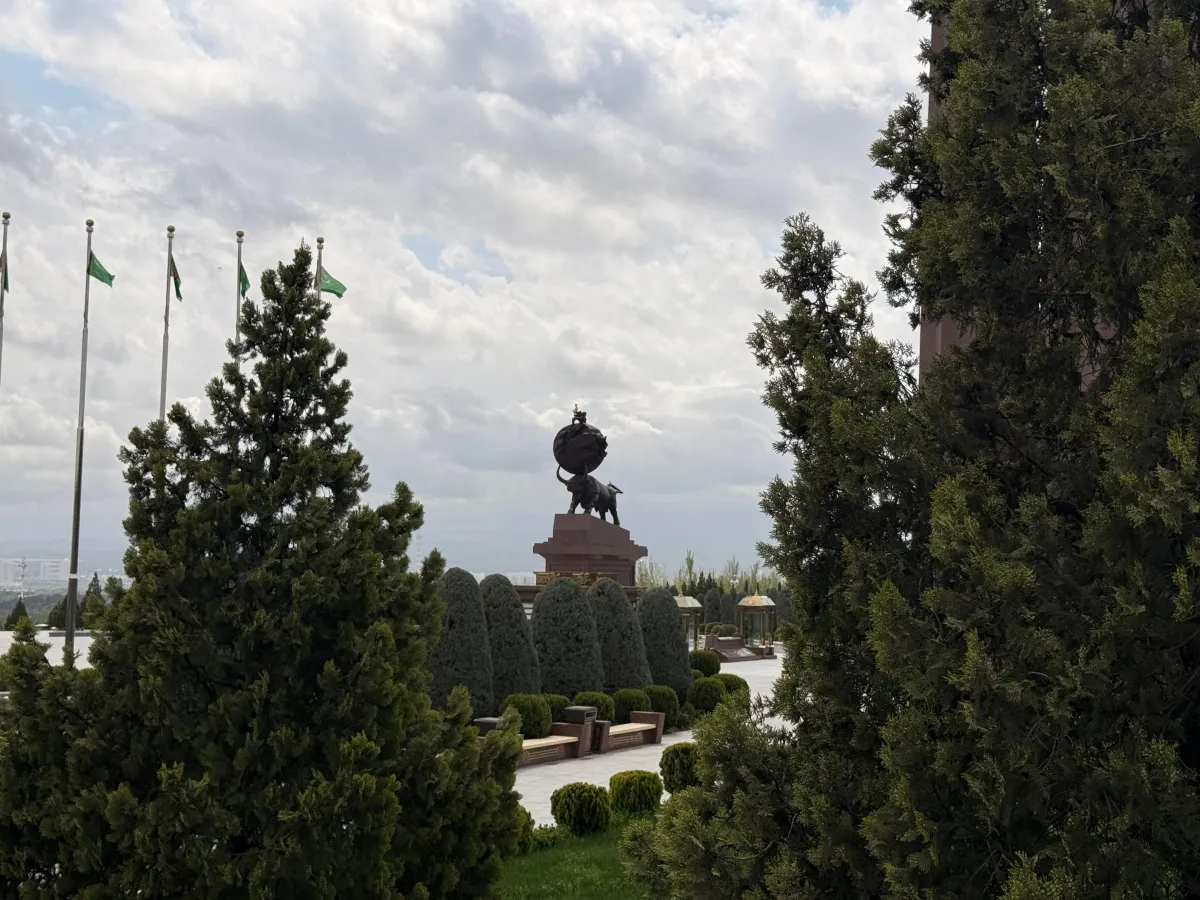
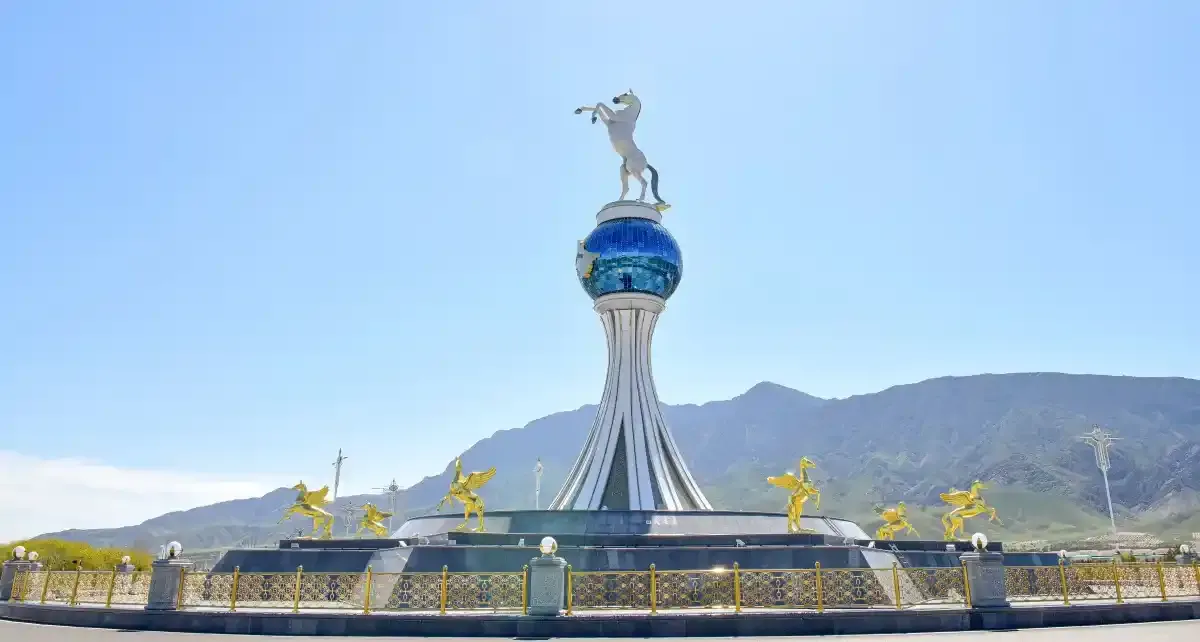
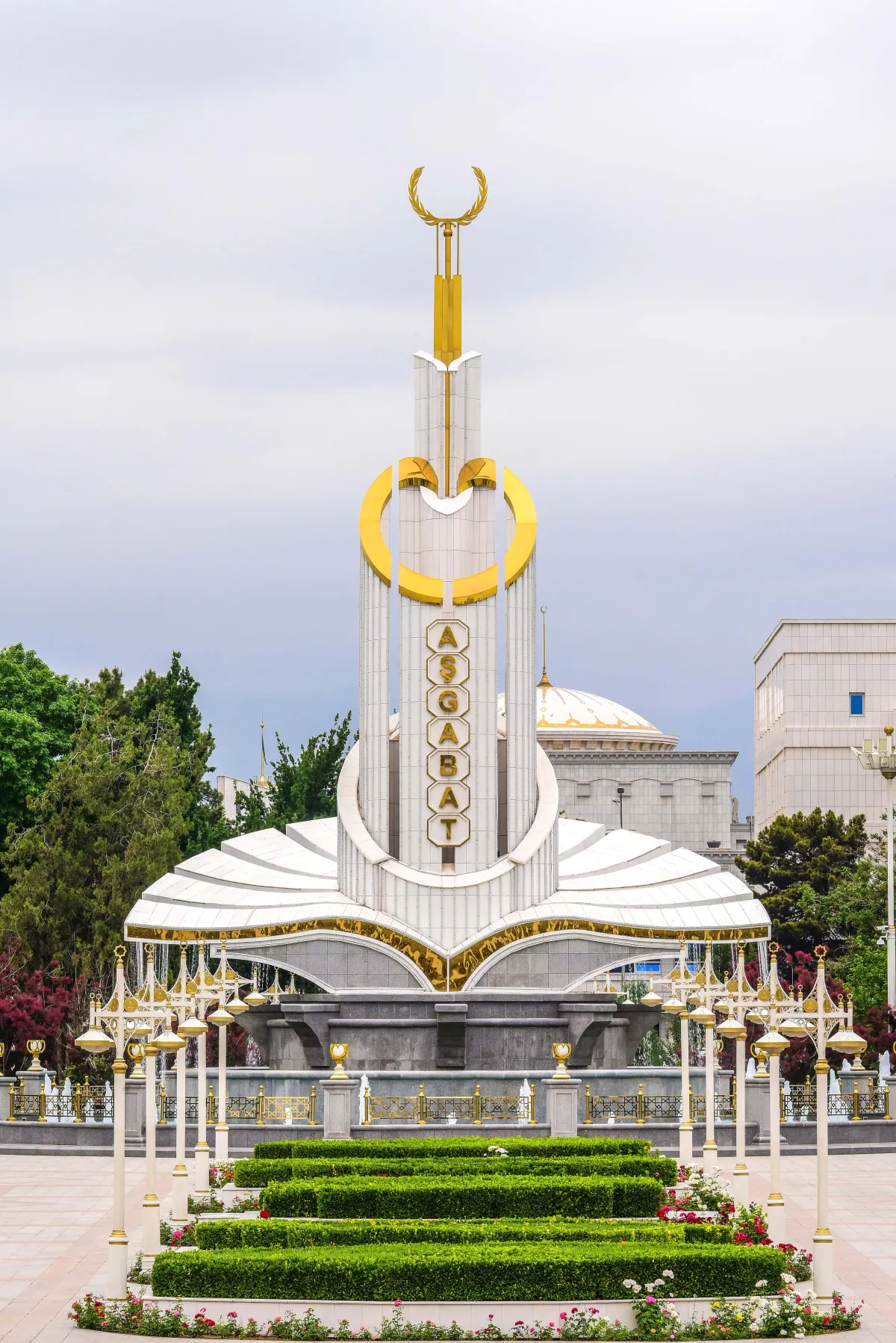
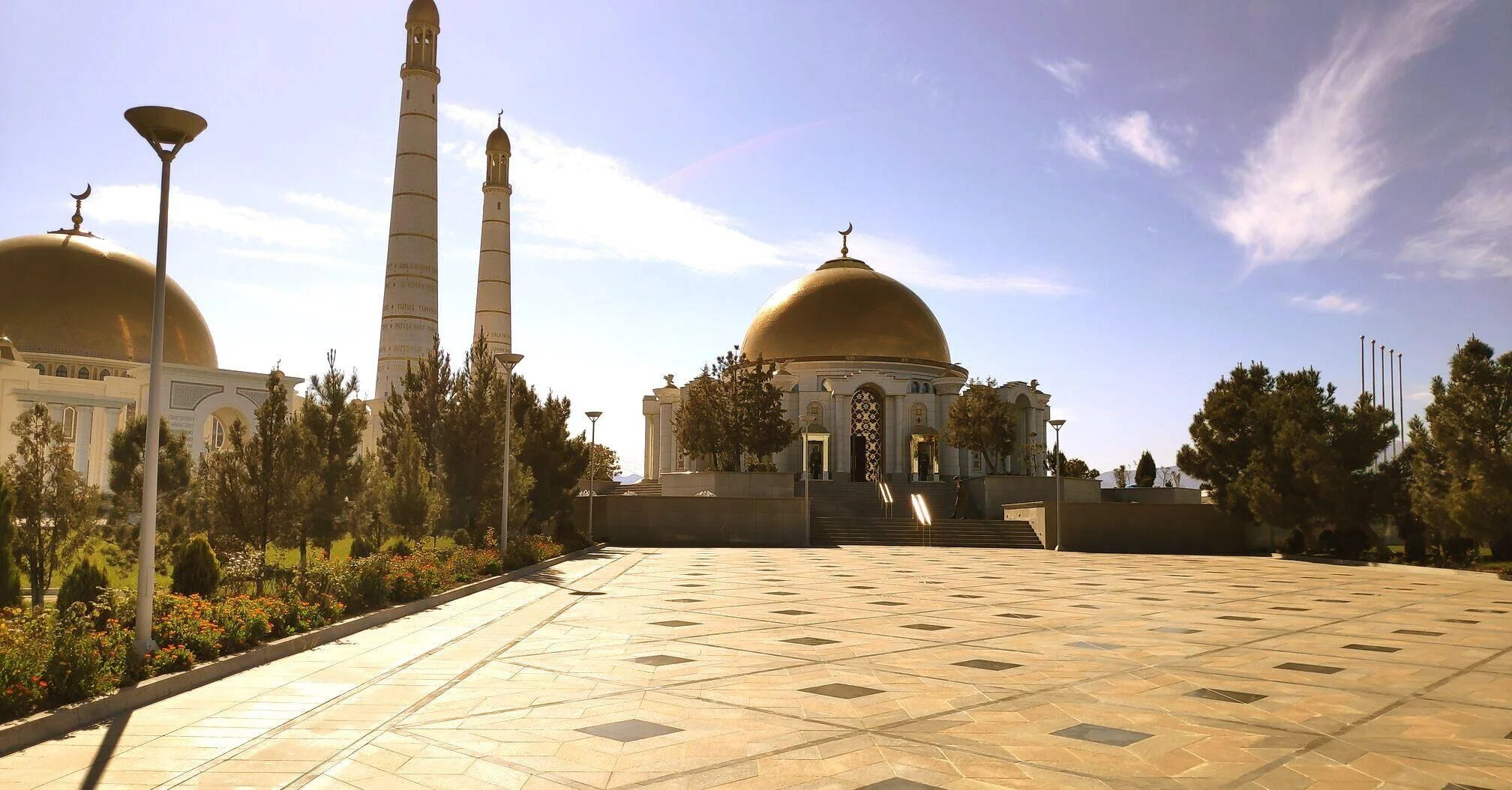
Ashgabat is one of the most extraordinary and photogenic cities on the planet. Listed in the Guinness World Records as the metropolis with the highest concentration of white marble buildings, it delivers a stunning visual impact. Gleaming white facades, gilded domes, futuristic high-rises, vast green parks, and monumental sculptural ensembles create a cityscape straight out of a science fiction novel. If you are looking for the perfect ashgabat photos for your portfolio or social media, this capital offers perspectives found nowhere else in the world.
However, photography in Ashgabat comes with its own unique characteristics, nuances, and rules. To ensure your photo walk goes smoothly and your shots turn out rich and vibrant, it is essential to know not only the locations, but also the optimal time of day, vantage points, and legal restrictions. In our complete Ashgabat travel guide, we explore the city’s history and logistics in detail, while this specialized guide focuses entirely on the art of photography in the "White City."
⚠️ Important Photography Rules in Ashgabat: What Every Photographer Needs to Know
⚠️ Before pulling out your camera or smartphone, it is essential to familiarize yourself with local etiquette and legal photography regulations. Ashgabat is an exceptionally safe and well-maintained city, but strict rules apply regarding certain sites.
- 🚫 What is strictly prohibited to photograph: Military facilities, police checkpoints, law enforcement officers in uniform, presidential residences, and certain key government administrative buildings. If you are unsure whether a shot is permitted, check with your guide or look for signs featuring a crossed-out camera icon.
- 🌳 Shooting in public areas and parks: In monumental parks, around public monuments, outside the Wedding Palace, near the Ferris wheel, and along major avenues, photography is completely unrestricted.
- 📷 Using tripods and professional gear: Setting up a camera on a tripod near major government buildings may draw security attention. In ordinary parks and at public viewpoints, tripods are allowed, especially during evening shoots.
- 🚁 Drones and UAVs: The import and operation of unmanned aerial vehicles (drones) in Turkmenistan by private individuals is strictly prohibited by law without special government authorization. All your best shots must be captured from the ground or designated observation decks.
- 👥 Portraits of locals: People in Turkmenistan are remarkably hospitable, yet you should always ask for polite permission before taking someone's portrait (especially women in traditional attire or market vendors).
🏛️ Top Architectural Photography Spots in Ashgabat
| 🏛️ Location | ✨ Architectural Feature | ⏰ Best Time to Shoot |
|---|---|---|
| Monument of Neutrality | 95 m high, rotating gold-plated statue | Late afternoon, "golden hour" |
| Bagt Koshgi Wedding Palace | Star of Oguz Khan encasing a glass globe with a gold map | Blue hour (sunset) and night |
| Alem Cultural and Entertainment Center | World's largest enclosed Ferris wheel | Evening (illuminations and fountains) |
| Independence Monument | 118-meter yurta-shaped spire, alley of statues | Daytime / pre-sunset |
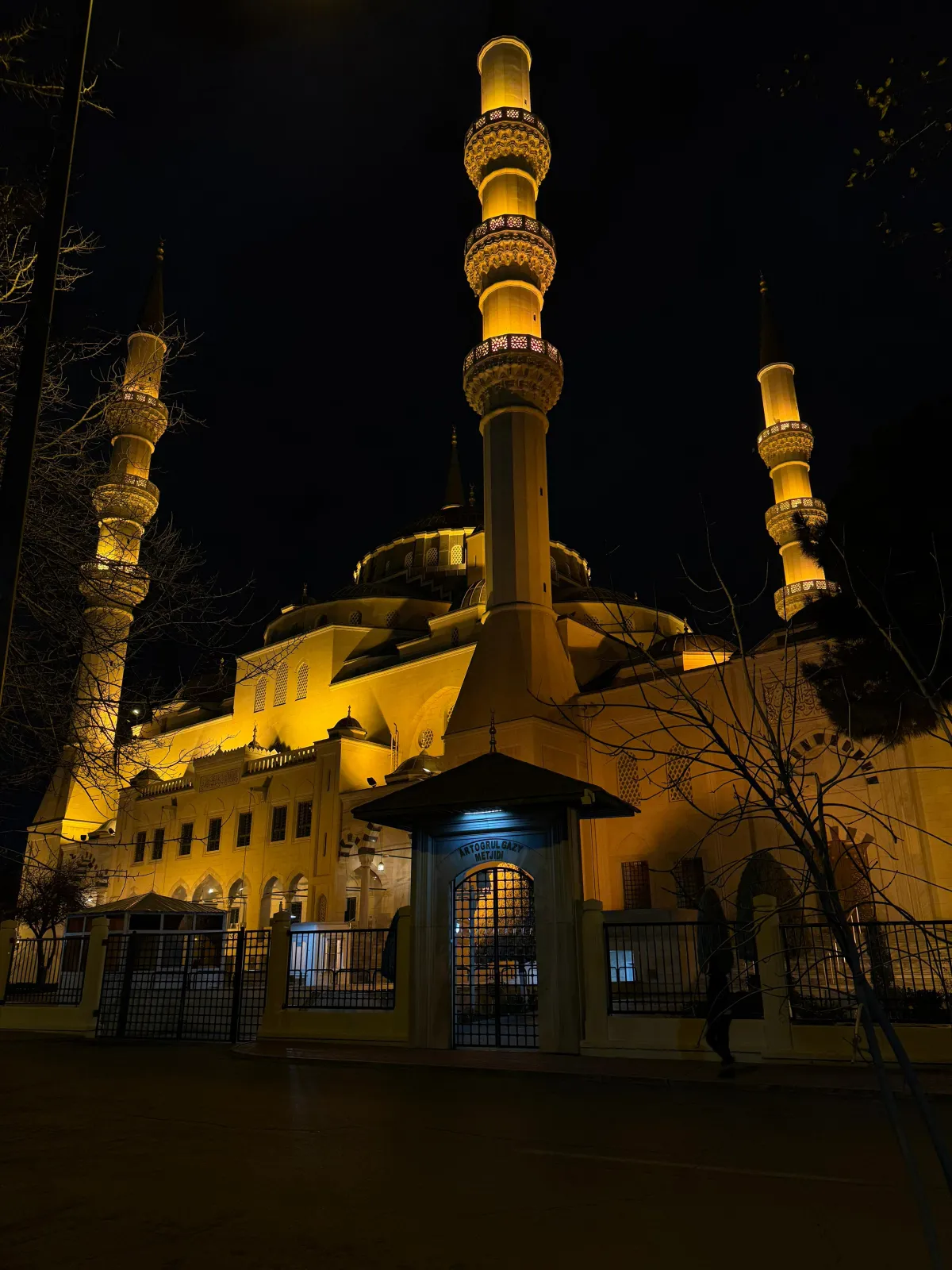
| Ertogrulgazy Mosque | Ottoman style, carved ornamentation, and stained glass | Daytime (interior and courtyard) |
1. 🕊️ Monument of Neutrality ("Arch of Neutrality")
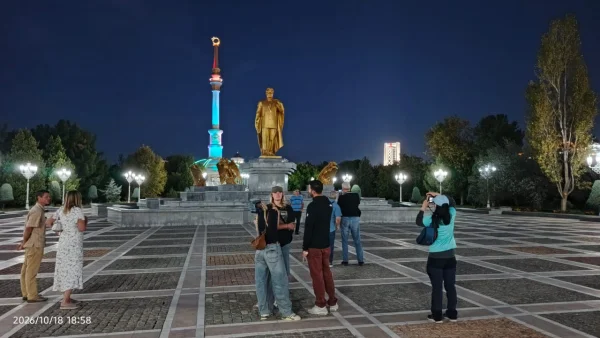
One of the city's most recognizable symbols. Rising 95 meters, the structure rests on three pylons and is crowned by a rotating gold-plated statue of the first president. The monument is set in the southern part of the city against the picturesque backdrop of the Kopet Dag mountain range.
Best time to shoot: Late afternoon and the "golden hour" before sunset. The setting sun bathes the marble and the golden statue in warm amber hues, while the mountains in the background turn deep shades of purple.
Composition tip: Use a wide-angle lens (14–24 mm) to fit the massive tripod structure into the frame from the base. Be sure to take the panoramic elevator to the observation platform—it offers breathtaking views of Ashgabat's geometrically arranged boulevards.
2. 💒 Bagt Koshgi Wedding Palace
A true masterpiece of futuristic architecture perched on a hillside. The building is designed as a multi-tiered Star of Oguz Khan enclosing a massive glass globe featuring a golden map of Turkmenistan. It is an absolute favorite for anyone looking to capture unique ashgabat photos.
Best time to shoot: Blue hour (dusk) and night. When the illumination turns on, the globe and geometric contours of the building glow in vibrant colors, dynamically shifting tones.
Composition tip: Shoot from the lower observation terrace to accentuate the building's scale against the open sky, or from the roadway of Archabil Avenue, capturing light trails from vehicle headlights (long exposure effect).
3. 🎡 Alem Cultural and Entertainment Center and Ferris Wheel
The Alem Center entered the Guinness World Records as the world's largest enclosed Ferris wheel. Its intricate, space-age steel-and-glass lattice structure looks impressive both up close and from across the main plaza in front of the venue.
Composition tip: Move close to the base of the facade and tilt your camera upward to convey the monumental pattern of the steel frame. In the evening, the plaza comes alive with illuminations and fountains, offering excellent conditions for mirror reflections across the polished granite.
4. 🗿 Independence Monument of Turkmenistan
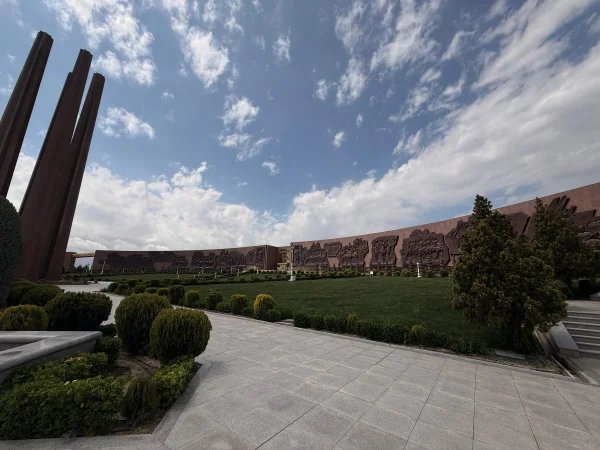
Locally, this monument is often nicknamed "The Octopod" due to its base design evoking a traditional Turkmen yurt tent, topped by a 118-meter column-like spire. The complex is surrounded by an extensive park with a grand promenade lined with gold-plated statues of historical Turkmen rulers and heroes.
Composition tip: Compose symmetrical frames straight down the center of the ceremonial avenue. The foreground sculptures provide a wonderful sense of scale and leading lines, guiding the viewer's eye toward the central white-marble monument.
5. 🕌 Ertogrulgazy Mosque
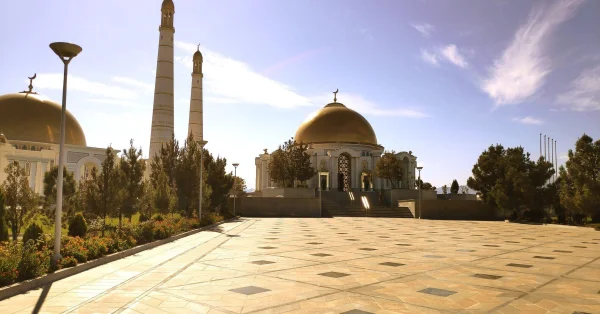
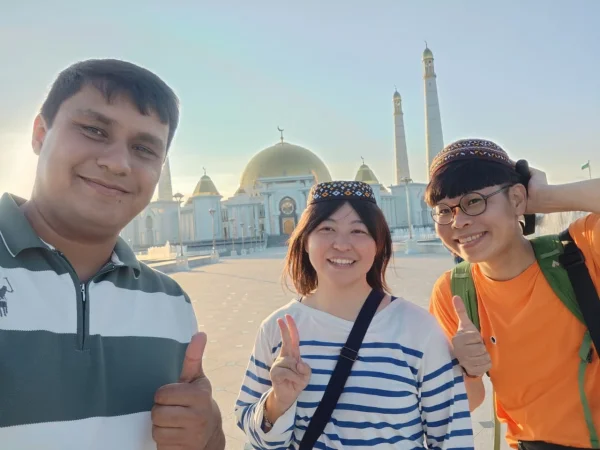
Built in the classical Ottoman style and reminiscent of Istanbul’s Blue Mosque, the Ertogrulgazy Mosque presents a striking contrast to Ashgabat's futuristic marble high-rises. Its graceful minarets, cascading domes, and richly decorated interior filled with painted motifs and stained glass make it a must-see for fans of heritage architecture.
Composition tip: Inside the mosque, shoot the central dome and chandelier from a low angle using a wide-angle lens. Outside, the best perspective opens up from the arcaded inner courtyard.
🎭 Atmosphere and Color: Where to Photograph Traditional Life
While Ashgabat is renowned for its contemporary architecture, it also preserves deep cultural traditions. If you want to balance sleek architectural lines with authentic human moments and vibrant local color, head to the city's lively bazaars.
🛍️ Altyn Asyr Oriental Bazaar (Tolkuchka)
Located on the outskirts of Ashgabat, this colossal bazaar is shaped like a traditional Turkmen carpet medallion (göl) when viewed from the air. Real life thrives here: endless aisles showcase handmade Turkmen rugs, tribal silver jewelry, traditional robes (don), and sheepskin hats (telpek).
- 🧵 What to photograph: Intricate carpet textures, colorful displays of spices and dried fruit, and artisans at work.
- 💡 Tip: Always ask vendors for permission before taking their photo. A friendly smile and a few greeting words in Turkmen or Russian will easily open doors to warm, heartfelt portraits.
🍉 Teke Bazaar and Gulistan Bazaar (Russian Bazaar)
These markets are situated closer to the city center. Gulistan Bazaar is a classic example of Soviet modernism with a covered trading hall. Come here to capture vibrant pyramids of melons, pomegranates, freshly baked pastries, and decorative Turkmen flatbread (choreck).
🌃 Night Photography in Ashgabat: The Magic of Neon and LEDs
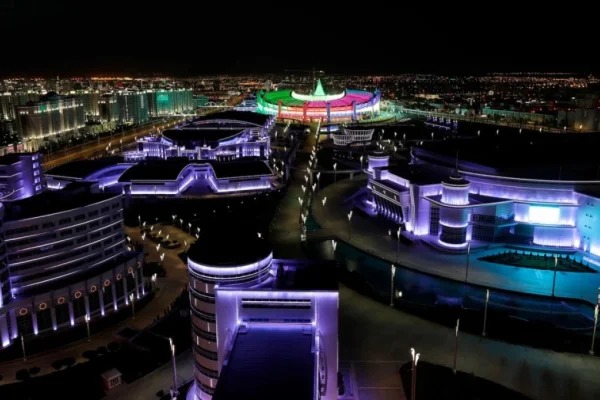
While Ashgabat appears dazzlingly white, orderly, and monumental by day, nightfall transforms it into a luminous spectacle. The city has invested heavily in architectural lighting design: nearly every facade, bridge, fountain, and monument features dynamic, color-shifting LED illumination.
✨ Best Vantage Points for Night Shots
1️⃣ Yildiz Hotel Viewpoint: Situated on elevated ground, this hotel's grounds offer a sweeping panoramic view over the entire night cityscape of Ashgabat glowing with millions of lights.
2️⃣ Archabil Avenue: A wide multi-lane thoroughfare lined with futuristic streetlights and illuminated government ministry headquarters. An ideal spot for capturing dynamic traffic light trails using long exposures (10–20 seconds).
3️⃣ Oguzkhan and Sons Fountain Complex: Recognized as the world's largest fountain complex, located along the road from the airport. At night, the fountains are lit in full rainbow spectra, creating a mesmerizing display of water and light.
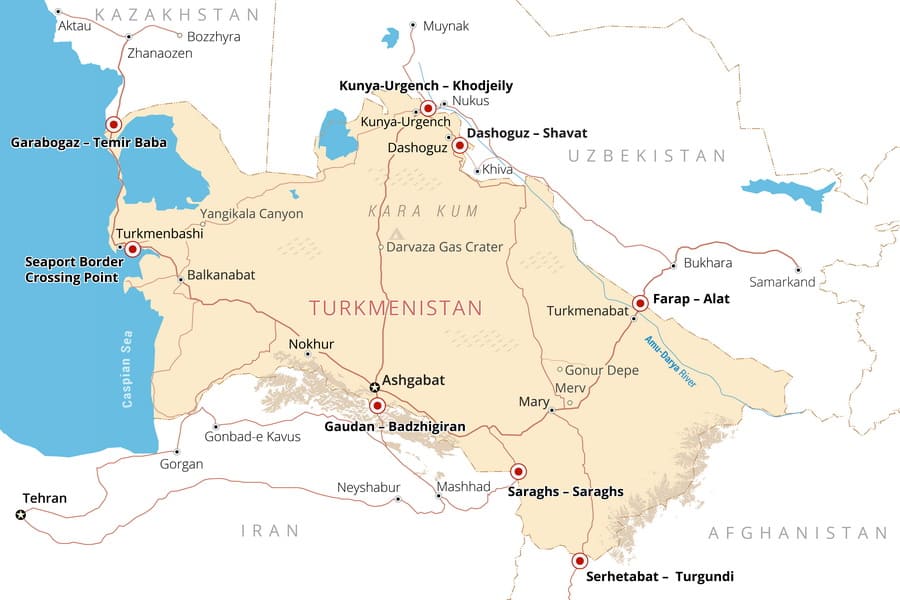
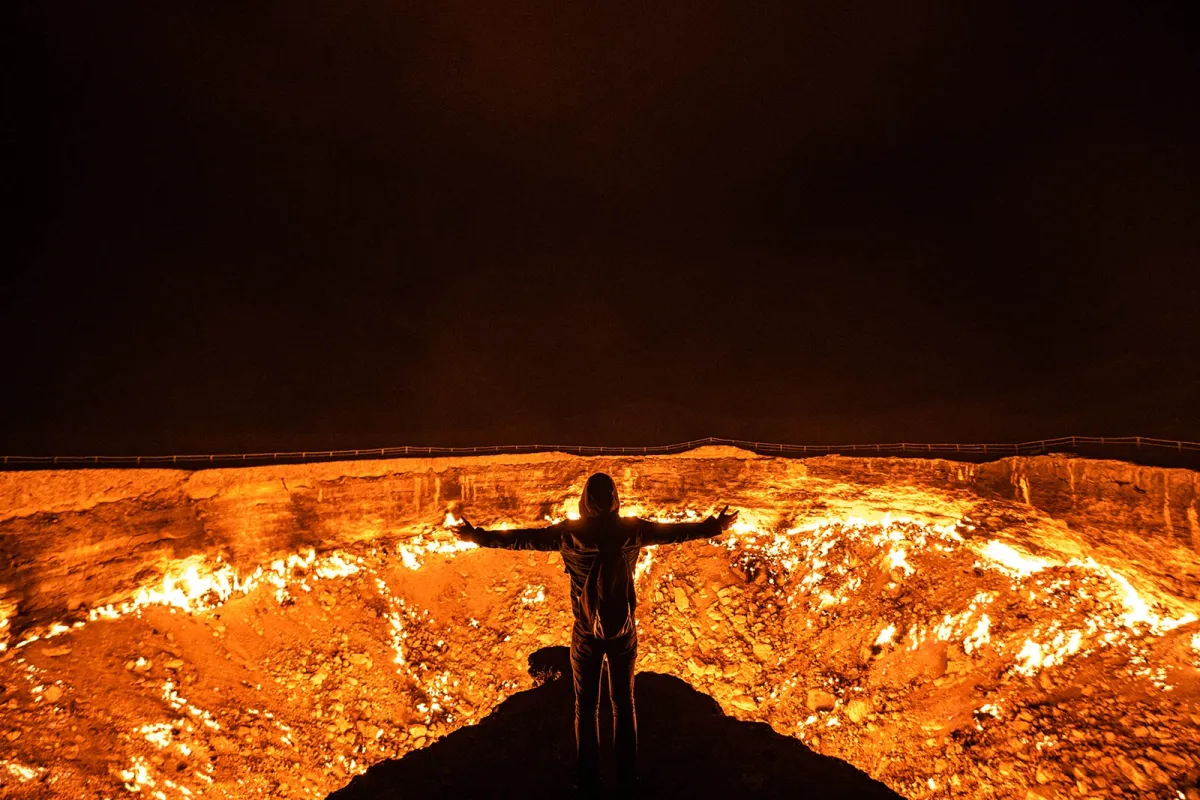
ℹ️ If you plan to visit the capital as part of a comprehensive journey across the country, check out our 4-day Turkmenistan tour: Ashgabat, Ancient Merv, and Darvaza Gas Crater. This itinerary perfectly blends night photography in the capital with the surreal visuals of the fiery crater in the Karakum Desert.
💡 Practical Tips for Photographers: Gear, Lighting, and Seasons
A successful photo shoot in Ashgabat requires thoughtful preparation. Here are several expert recommendations from the TmTourism team to help you bring home flawless images:
1. 📸 Lens Selection
- 🔍 Ultra-wide-angle lens (14–24mm or 16–35mm): Your most critical tool in Ashgabat. Buildings and monuments here are so massive that a standard 50mm lens simply cannot capture them entirely.
- 🔭 Telephoto lens (70–200mm): Useful for isolating architectural details: gilded finials, intricate bas-reliefs, decorative patterns, and discreet street portraits at bazaars from a distance.
- ☀️ Circular Polarizing Filter (CPL): An essential accessory for daytime shooting. On bright sunny days, the ultra-white marble produces intense glare that can blow out highlights. A CPL filter cuts glare, softens reflections, and deepens blue skies.
2. 🗓️ Best Season for Photography
The most comfortable seasons for traveling and photo walks are spring (March – May) and autumn (September – November). During these months, temperatures hover pleasantly around +20…+28 °C (+68…+82 °F), skies are mostly clear, and the capital's parks are adorned with fresh greenery and flowers or golden autumn foliage. Summer in Ashgabat can be scorching (exceeding +40 °C / +104 °F), creating atmospheric heat haze that reduces clarity on distant compositions.
3. 🗺️ Turkmenistan Photo Tours: Planning Your Route
Ashgabat is just the starting point of Turkmenistan’s incredible visual highlights. If you have limited time, our short 2-day Turkmenistan circular tour starting and ending in Ashgabat is an ideal introduction to the capital's key landmarks and surrounding highlights.
For travelers eager to explore the country's diverse landscapes and heritage, we recommend booking the 5-day Turkmenistan tour covering Ashgabat, Merv, and Darvaza. After photographing marble palaces, you can capture the monumental desert ruins featured in our guide to Ancient Merv, or frame the breathtaking pink and orange cliffs of the Yangykala Canyons.
☑️ Ashgabat Photography Checklist
To ensure nothing is overlooked before heading out for your shoot, review our essential checklist:
- ☑️ Charge primary and spare camera batteries (evening long-exposure sessions drain power quickly).
- ☑️ Pack microfiber cloths and a lens blower (fine desert dust can settle on lenses in dry conditions).
- ☑️ Wear comfortable walking shoes: distances between sites within Ashgabat's park complexes are immense.
- ☑️ Ensure your local guide knows your photography goals—they can advise exactly where security allows tripods at each location.
- ☑️ Don't miss the "blue hour" (15–30 minutes after sunset)—this is when the balance of ambient skylight and artificial facade lighting yields the richest, most captivating images.
📝 Conclusion
Ashgabat is a genuine paradise for lovers of architectural, futuristic, and night photography. Its grand geometric layout, luminous white marble, ornate accents, and spectacular illumination make the city an extraordinary canvas for creative visual storytelling. Keep these simple rules in mind, time your shoots wisely, and discover the best photographic vistas with TmTourism!