Introduction: The Main Treasure of the White Marble Capital
At the foot of the picturesque Kopetdag Mountains, on the southern outskirts of the Turkmen capital, stands one of the most magnificent museum complexes in Central Asia — the State Museum of the State Cultural Centre of Turkmenistan. For travelers from all over the world visiting the national museum ashgabat, this place serves as the master key to understanding the country's centuries-old history. Spanning an area of more than 15,000 square meters, it houses over 500,000 unique exhibits covering the period from the Paleolithic era to the present day.
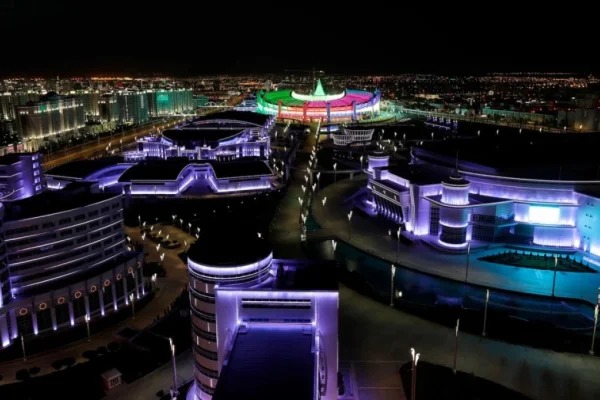
Here, antiquity intertwines with majestic modern architecture. If you want to truly grasp how great empires rose and fell across this land — from Parthia and Margiana to the Great Seljuks — a visit here is an absolute must. For more practical information about the capital, explore our detailed guide to white-marble Ashgabat.
Architectural Ensemble and Structure of the Museum
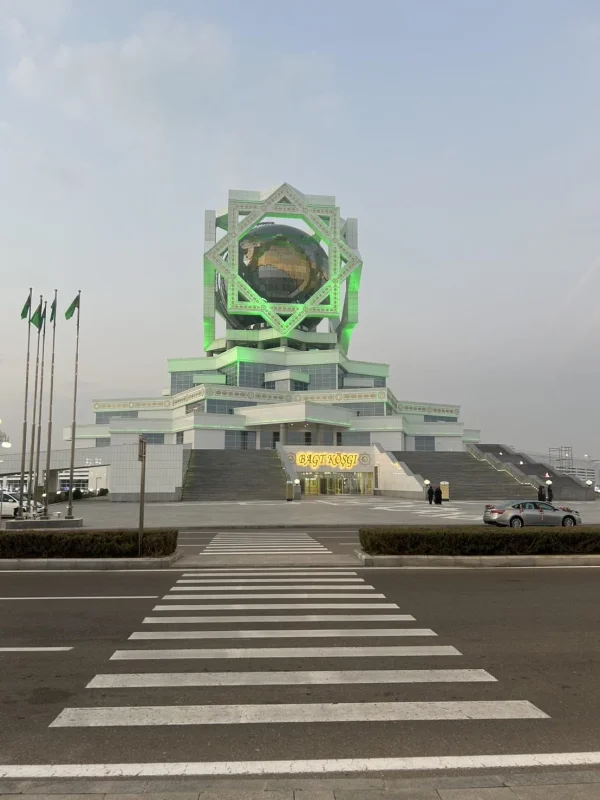
The museum complex was officially inaugurated in 1998 and has since been expanded multiple times. Built from white Turkish marble and decorated with grand columns and gilded domes, the building itself is a masterpiece of modern architecture. The central dome of the museum rests on 16 massive columns, symbolizing the 16 ancient Turkmen states.
The museum complex grounds include three key branches connected by a shared esplanade:
- Museum of History and Archaeology: The main building housing the most valuable ancient discoveries, including Parthian rhytons and artifacts from the Margiana civilization.
- Museum of Ethnography and Local Lore: An exposition dedicated to the traditional lifestyle of the Turkmen people, carpet weaving, jewelry arts, as well as the region's nature and geology.
- Museum of the President of Turkmenistan: A wing illustrating the country's modern history, state gifts, awards, and the achievements of the independence era.
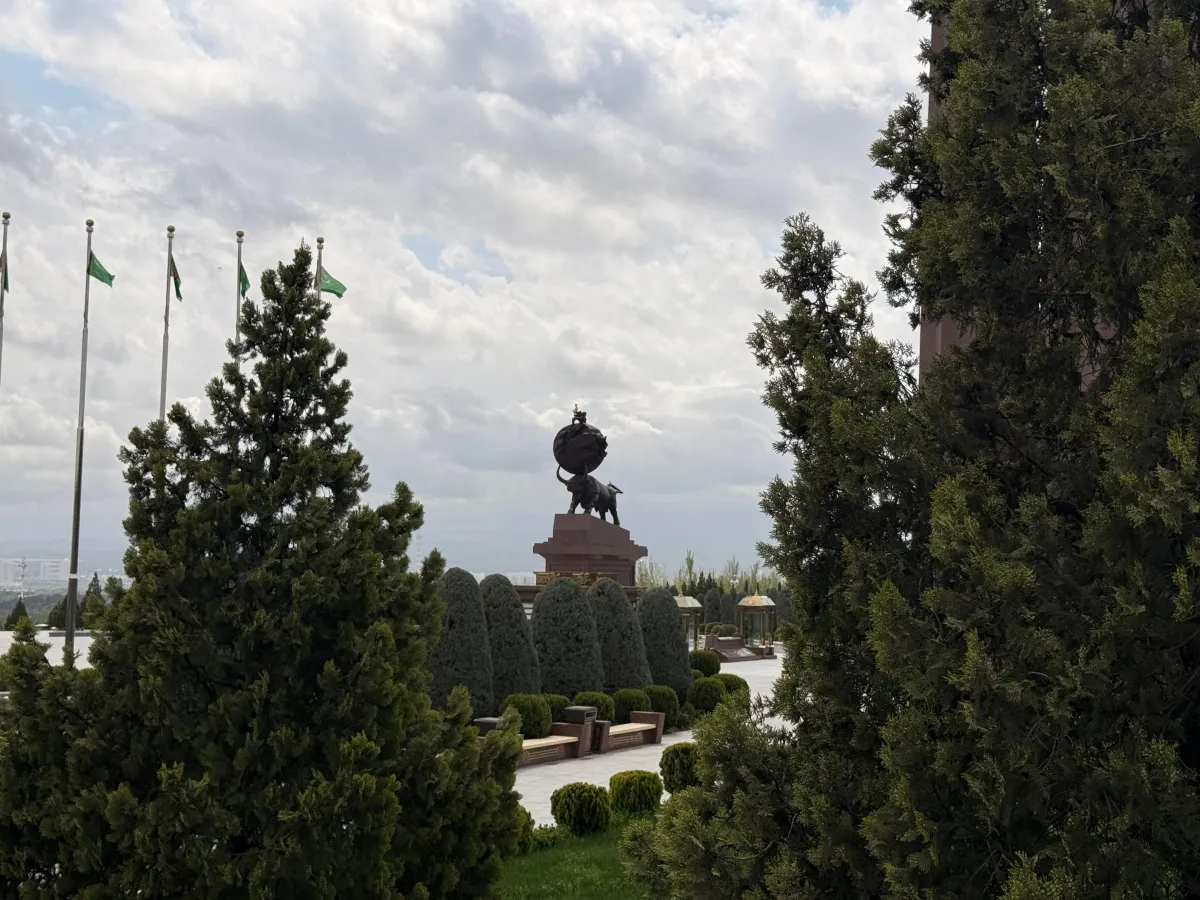
Adjacent to the museum stands one of the world's tallest flagpoles (133 meters), flying a gigantic flag of Turkmenistan, making this area even more photogenic.
Main Halls and Exhibitions: Must-See Highlights
1. Hall of Ancient History and the Margiana Civilization
This hall transports visitors 4,000 to 5,000 years back in time, to the era of the land of Margush (Margiana) and its legendary capital, Gonur Depe. Turkmenistan is considered the fifth oldest cradle of world civilization alongside Egypt, Mesopotamia, India, and China, and the museum offers tangible proof of this.
What to see:
- Royal seals from Gonur Depe: Unique stone and bronze seals featuring depictions of winged dragons, serpents, lions, and mythical creatures.
- Mosaic panels: The world's oldest mosaic artworks discovered in the royal tombs of Margush, crafted with extraordinary skill.
- Ceramics and bronze weaponry: Ritual vessels, stone column amulets, and jewelry dating back to the 3rd–2nd millennia BC.
2. Hall of Parthian Culture and the Famous Rhytons of Nisa
The Parthian Empire, which once challenged Ancient Rome itself, established its early capital at Old Nisa — just a few kilometers from modern-day Ashgabat. The archaeological excavations at Nisa revealed genuine masterpieces of antique art, which today form the centerpiece of the national museum ashgabat collection.
The crown jewel of the entire museum is the collection of ivory rhytons. These horn-shaped drinking vessels, crafted by Parthian artisans in the 2nd century BC, are adorned with exquisite bas-reliefs depicting Greek deities, muses, centaurs, and sacrificial beasts. The detail of the carved ivory astounds even modern jewelers. Seeing them in person is the ultimate reason to visit the country's premier museum.
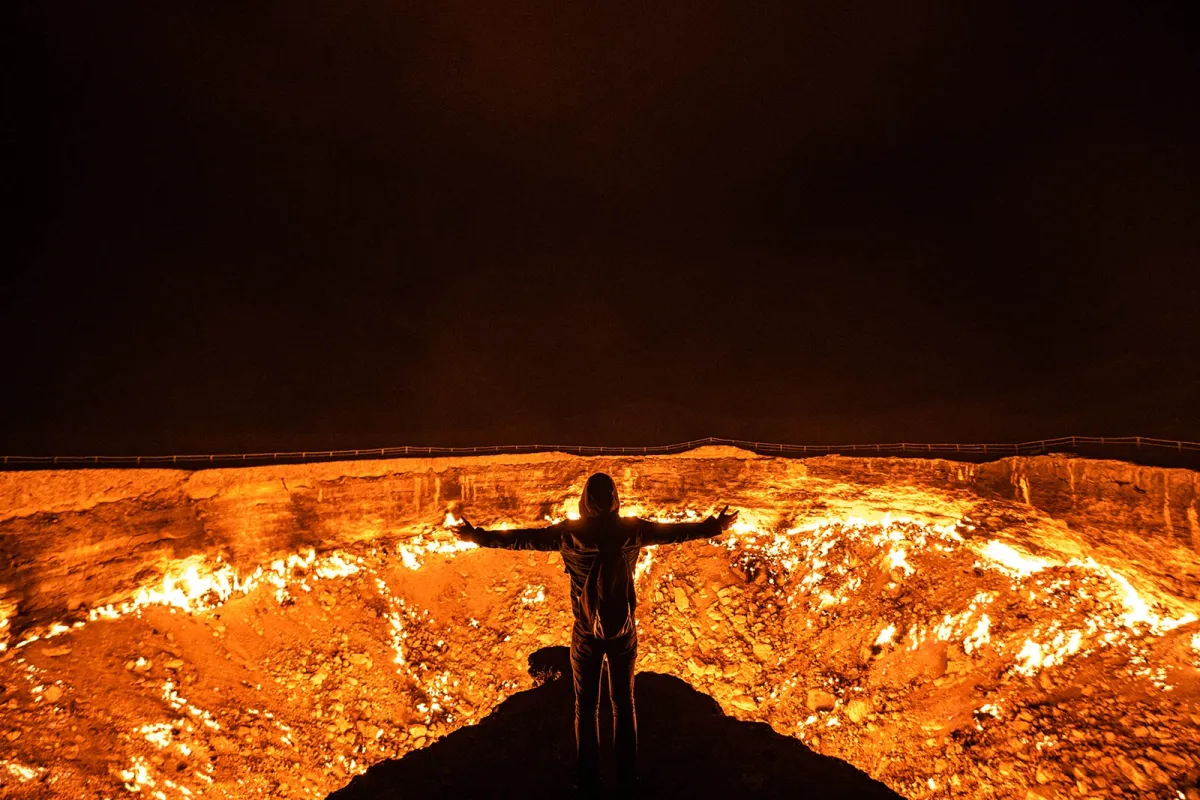
To combine admiring the rhytons with a trip to the ruins of the ancient fortress itself, you can book a 4-day Turkmenistan tour visiting Ashgabat, Merv, and the Darvaza Crater.
3. Medieval Hall: The Silk Road and the Seljuk Era
During the Middle Ages, the territory of Turkmenistan served as a bustling crossroads of Eurasian trade routes. This hall presents artifacts from the great cities of bygone centuries: Merv, Gurganj (Kunya-Urgench), Abiward, and Dehistan.
On display here are:
- Medieval bronze lamps and incense burners shaped like lions and peacocks.
- A collection of ancient coins (including Seljuk gold dinars and silver dirhams).
- Unique glazed ceramics featuring calligraphic inscriptions and geometric patterns.
- Fragments of architectural decor and carved ganch (stucco) from palaces and mosques.
If you are passionate about medieval architecture, we also recommend reading about the fascinating history of Ancient Merv.
4. Ethnography Hall: Silver, Carpets, and National Costumes
The ethnographic section offers a vibrant and picturesque panorama of traditional Turkmen culture. Here, the atmosphere of an authentic Turkmen yurt (öý) is meticulously recreated with complete interior furnishings.
Top exhibits in the hall:
- Turkmen carpets: The collection includes both antique tribal rugs (Teke, Yomut, Ersari) and impressive contemporary giants. You will be able to examine the intricate geometric patterns (göls), each telling the story of a specific tribe.
- Traditional silver jewelry: Turkmen women wore heavy silver jewelry inlaid with carnelian and turquoise. A bride in full wedding attire could carry up to 30 kg of silver! The display cases showcase the complete ensemble: from headpieces (gupba) to pectoral ornaments (gulyaka) and amulet cases (dagdan).
- Silk garments and embroidery: National robes (dons), bridal cloaks (kurte), and protective amulets for children, adorned with fine hand embroidery.
- Akhal-Teke horse harness: Luxurious blankets and silver bridles adorned with precious stones, highlighting the revered status of the "heavenly horses."
You can visit the museum and witness these treasures firsthand by choosing our quick 2-day Turkmenistan circular tour starting and ending in Ashgabat.
5. Hall of Nature and Geology
This department of the museum is particularly popular with families with children and natural history enthusiasts. It features taxidermy specimens of rare animals inhabiting the Karakum Desert and the Kopetdag Mountains (including the snow leopard, cheetah, Caspian seal, and rare eagles).
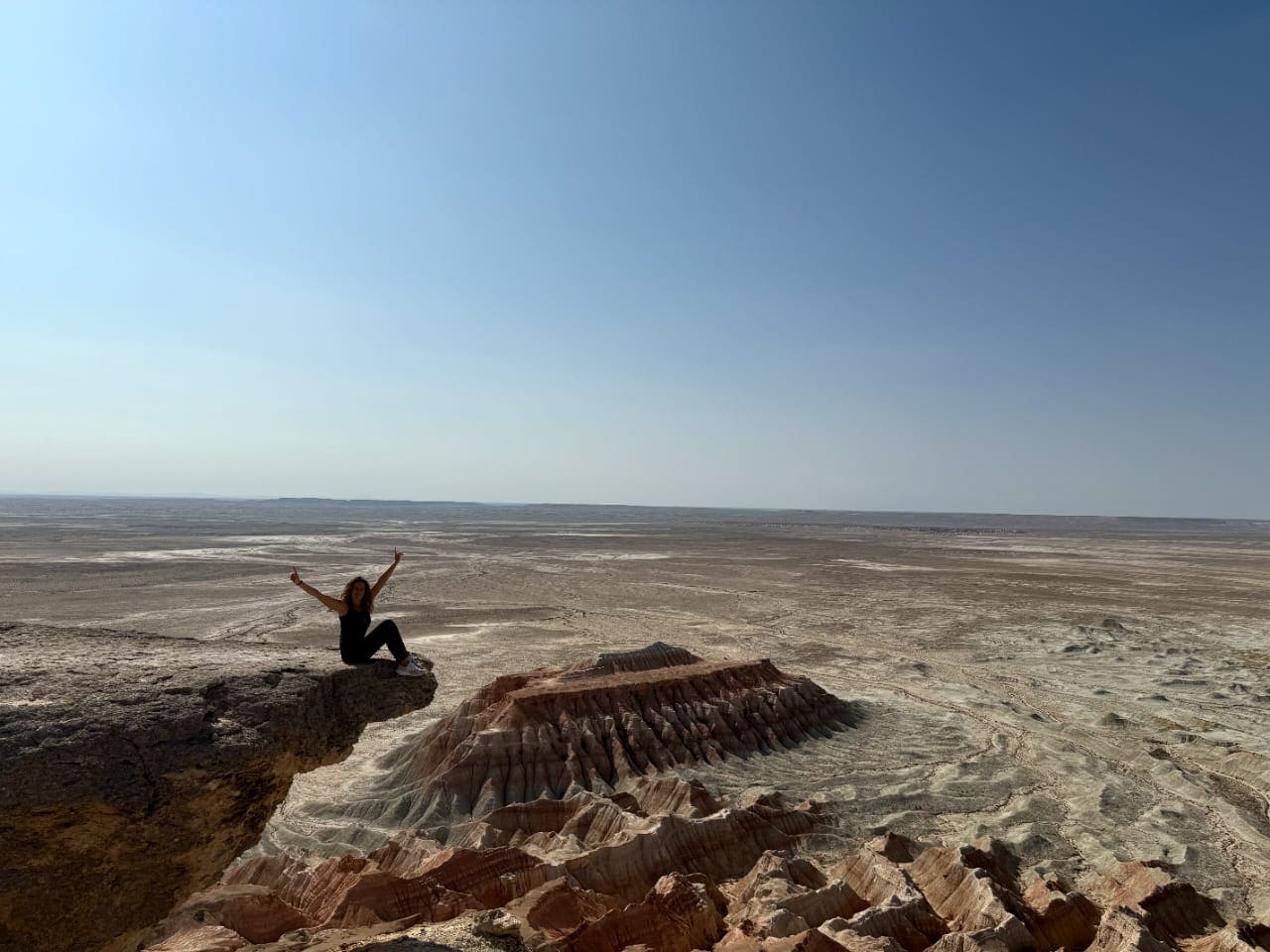
Visitors can also view unique geological specimens, rare minerals from the Karlyuk caves, and fossilized Jurassic dinosaur tracks discovered on the renowned "Dinosaur Plateau" in Hojapil in the eastern part of the country.
Top 7 Masterpieces You Cannot Miss
- Ivory Rhytons (Nisa, 2nd century BC): The pinnacle of antique ivory carving.
- Golden Bull Head (Gonur Depe, 3rd millennium BC): A symbol of fertility and power in the Margiana Kingdom.
- Silver Compartmented Seal with Dragon: An exceptionally rare Bronze Age artifact.
- Giant Hand-Woven Turkmen Carpet: An awe-inspiring masterpiece registered in the Guinness Book of Records.
- Turkmen Bridal Silver Adornment: A complete ensemble of silver armor-like jewelry.
- Ancient "Ak Bugday" Wheat Grains: Archaeological discoveries from Anau that proved the deep antiquity of agriculture in this region.
- Ceremonial Akhal-Teke Horse Tack: Crafted from pure silver, gilding, and carnelian.
Practical Information for Visitors
How to Get There
The State Museum is located on Chandibil Avenue (Chandibil Shayoly), near the intersection with Archabil Avenue. You can reach it from downtown Ashgabat in about 15–20 minutes by taxi or by city bus (routes No. 34, 37, 42).
Opening Hours and Tickets
- Opening Hours: Daily from 09:00 to 18:00 (lunch break from 13:00 to 14:00).
- Closed: Tuesdays.
- Ticket Prices: For international tourists, admission is approximately 30–50 TMT (prices are subject to change; please verify with your guide).
- Photography: Bringing professional cameras is strictly restricted or requires purchasing a special photo permit at the ticket desk. Mobile phone photography is permitted in most halls, except for the treasury containing precious gold artifacts.
Visiting Etiquette and Tips
- Dress Code: It is advisable to dress modestly (covering shoulders and knees) out of respect for local customs.
- Recommended Duration: To comfortably tour the museum's main galleries, plan for about 2.5 to 4 hours.
- Tour Guides: We highly recommend booking a guided tour. Although exhibits feature labels in Turkmen and English, only a knowledgeable professional guide can bring the deep historical context and legends to life.
How to Incorporate the Museum into Your Turkmenistan Itinerary
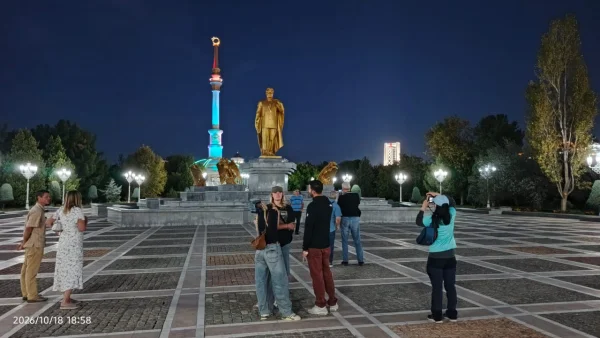
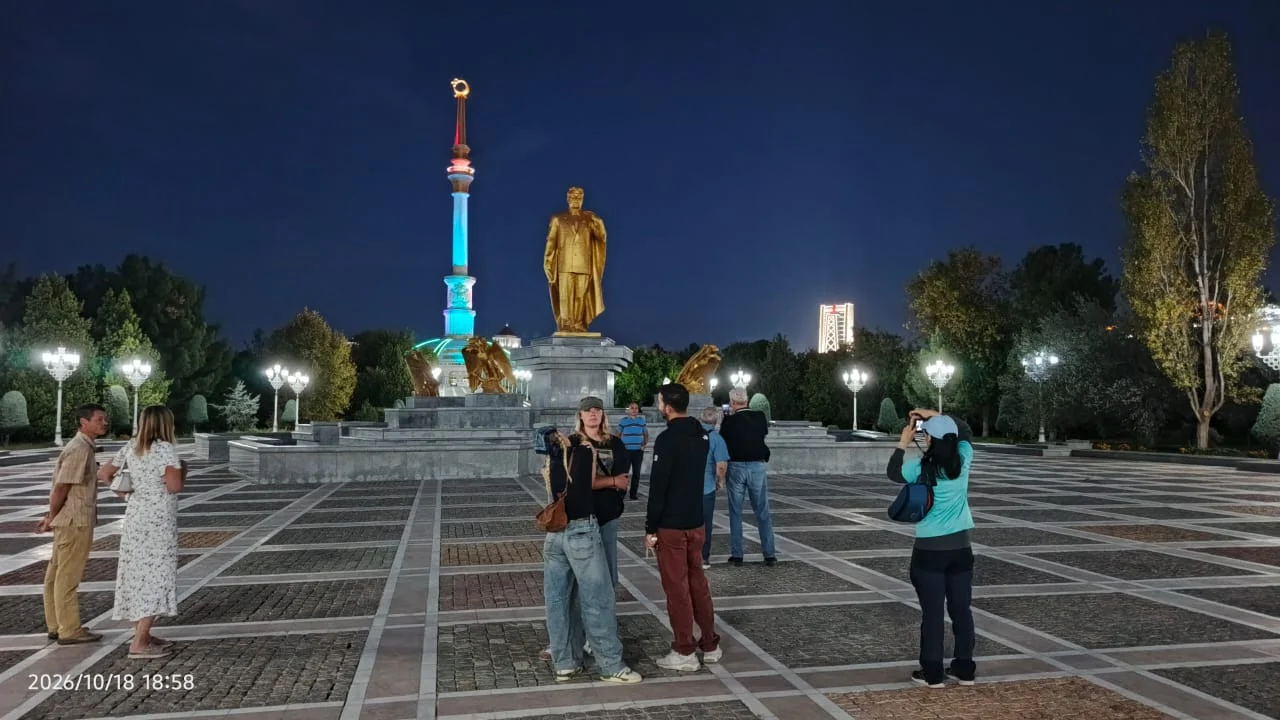
A museum visit pairs perfectly with other sights in the southern part of Ashgabat. After touring the museum, you can easily continue to the Nisa Fortress (a 15-minute drive away), the Independence Monument, or the Arch of Neutrality.
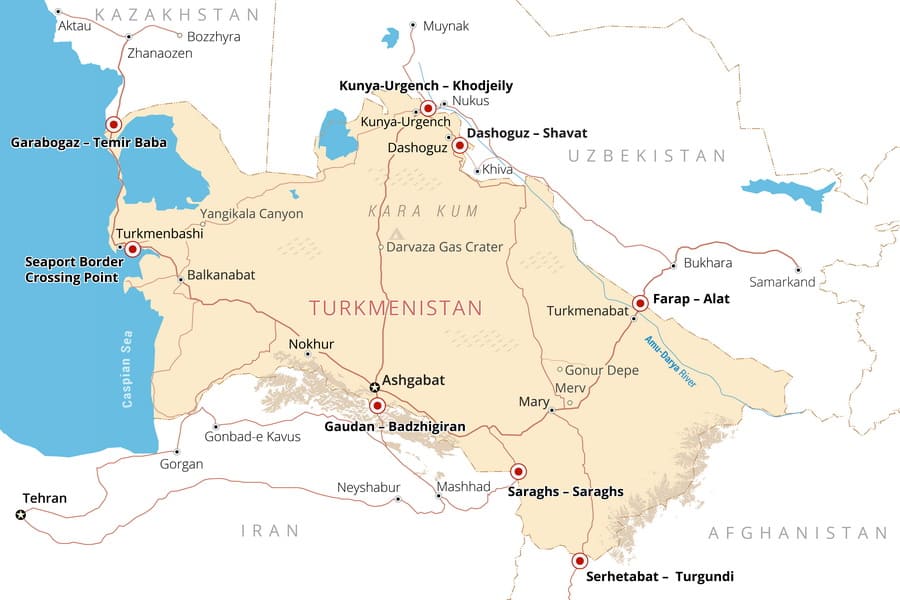
If you are planning an extensive journey across the entire country from north to south or west to east, the museum serves as the ideal starting point. You can compare the museum's historical artifacts with real architectural monuments by reading our guide to the monuments of Kunya-Urgench.
For those looking to experience all of the country's highlights within a single seamless journey, the optimal choice is our 5-day Turkmenistan highlights transit tour from Khiva to Bukhara, which includes an Ashgabat city tour along with visits to all key historical locations.
Conclusion
The State Museum of Turkmenistan is not merely a repository of antiquities, but a true treasure chest of human civilization. From delicate Parthian rhytons to dazzling Turkmen tribal silver, every hall unveils a new chapter of the nation's profound heritage. Plan your visit to this magnificent museum with TmTourism to make your Central Asian adventure truly enriching, seamless, and unforgettable!