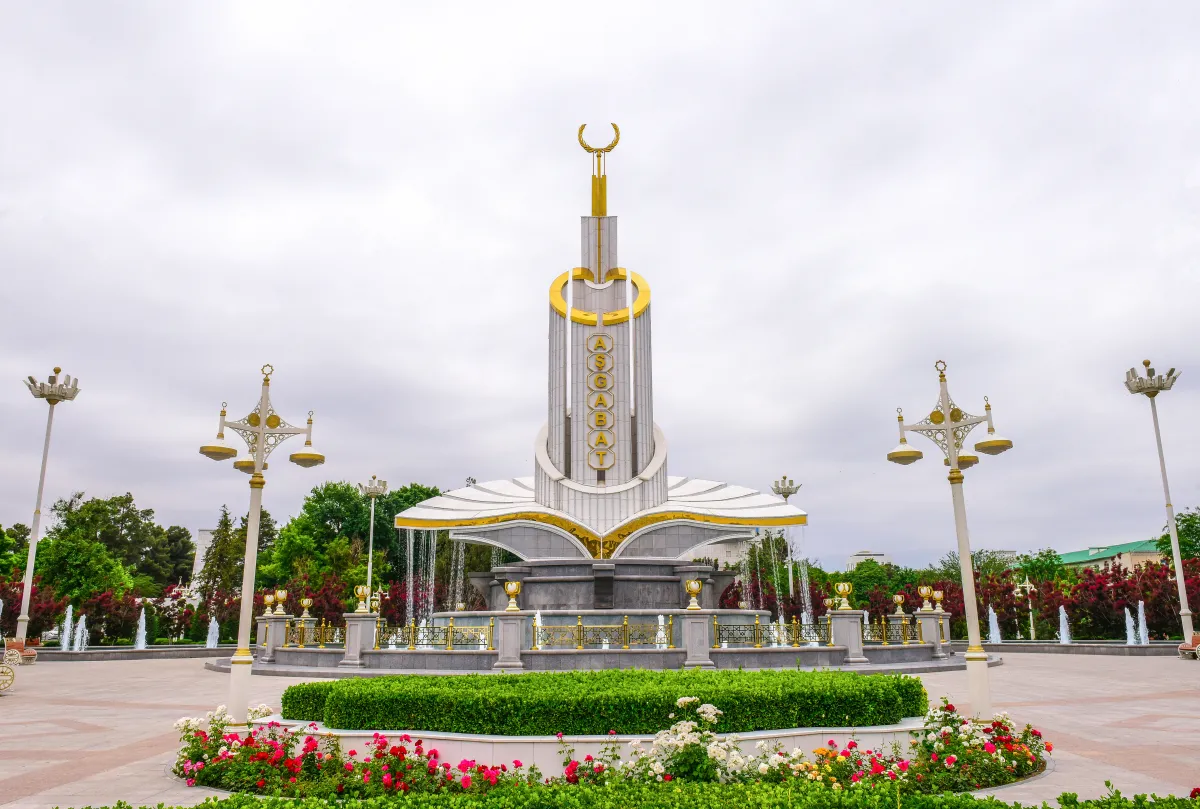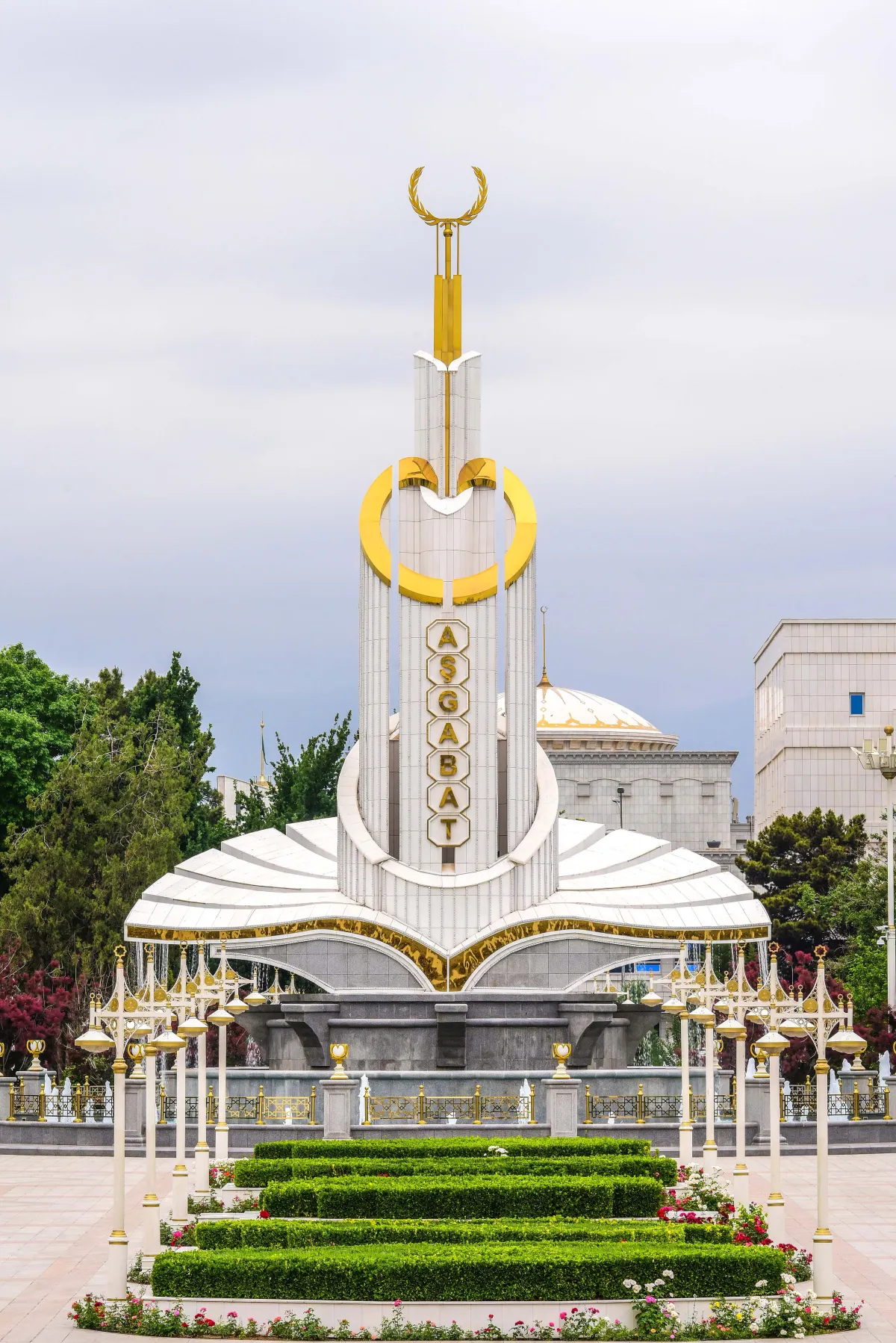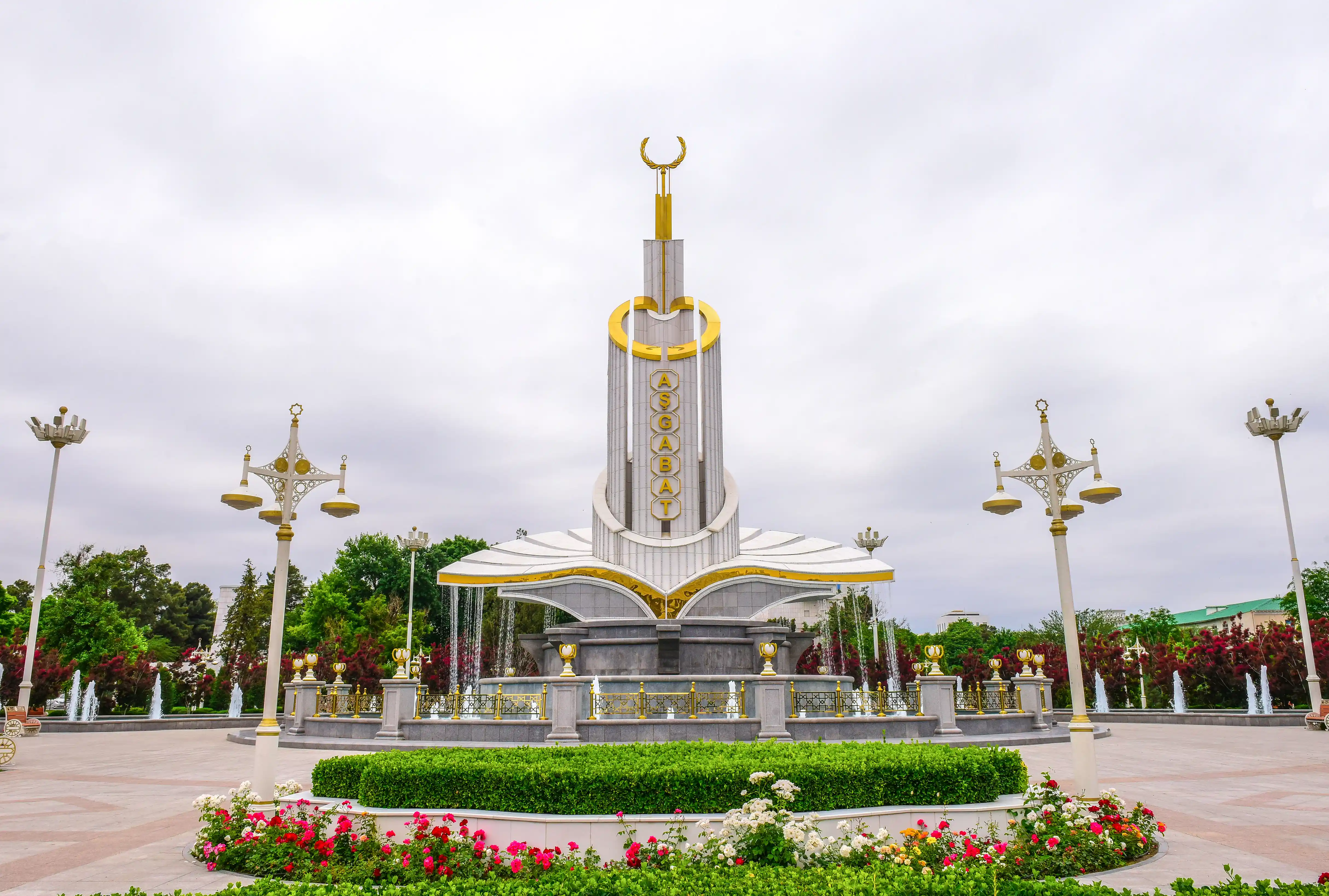
R ising like a dazzling oasis of white marble and gold in the middle of the Karakum Desert, Ashgabat is one of the most unusual, surreal, and visually striking capitals in the world. Known as the "city of white marble," the Turkmen capital holds a Guinness World Record for the highest concentration of white marble-clad buildings. Yet, behind the futuristic skyline and meticulously manicured boulevards lies a city deeply rooted in history, the heritage of the Great Silk Road, and nomadic traditions. Whether you are a cultural historian, an architecture lover, or an adventure seeker, this complete guide to Ashgabat will provide you with everything you need to explore this fascinating Central Asian capital.
Historical Context: From Oasis to Marble Metropolis
To truly appreciate Ashgabat, you must understand its dramatic history. The city is relatively young compared to ancient Silk Road hubs like Merv or Kunya-Urgench, but its story is one of resilience, transformation, and rapid modernization.
The Early Days and the Russian Empire
The name Ashgabat roughly translates to "city of love" (from the Persian Eshg—love, and Abad—built city). It emerged as a small settlement in the early 19th century, located in a fertile oasis at the foot of the Kopet Dag Mountains. In 1881, following the Battle of Geok-Tepe, the Russian Empire established a military fort here. The city grew rapidly thanks to its strategic location near the Persian border and its connection to the Trans-Caspian Railway, attracting traders, artisans, and people of various nationalities from across the empire.
The Tragic 1948 Earthquake
A turning point in Ashgabat's modern history came on the night of October 6, 1948. A catastrophic 7.3-magnitude earthquake destroyed the city, turning almost all brick buildings into rubble in seconds. An estimated 70,000 to 110,000 people perished—up to two-thirds of the city's population at the time. The tragedy was so severe that Soviet authorities kept the details secret for decades. A new city was designed on the ruins in the Soviet style, characterized by wide symmetrical street grids, low-rise concrete structures designed to withstand seismic tremors, and grand plazas.
Independence and the "Marble Revolution"
With the collapse of the Soviet Union in 1991, Turkmenistan declared independence. Under the leadership of its first president, Saparmurat Niyazov (known as Turkmenbashi), the city began an unprecedented architectural transformation. Niyazov envisioned a capital that would reflect the sovereign wealth, power, and historical identity of the Turkmen people. He mandated that all new major public and residential buildings be constructed using pristine white Italian marble.
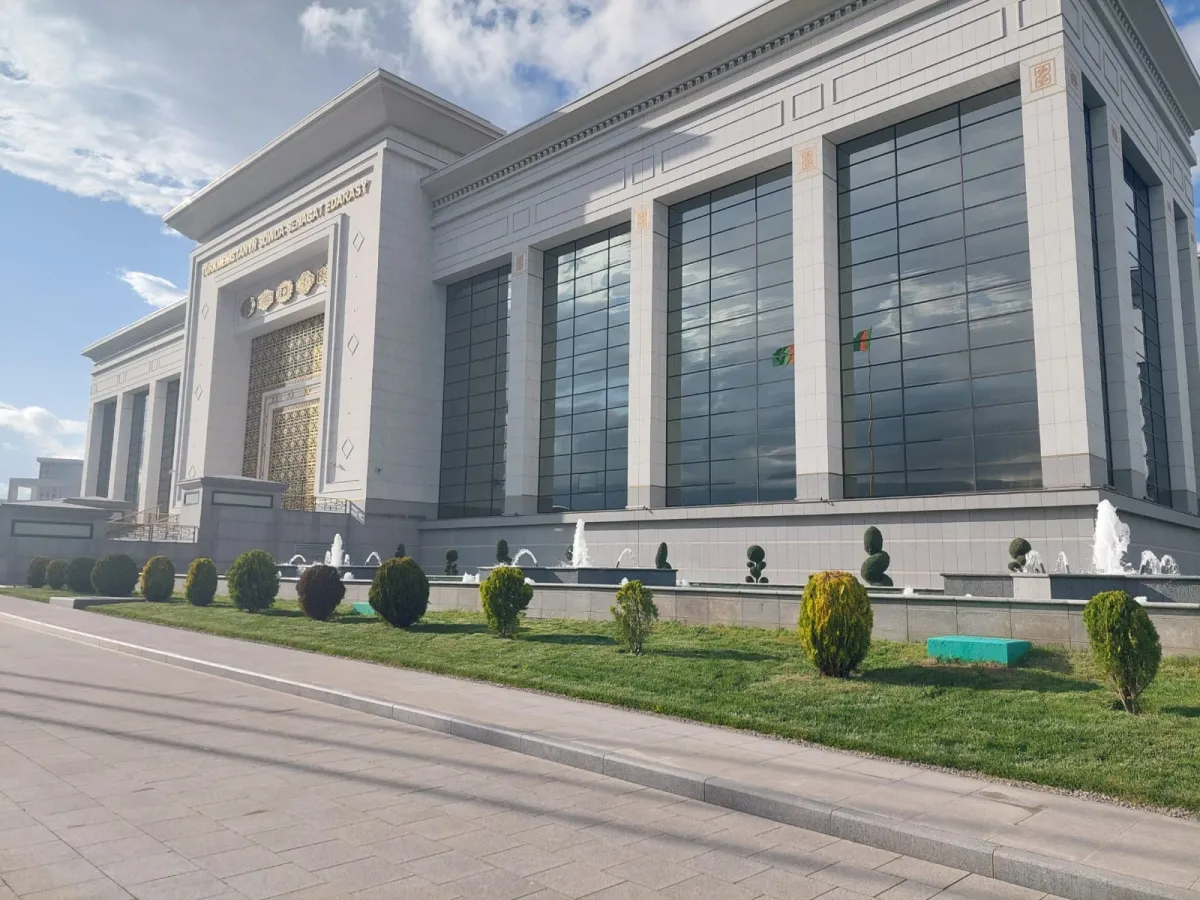
This architectural philosophy was expanded under his successor, President Gurbanguly Berdimuhamedov. Today, Ashgabat features more than 500 high-rise buildings clad in over 4.5 million square meters of white marble, creating a sci-fi, futuristic aesthetic that contrasts beautifully with massive gold-domed monuments, lush green parks, and high-tech fountains.
Major Architectural Landmarks and Monuments
Walking through Ashgabat can feel like a tour through an open-air museum of monumental architecture. The city's landmarks are grand, symbolic, and unlike anything else on Earth. Here are the must-see sites to include in your itinerary.
1. The Neutrality Arch
Arguably the most famous monument in the city, the Neutrality Arch is a 95-meter, three-legged tower celebrating Turkmenistan's official status of permanent neutrality, recognized by the United Nations in 1995. Atop the monument stands a 12-meter golden statue of President Saparmurat Niyazov. Historically, the statue rotated 360 degrees every 24 hours to always face the sun. Although the monument was moved from the central square to the southern suburbs in 2011 and no longer rotates, it remains a captivating symbol of Turkmenistan's modern history. Visitors can take an elevator to the observation deck for panoramic views of the city and the Kopet Dag Mountains.
2. The Independence Monument
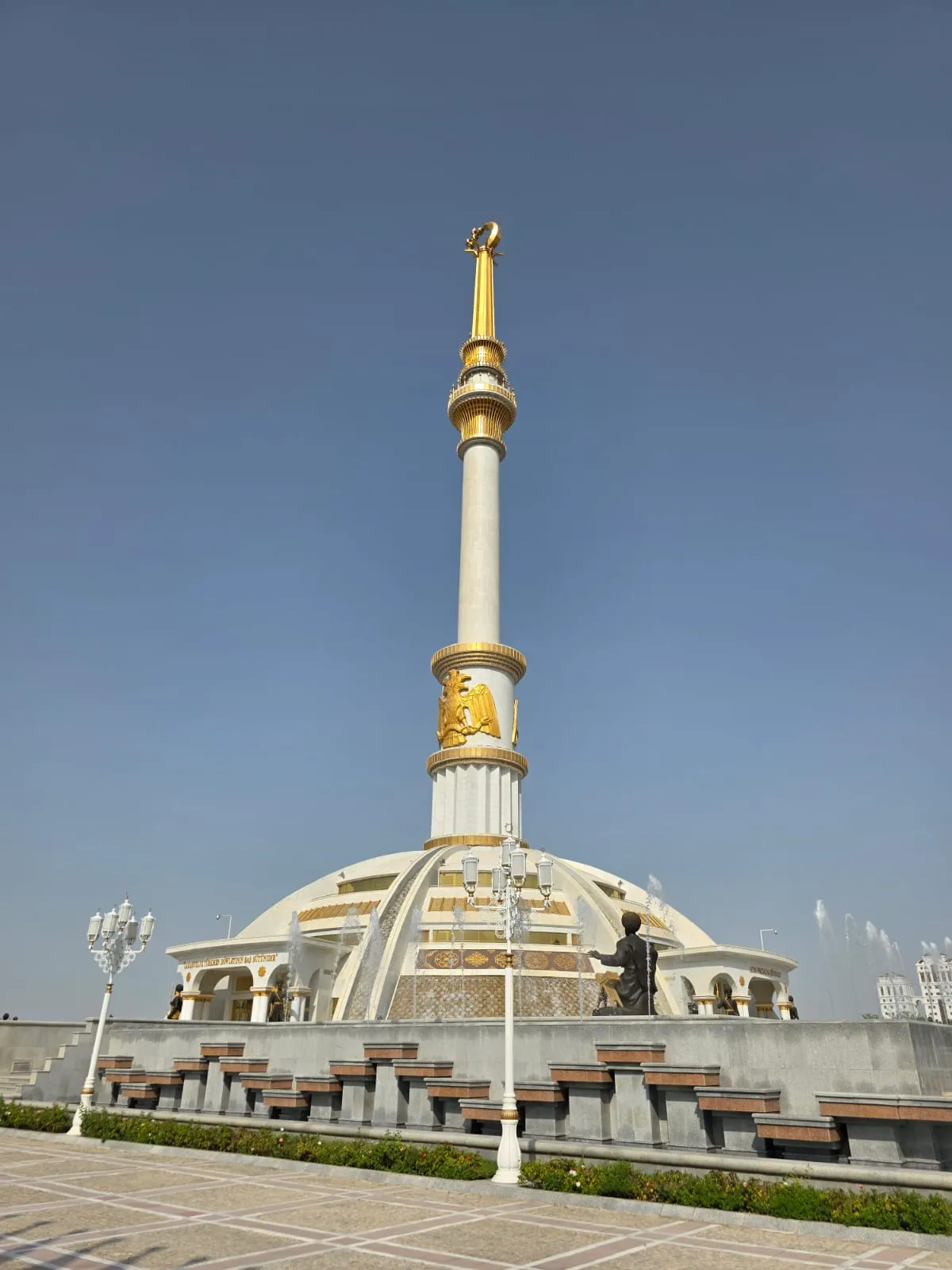
Set in a vast, beautifully landscaped park with fountains and manicured hedges, the Independence Monument is a striking structure resembling a traditional Turkmen yurt, topped by a tall spire with a golden tip. The monument's height (118 meters) commemorates the date of Turkmenistan's independence (October 27, 1991, which was celebrated on the 27th day of the 10th month). Surrounding the monument are dozens of bronze statues of great Turkmen rulers, heroes, poets, and scientists, making it an excellent spot for learning about national folklore.
3. The "Bagt Koshgi" Wedding Palace
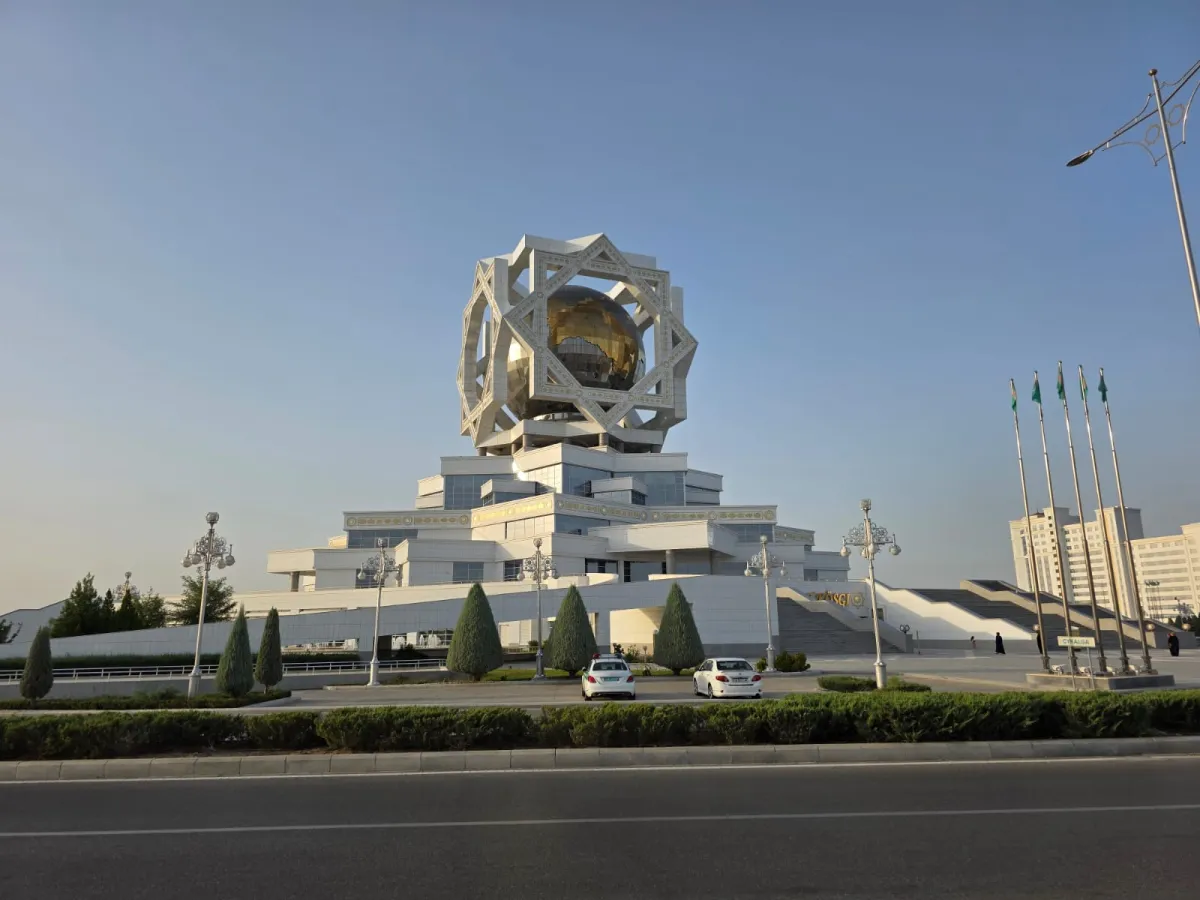
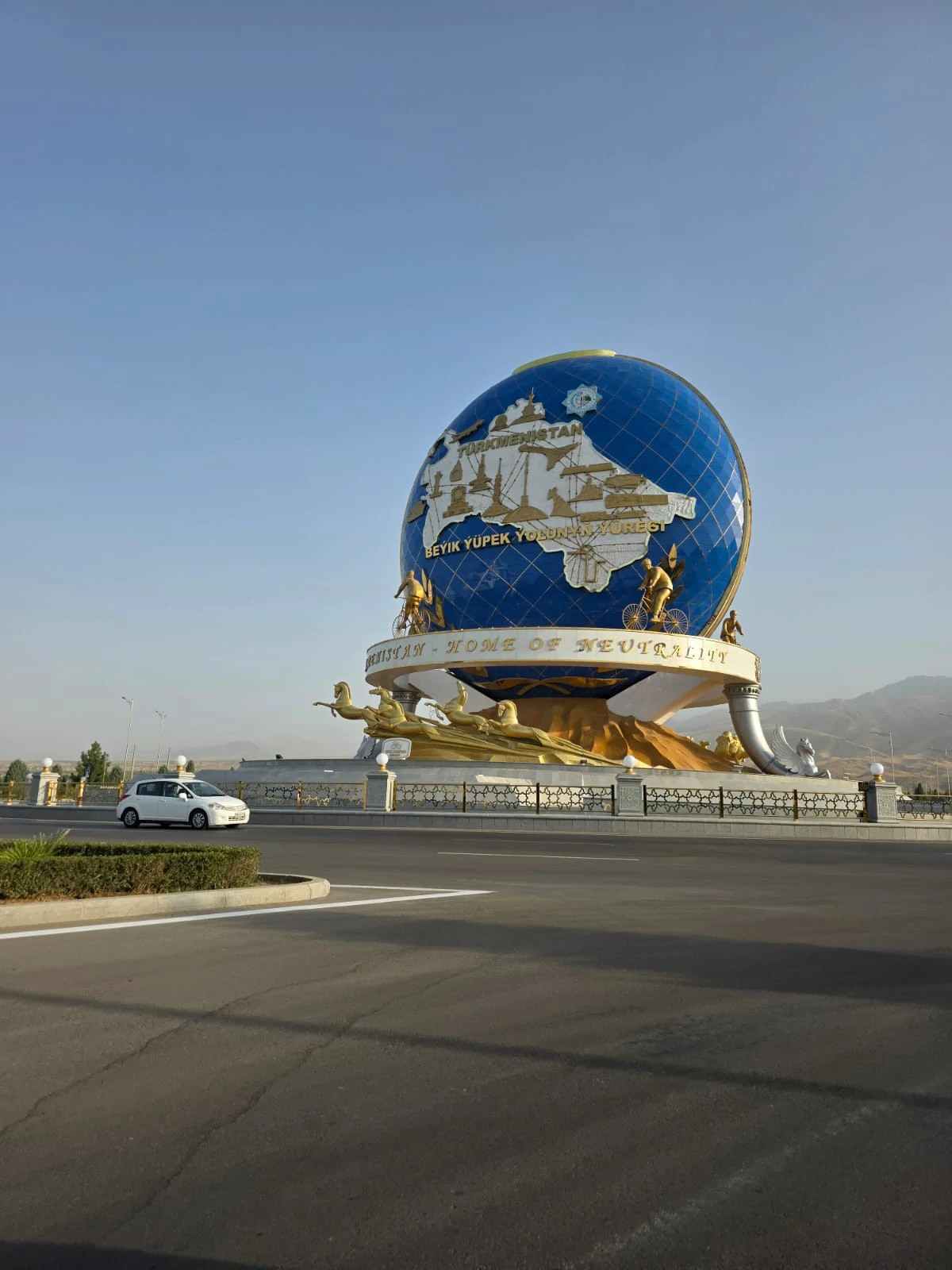
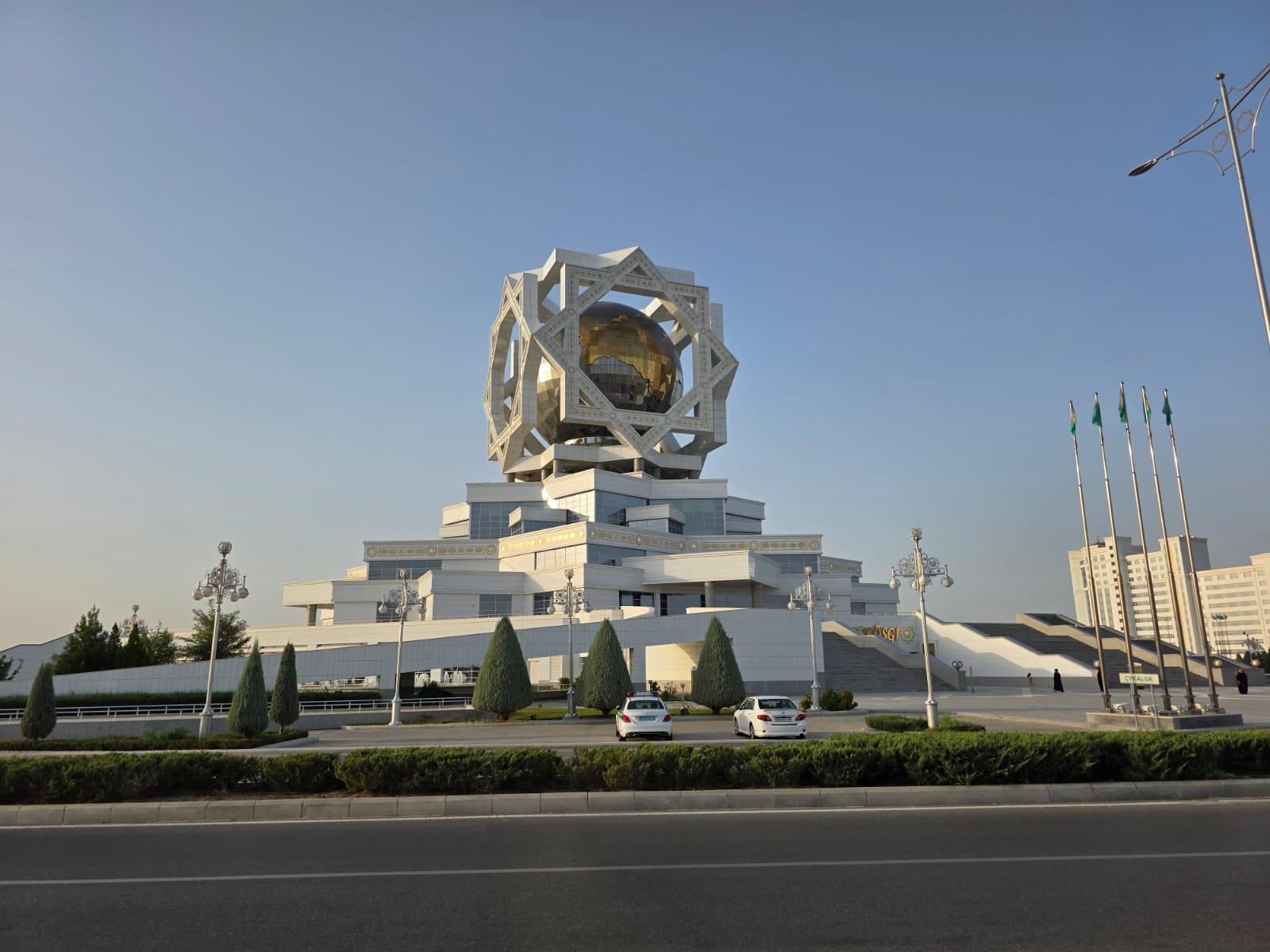
Rising on a hill overlooking the city, the Wedding Palace is a prominent geometric masterpiece. The building is an 11-story structure in the shape of a three-dimensional eight-pointed star (the star of Oguz Khan, a central symbol of Turkmen culture) that encases a massive golden sphere with a map of Turkmenistan. This is where local couples register marriages and celebrate weddings. At night, the building is illuminated by alternating neon colors, creating a spectacular sight.
4. The "Halk Hakydasy" Memorial Complex (People's Memory)
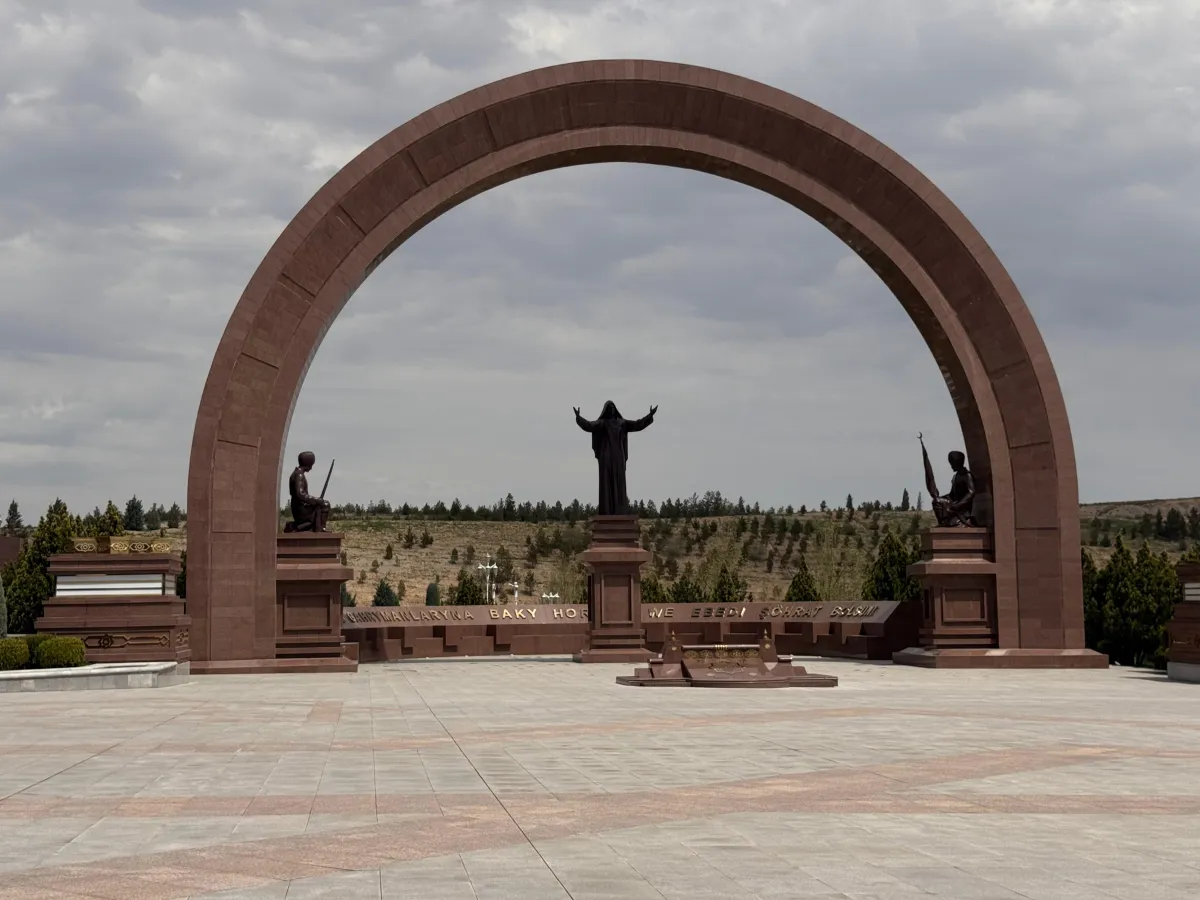
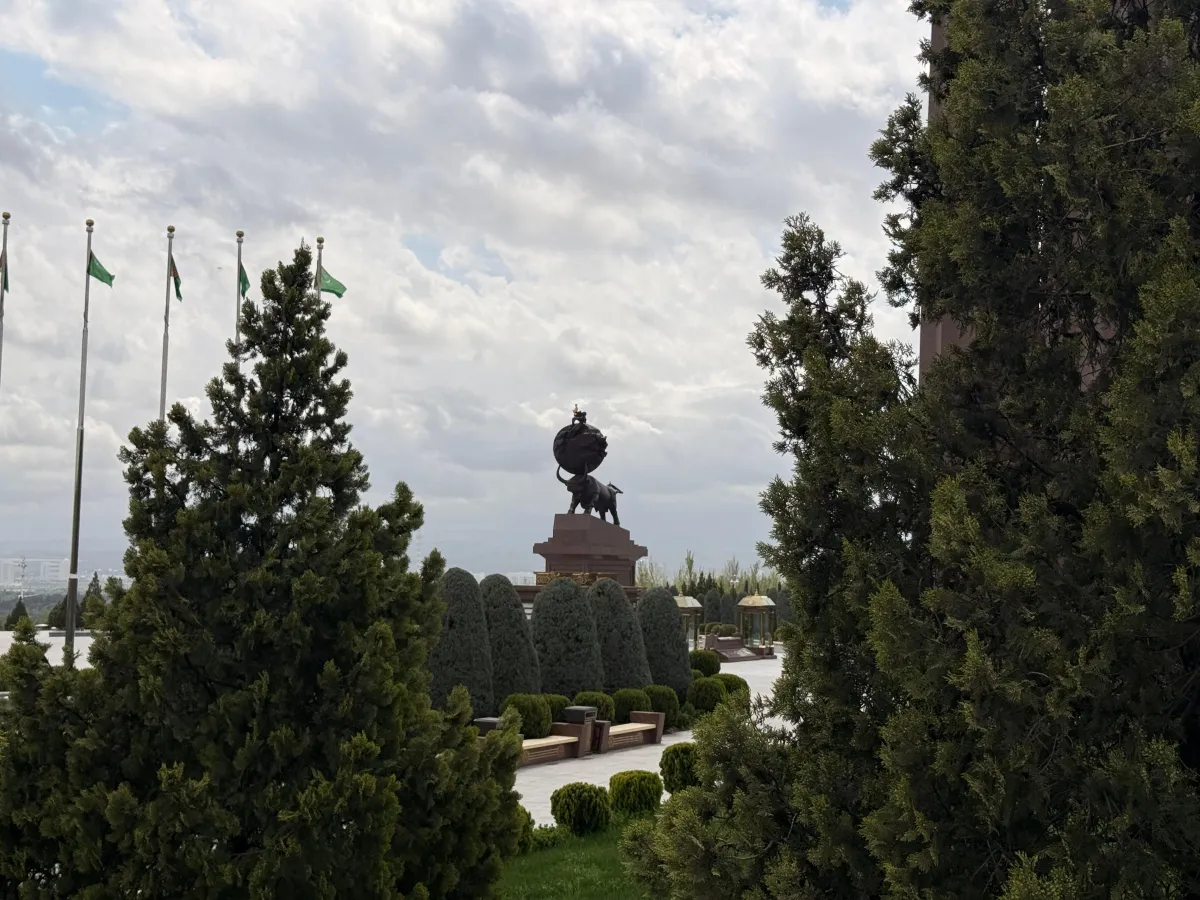
This solemn and deeply moving memorial complex honors those who died during the 1948 earthquake, the Battle of Geok-Tepe, and the Second World War. The central monument, called Rukhy Tagzym (Spiritual Worship), features a massive bronze sculpture of a colossal bull supporting a fractured Earth, with a golden child on top—a symbol of the nation's rebirth from the earthquake's ruins. The complex also houses a museum dedicated to historical events and the city's reconstruction.
5. The "Alem" Cultural and Entertainment Center
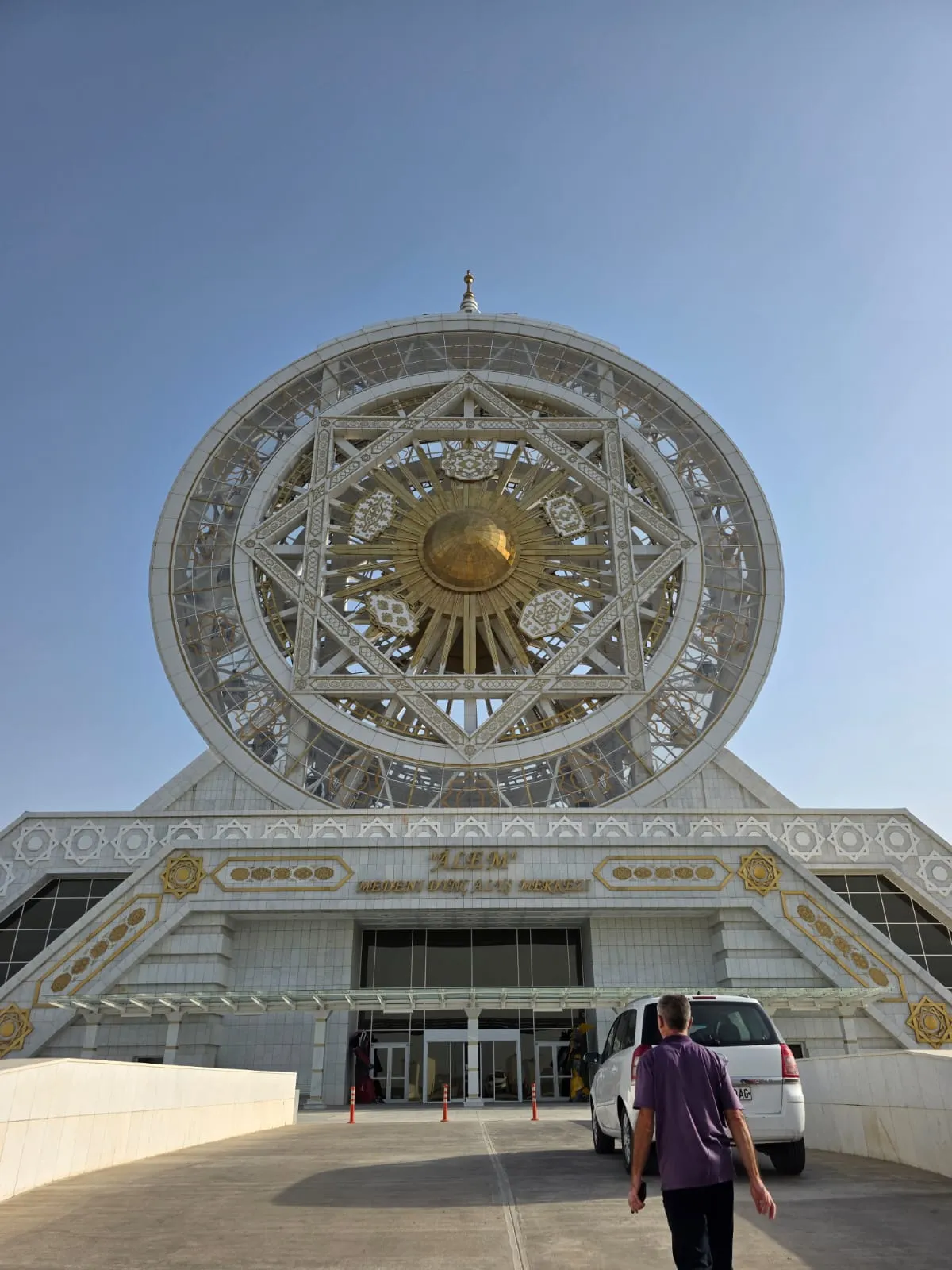
The "Alem" center entered the Guinness World Records in 2012 as the home of the world's largest indoor Ferris wheel. Standing 47.6 meters tall, the wheel is completely enclosed in a massive circular frame of gold and glass, decorated with intricate geometric patterns. The lower levels of the complex house a family entertainment center, a bowling alley, and cafes, making it a popular leisure destination for local families.
6. The Turkmenbashi Ruhy Mosque (Gypjak Mosque)
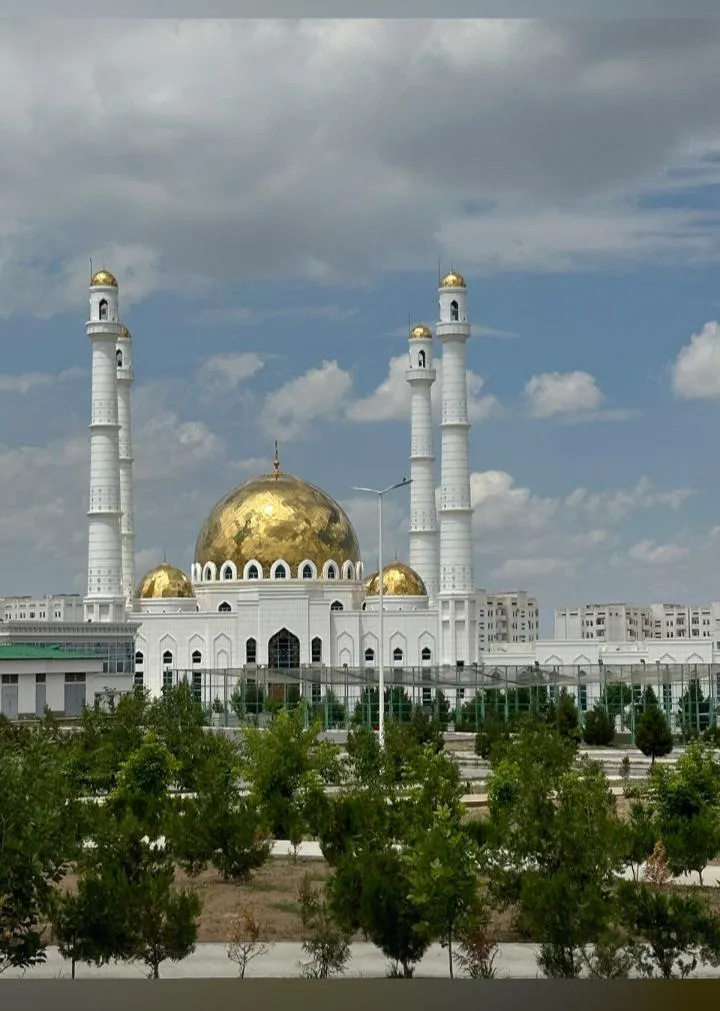
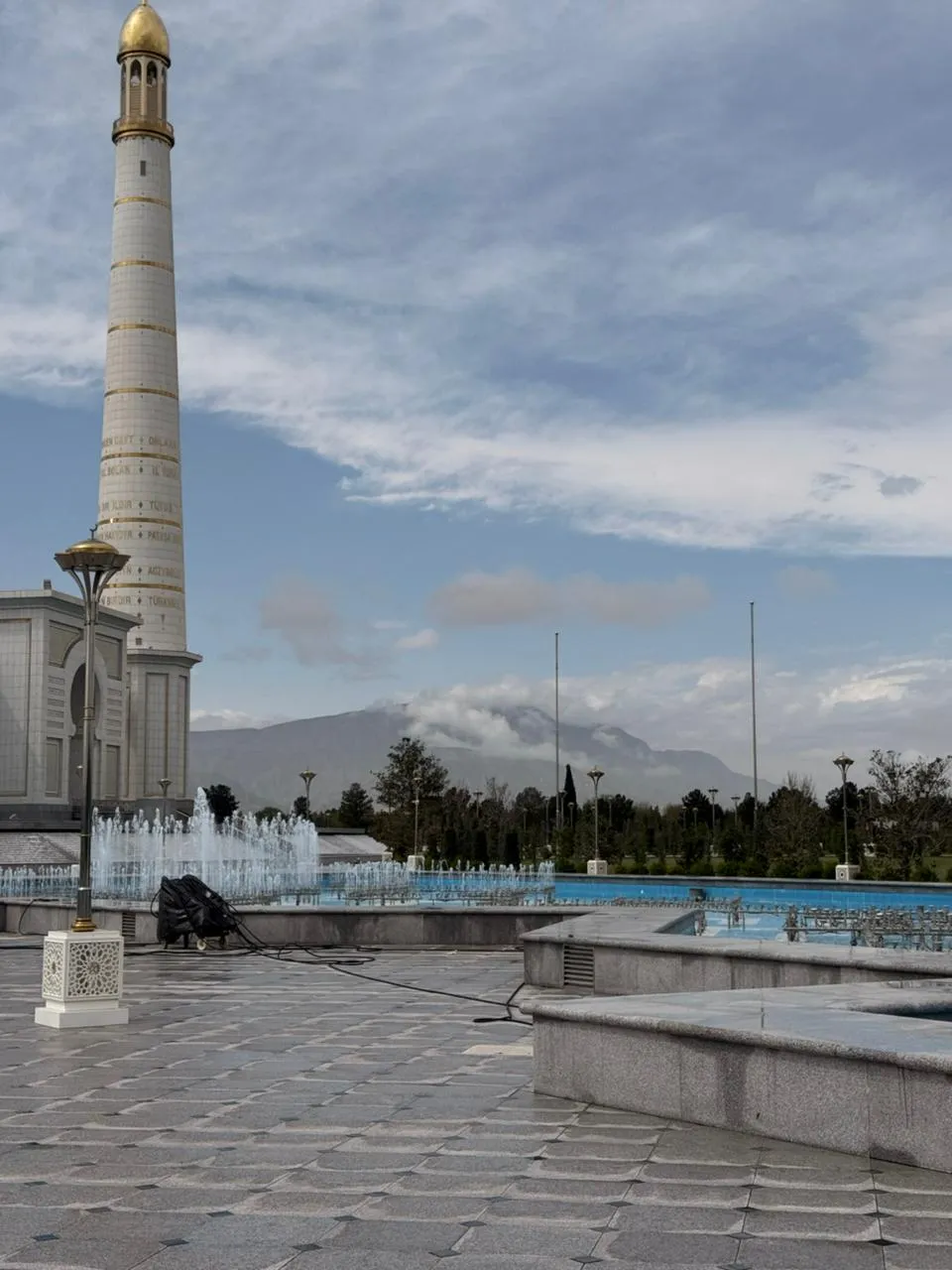
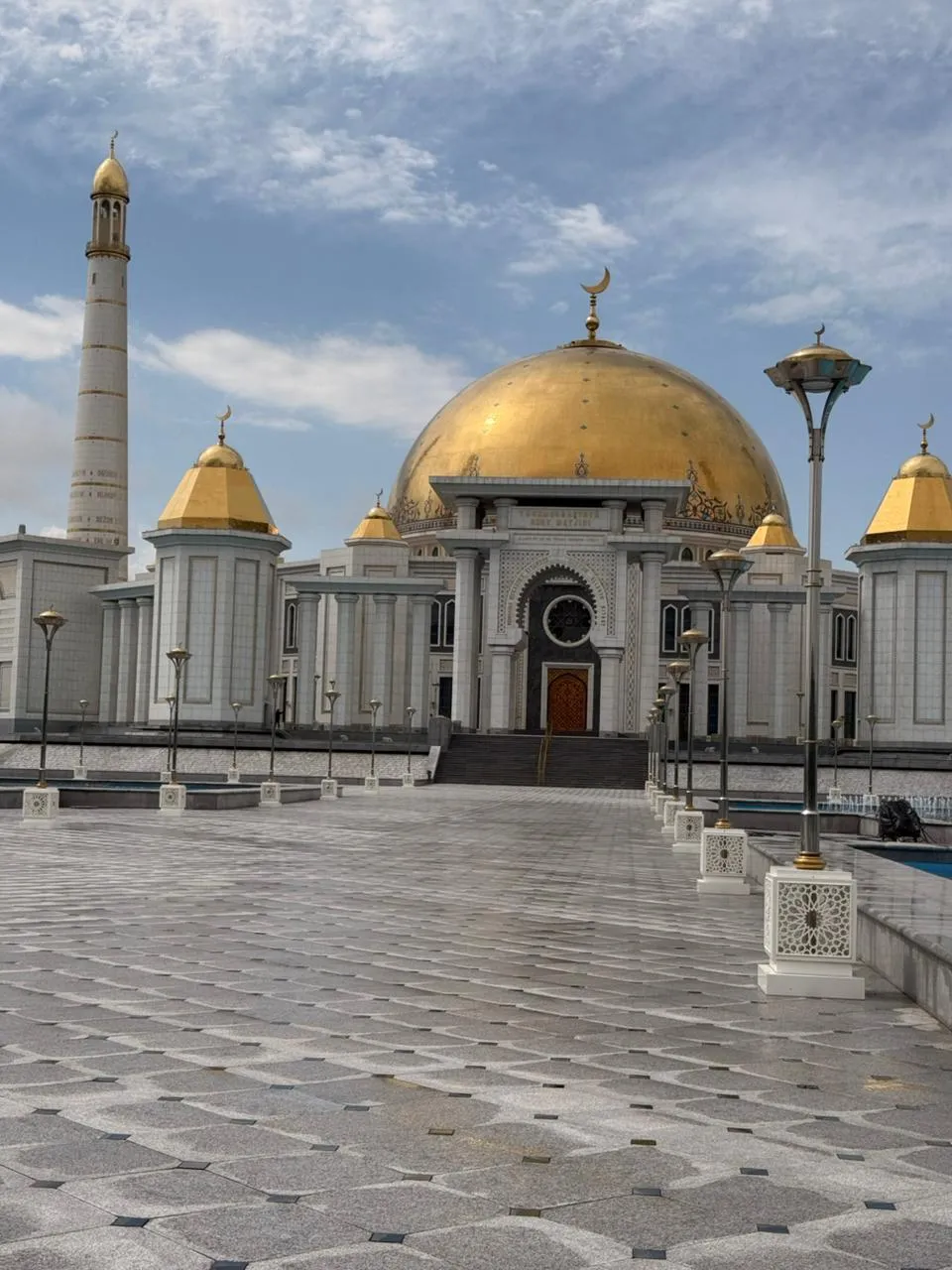
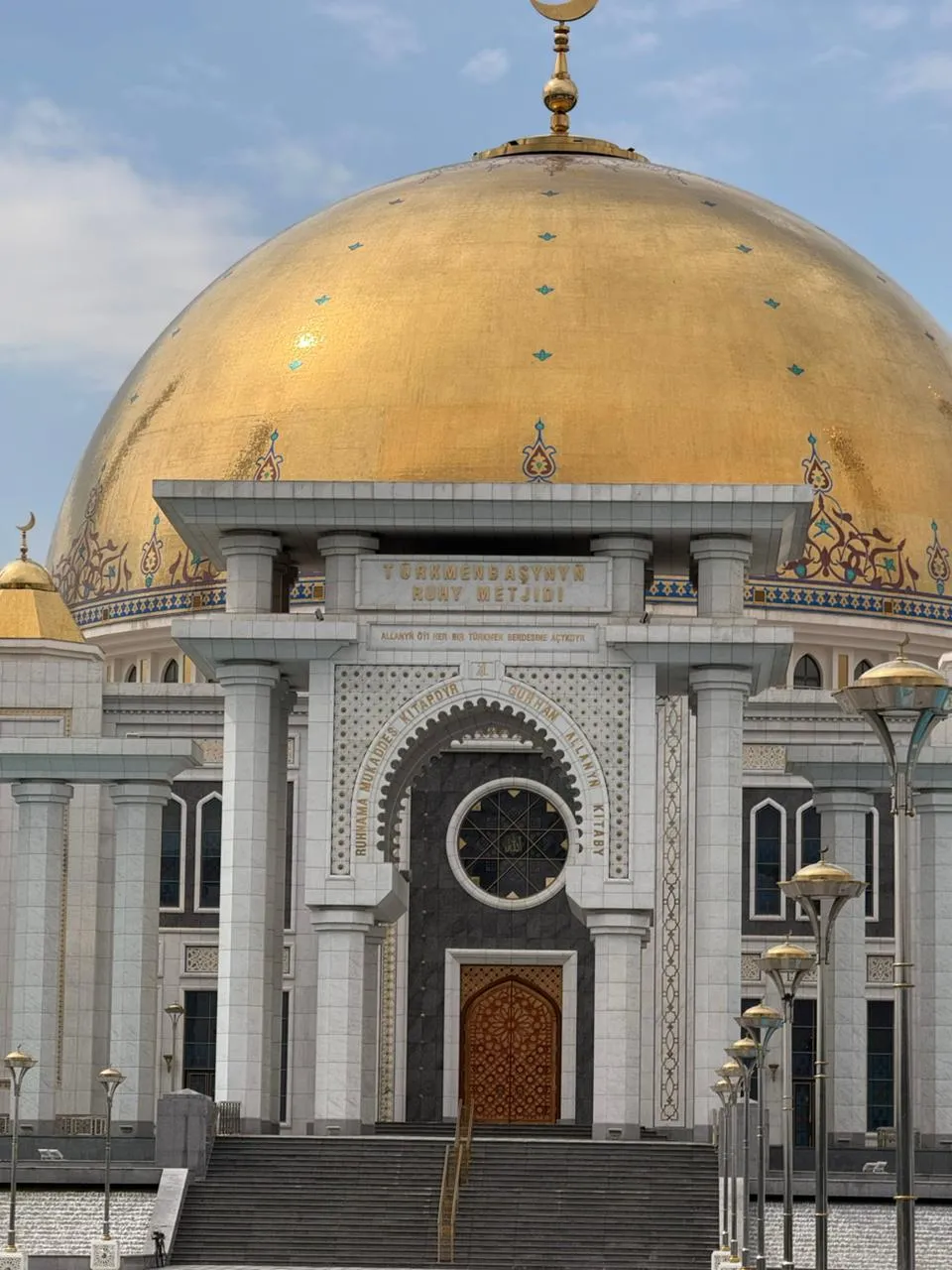
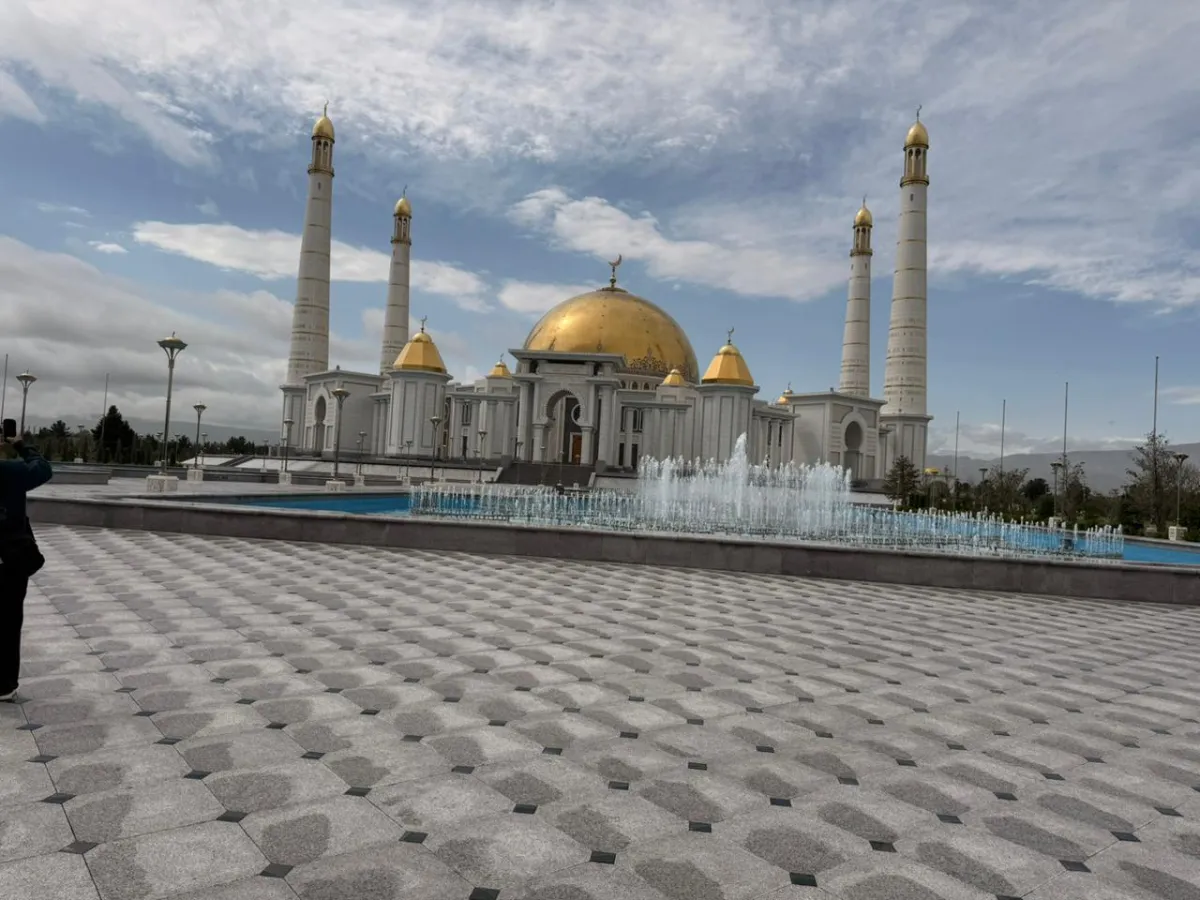
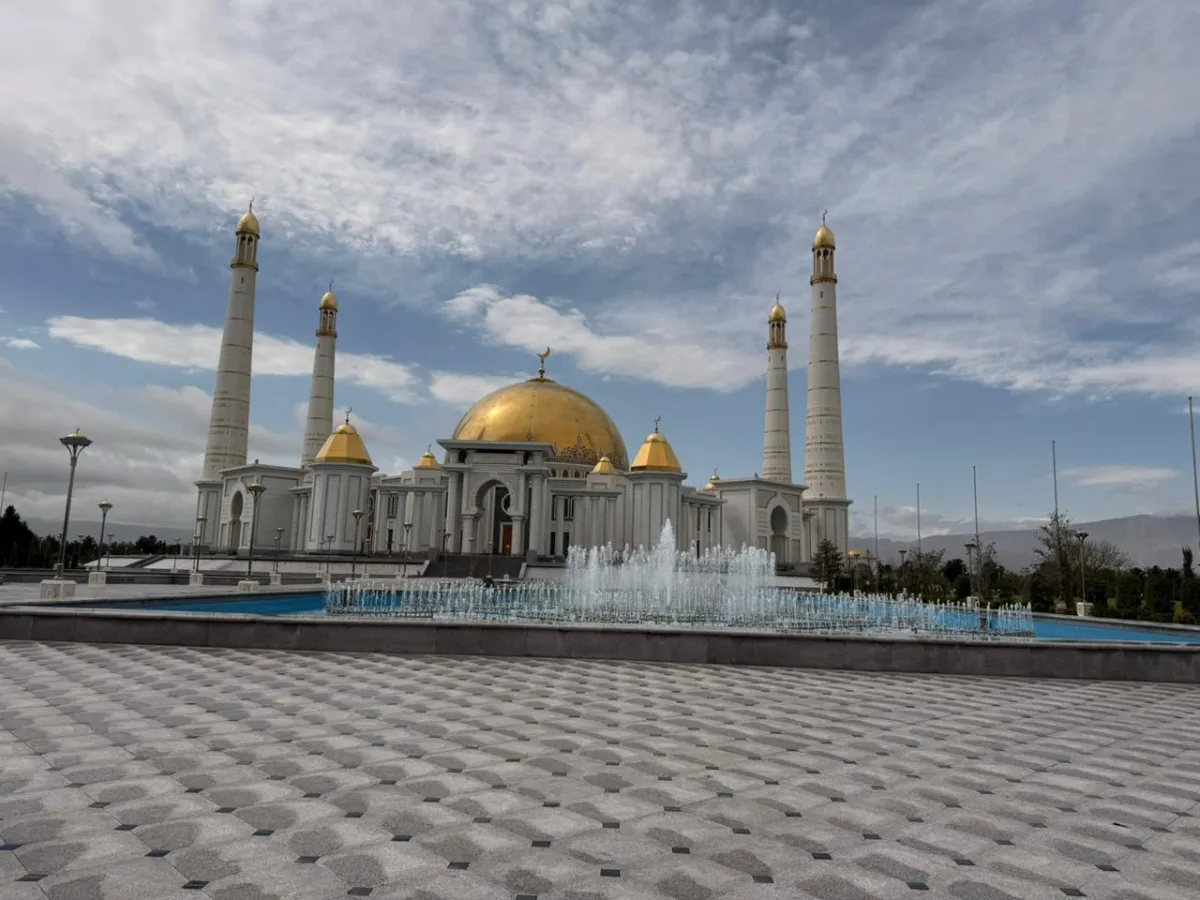
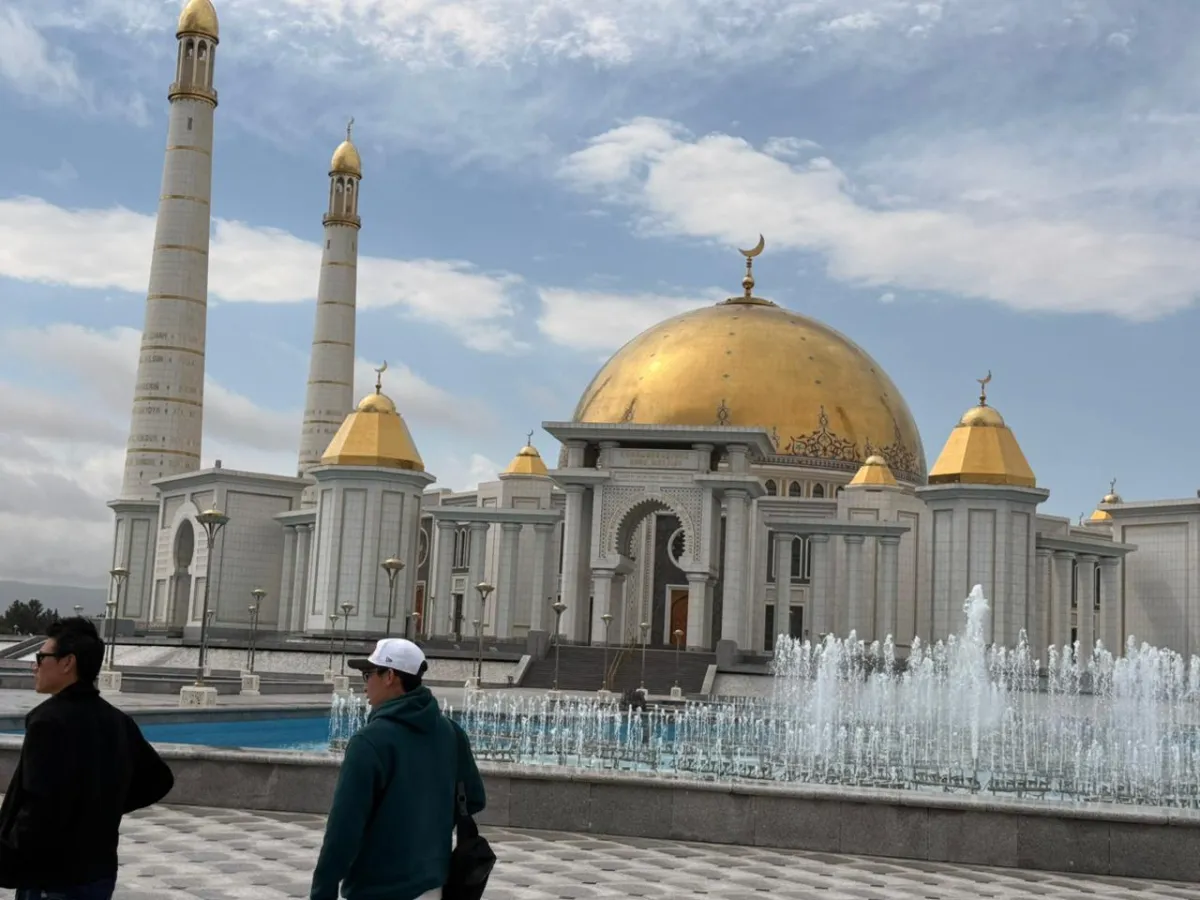
Located just outside the city limits in the village of Gypjak (the birthplace of Saparmurat Niyazov), this is the largest mosque in Central Asia. Built entirely of white marble, it features a massive gold dome and four soaring 91-meter minarets. Inside, the grand hall can accommodate up to 10,000 worshipers. Uniquely, the walls of the mosque are inscribed with surahs from the Holy Quran and sayings from the Ruhnama (Book of the Soul)—a moral guide written by Niyazov. Directly next to the mosque is the family mausoleum of the first president.
7. The Ertuğrul Gazi Mosque
For a complete contrast in architectural styles, visit the Ertuğrul Gazi Mosque in the heart of Ashgabat. Built as a gift from the Turkish government in the late 1990s, this stunning mosque is designed in the classic Ottoman style, much like the Blue Mosque in Istanbul. With its graceful domes, pencil-thin minarets, and intricate hand-crafted interior calligraphy, it stands as a peaceful monument to spiritual beauty and bilateral friendship.
Museums and Cultural Institutions
Ashgabat is the cultural heart of the country, preserving centuries-old nomadic traditions, folk art, and regional history.
State Museum of the State Cultural Center
This is the largest and most comprehensive museum in Turkmenistan. It is divided into three main departments: history, nature and ethnography, and presidential gifts. The history department features an outstanding collection of artifacts found at ancient archaeological sites across the country, including the Parthian capital of Nisa, the medieval city of Merv, and Bronze Age settlements. Among the main exhibits are the famous ivory rhytons (drinking vessels) found in Nisa, which demonstrate the incredible craftsmanship of the Hellenistic-Parthian era.
Turkmen Carpet Museum
Carpet weaving in Turkmenistan is not just an industry; it is a sacred art form, so central to the national identity that carpet patterns are featured on the country's national flag. The Turkmen Carpet Museum houses an exceptional collection of antique handmade carpets representing various Turkmen tribes (Teke, Yomud, Ersari, Salor, and Saryk). The museum also displays the world's largest handmade carpet—a giant masterpiece covering 301 square meters and weighing over a ton, commissioned in honor of the country's independence.
How to Reach Ashgabat and Get Around
Due to Turkmenistan's unique visa regulations and geographical location, traveling to Ashgabat requires careful planning. Here is what you need to know to make your trip comfortable.
Arriving by Air: Ashgabat International Airport (ASB)
Most international travelers arrive via Ashgabat International Airport. The airport itself is an architectural wonder: built in 2016 at a cost of $2.3 billion, the main terminal is shaped like a giant flying falcon with spread wings—another record-breaking design recognized worldwide. The national carrier, Turkmenistan Airlines, operates flights to major hubs such as Istanbul, Frankfurt, Dubai, Moscow, and Beijing. Other international airlines, such as Turkish Airlines and flydubai, also operate regular flights to the capital.
Visas and Entry Requirements
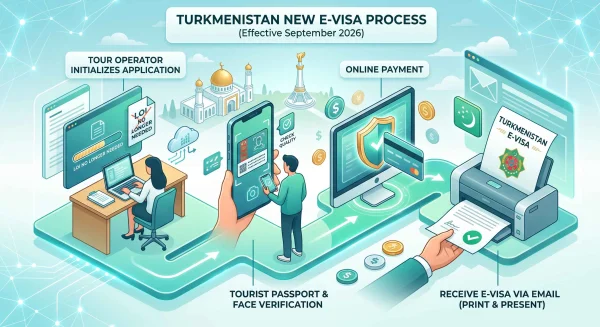
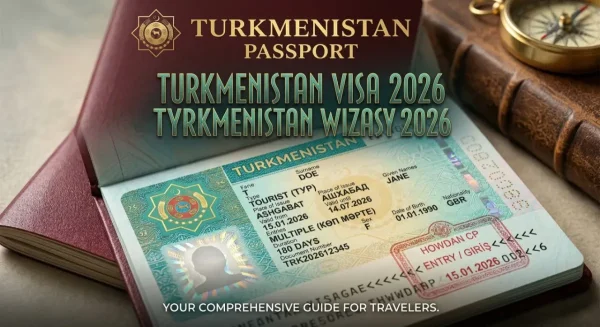
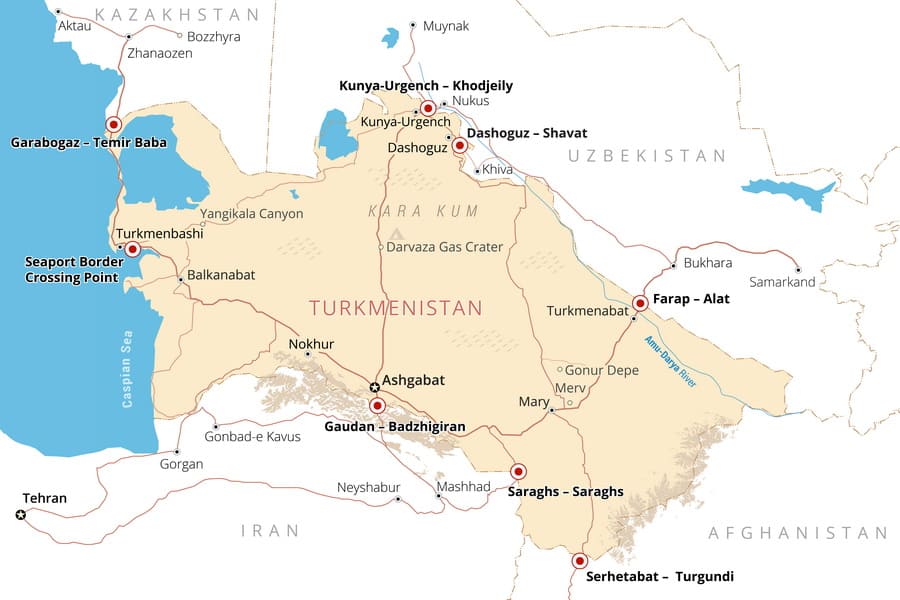
Almost all foreign citizens require a visa to enter Turkmenistan. To obtain a tourist visa, you must first obtain a Letter of Invitation (LOI) approved by the State Migration Service of Turkmenistan. This is usually organized through a licensed Turkmen travel agency as part of a pre-booked tour. Once you have the invitation, you can apply for a visa at a Turkmenistan embassy or obtain one upon arrival at Ashgabat International Airport or at land border points.
Getting Around the City
Getting around Ashgabat is convenient, although you should be aware of some local customs:
- Licensed and unlicensed taxis: Official taxis are painted yellow or white. However, local drivers often operate as informal taxis. Simply stand on the side of the road and wave your hand down; a car will usually stop. Always agree on the price (in Turkmen manats) before getting in.
- The white car rule: You will notice that almost every passenger car in Ashgabat is white or silver. The government banned dark-colored vehicles in the capital in 2018 to maintain a uniform city aesthetic. Additionally, cars must be kept in pristine cleanliness; you can be fined for driving a dirty car in the capital.
- Public buses: Ashgabat has an excellent, modern, and incredibly cheap public transport network. The buses are air-conditioned, clean, and follow strictly timed routes. The bus stops themselves are unique architectural objects, often equipped with air conditioning, TVs, and comfortable seating.
Best Time to Visit
Ashgabat is located in a continental desert zone, which means significant temperature fluctuations throughout the year. Choosing the right time to visit will significantly enhance your experience.
Spring (March — May) — The Ideal Time
Spring is considered the best time to visit Ashgabat. During these months, the temperature is pleasant and mild, ranging from 15°C to 25°C. The surrounding desert and mountain foothills briefly turn green and bloom with wildflowers. This is also the season of Navruz (Persian New Year) in late March, which is celebrated with massive public festivities, traditional dances, and street food stalls.
Autumn (September — November) — Great Weather and Harvest
Autumn is another great time to travel. The grueling summer heat subsides, giving way to warm, sunny days and cool evenings. This is also the harvest season, so local markets are overflowing with fresh, delicious fruit, especially the legendary sweet melons, to which a separate national holiday is dedicated.
Summer (June — August) — Extreme Heat
Summer in Ashgabat is very hot, with temperatures regularly climbing above 40°C in the shade. Excursions in the middle of the day can be physically exhausting and are not recommended. If you do visit in the summer, plan your activities for early morning or late evening, when the city cools down slightly.
Winter (December — February) — Cold and Quiet
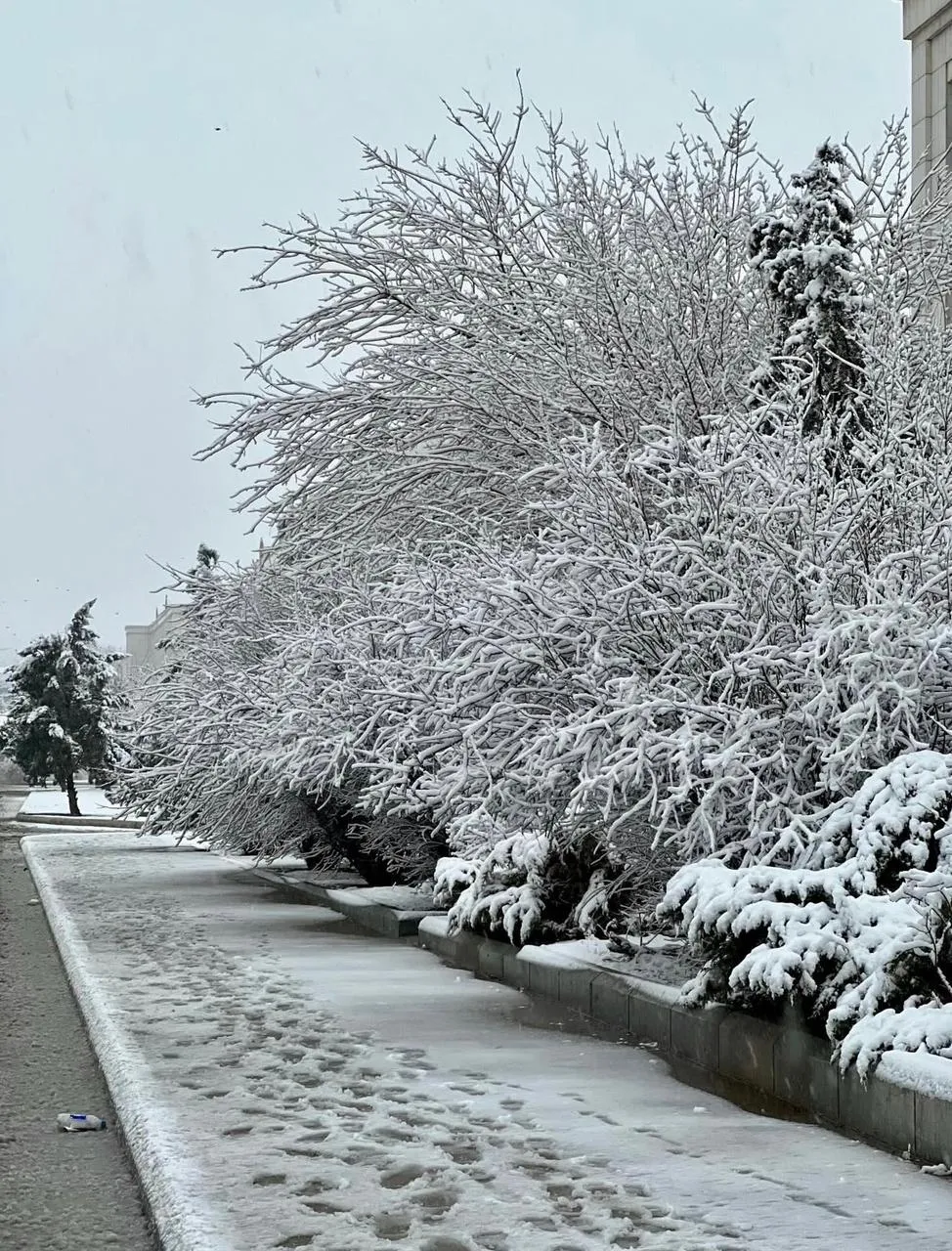
Winter is cold and dry, with average temperatures ranging from 0°C to 8°C. Although snow is rare, icy winds from the Siberian steppes can make the weather feel much colder. However, if you don't mind dressing warmly, a winter visit offers a unique experience—the opportunity to see white marble monuments dusted with snow, without the tourist crowds.
Accommodation Options: Where to Stay
Ashgabat offers a wide range of premium, luxury, and mid-range hotels, many of which are built with the same grand marble architecture as the rest of the city.
Luxury Accommodation
- Yyldyz Hotel: This iconic luxury hotel, shaped like a water droplet, rises proudly on the hills above Ashgabat. It offers five-star comfort, fine dining, a large spa center, indoor and outdoor pools, and arguably the best panoramic views of the city lit up at night.
- Oguzkent Hotel: Located in the central administrative district near key government ministries and landmarks, the Oguzkent features ultra-modern design, spacious rooms, excellent business services, and restaurants serving international and local cuisine.
- Archabil Hotel: This high-rise hotel, located along the modern high-tech Archabil Highway, caters to diplomats, business travelers, and premium tourists. It is surrounded by beautiful gardens and offers top-class amenities.
Mid-range and Budget Accommodation
- Ak Altyn Hotel: A reliable mid-range option with a classic, slightly retro style. It is located in the city center, making it easy to reach local landmarks, and offers comfortable conditions at a more affordable price than the luxury hotels.
- Grand Turkmen Hotel: Located right in the city center, near the Russian Bazaar and central squares, this hotel offers great convenience for travelers wishing to explore the city on foot. Its outdoor pool and lively lobby bar make it a popular meeting spot.
Gastronomy: Tasting Turkmenistan
The culinary landscape of Ashgabat is a delightful mix of Central Asian nomadic traditions, Russian influences, and modern international flavors. Traditional Turkmen food is hearty, comforting, and largely based on high-quality meat and fresh bread.
Traditional Dishes to Try
- Plov: The quintessential Central Asian rice dish, cooked in a large cast-iron pot (kazan) with tender pieces of lamb or beef, yellow carrots, onions, and aromatic spices.
- Ichlekli: A traditional Turkmen meat pie made from two layers of dough, filled with minced lamb, onions, and spices. It was traditionally baked in hot sand under embers, although modern versions are baked in clay ovens.
- Manty: Large steamed dumplings filled with spiced meat (usually lamb or beef) and pumpkin, served with sour cream or yogurt.
- Chorba: A rich, aromatic lamb soup cooked with large pieces of bone-in meat, potatoes, carrots, and fresh herbs.
- Chorek: Traditional Turkmen flatbread, baked in a clay oven (tandyr). It is served hot with almost every meal and is highly revered in Turkmen culture—never place chorek upside down or throw it away.
Best Places to Eat in the Capital
For an authentic local lunch, head to traditional restaurants like Merdana, which features beautifully decorated yurt-style booths, live traditional music, and an extensive menu of grilled meats and local delicacies. If you crave international flavors, malls like Berkarar offer modern food courts and trendy cafes serving Turkish, Italian, and Russian dishes.
Shopping and Markets: Bazaars vs. Modern Malls
Shopping in Ashgabat provides a glimpse into the everyday life of its residents. The city's retail opportunities range from hyper-modern multi-story shopping centers to bustling oriental markets with centuries of history.
Altyn Asyr Oriental Bazaar (Tolkuchka)
Located on the northern outskirts of the city, "Tolkuchka" is one of the largest and most famous open-air markets in Central Asia. Historically, it was an important trading point on the Great Silk Road, where nomads came to trade camels, sheep, and handmade goods. Today, it is a huge modern complex built in the shape of a traditional carpet ornament. The market is primarily open on Thursdays, Saturdays, and Sundays. You can find everything here: from majestic Turkmen carpets and traditional sheepskin hats (telpeks) to handmade silver jewelry, spices, household goods, and even livestock.
Russian Bazaar (Gulistan)
Located right in the heart of the city, the Russian Bazaar is a bustling indoor concrete market built in the 1970s. It is the perfect place to buy fresh fruit, dried fruit, local cheeses, freshly baked bread, and sweets. Friendly vendors often invite you to sample their wares, offering a warm and welcoming cultural exchange.
Berkarar Shopping Center
For a completely different experience, visit "Berkarar"—a luxury multi-story shopping and entertainment complex. It features international brand stores, a modern cinema, a bowling alley, children's amusement parks, and a lively food court on the top floor, showcasing the thriving modern lifestyle of young families in Ashgabat.
Essential Tips, Etiquette, and Practical Rules
To ensure a safe, respectful, and comfortable trip to Ashgabat, it is necessary to familiarize yourself with some unique local laws, customs, and rules.
1. Photography Restrictions
This is the most important rule for travelers. Photographing government buildings, military sites, police checkpoints, presidential palaces, airports, and train stations is strictly prohibited. If you are unsure whether you can photograph a certain building or monument, always ask your local guide first. There are many security guards and police throughout the city who will ask you to delete photos if you accidentally capture prohibited objects.
2. Money and Currency
The currency of Turkmenistan is the Turkmen manat (TMT). The economy is largely cash-based, and international credit cards (such as Visa and Mastercard) are rarely accepted anywhere outside of major international hotels. Foreign travelers should bring crisp, undamaged US dollar bills (issued after 2013, without folds, tears, or pen marks) to exchange for local currency. Your local guide will help you exchange money safely and legally.
3. Smoking Rules
Turkmenistan has some of the strictest anti-smoking laws in the world. Smoking in public places, parks, on the street, and indoors is completely banned. Smoking is allowed only in designated areas, usually clearly marked outside of hotels. The sale of tobacco products is highly restricted, and prices are very high.
4. Respect for Local Traditions
Turkmen culture is very hospitable, warm, and deeply respectful of elders. When visiting mosques or religious sites, dress modestly: shoulders and knees must be covered, and women must wear a headscarf. Always remove your shoes before entering a mosque or a traditional home.
Suggested Ashgabat Itineraries
Depending on the length of your stay, here are carefully curated itineraries designed to help you make the most of your time in the Turkmen capital.
1-Day Highlights Itinerary
- Morning: Start your day with a visit to the grand Ertuğrul Gazi Mosque, then stroll through the lush parks around the Independence Monument.
- Afternoon: Explore the rich historical exhibits at the State Museum of History to understand the country's past on the Great Silk Road.
- Late Afternoon: Visit the Neutrality Arch for stunning city views. Head to the central Russian Bazaar to sample local delicacies and buy souvenirs.
- Evening: Take a scenic evening drive to the "Bagt Koshgi" Wedding Palace to see the entire white marble capital brightly lit with neon and gold lights.
3-Day Comprehensive Exploration Itinerary
- Day 1: Modern Wonders. Focus on central monuments, including the Neutrality Arch, the Independence Monument, the Alem Ferris wheel, and an evening stroll through the illuminated Olympic Village.
- Day 2: Culture and History. Spend the morning immersed in ancient artifacts at the State Museum, then head to the Turkmen Carpet Museum. In the afternoon, head outside the city center to the monumental Gypjak Mosque and the neighboring presidential mausoleum.
- Day 3: Markets and Heritage. If it's a weekend, start your morning early at the bustling Tolkuchka Bazaar to experience traditional market bargaining. In the afternoon, take a short excursion to the ancient ruins of Nisa—a UNESCO World Heritage site located just 18 km west of the capital.
Incredible Day Trips from Ashgabat
Ashgabat serves as an ideal base camp for exploring the spectacular natural wonders and ancient ruins of southwestern Turkmenistan.
1. Parthian Fortress of Nisa
Located just a 20-minute drive from the city center, Nisa was one of the first and most important capitals of the ancient Parthian Empire, which rivaled Rome from the 3rd century BC to the 3rd century AD. Today, the archaeological site reveals impressive remains of royal palaces, temples, wine cellars, and massive mud-brick fortifications against the backdrop of the dramatic Kopet Dag Mountains. In 2007, the site was included in the UNESCO World Heritage List.
2. Kov-Ata Underground Lake
Located about 100 kilometers west of Ashgabat, the Kov-Ata lake is a unique natural wonder. Found deep inside a limestone cave at the foot of the mountains, this geothermal sulfur lake remains warm year-round with water temperatures between 33°C and 37°C. Visitors can descend a long metal staircase into the dark, bat-inhabited cave to swim in the mineral-rich healing waters—an unforgettable and uniquely mystical experience.
3. Darvaza Gas Crater (Door to Hell)
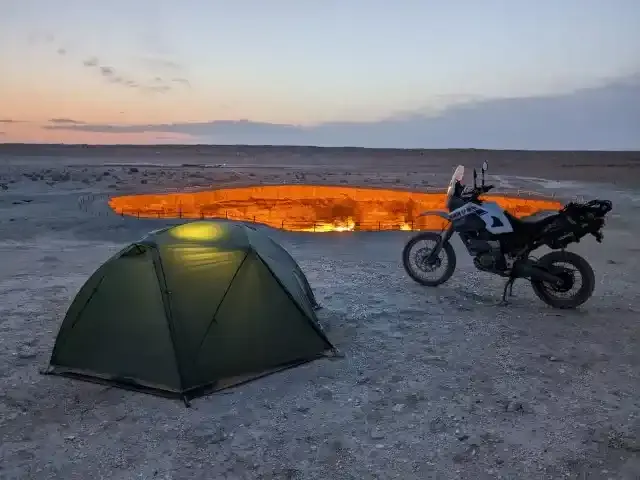
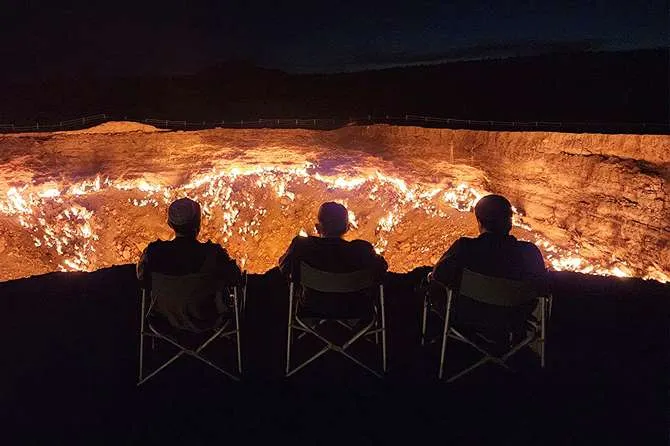
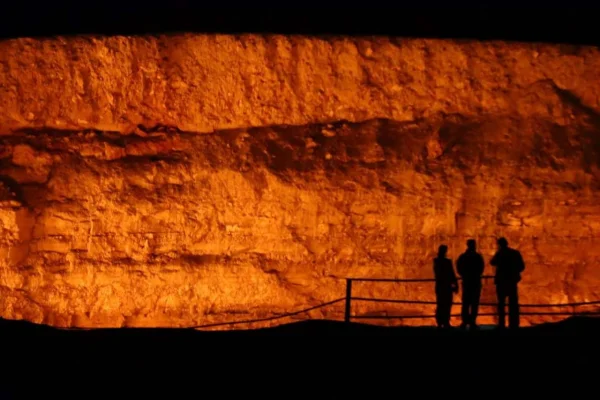
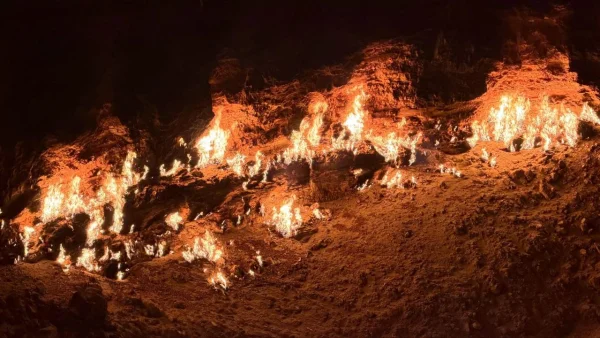
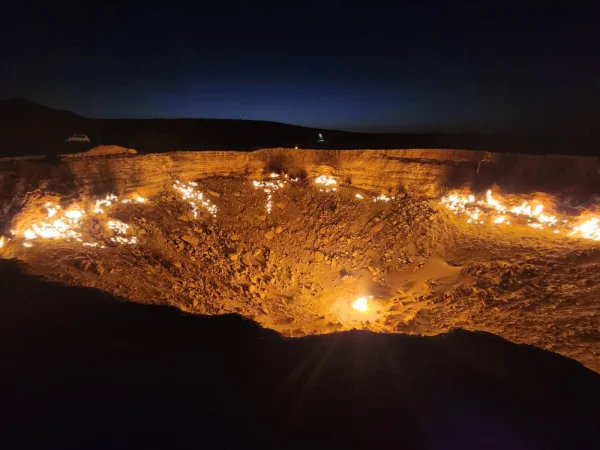
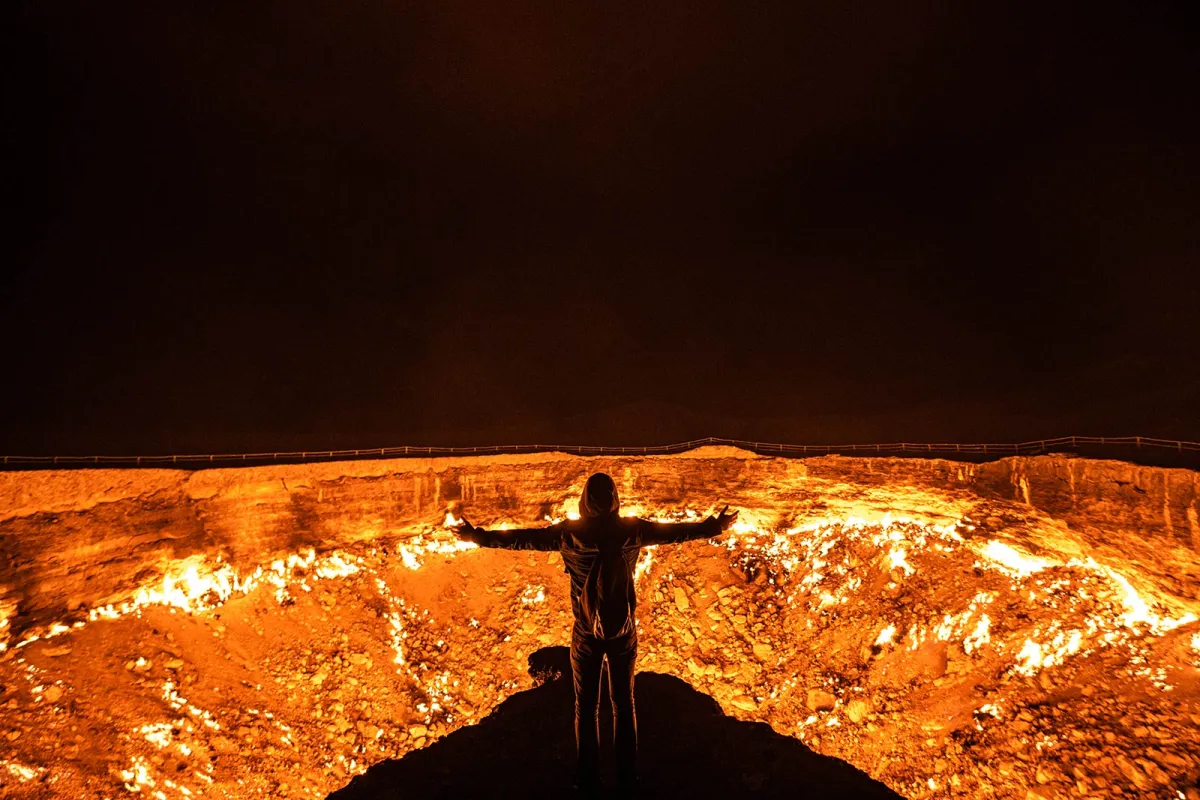
Although it is about 260 kilometers north of Ashgabat in the heart of the Karakum Desert, no trip to Turkmenistan is complete without visiting the Darvaza gas crater. Most travelers use Ashgabat as a departure point for this overnight excursion. This massive 70-meter-wide burning pit was created in 1971 when a Soviet drilling rig collapsed into a cavern filled with natural gas. To prevent the release of toxic gases, geologists set it on fire, expecting it to burn out in a few weeks. Over 50 years later, it is still burning brightly, casting a surreal fiery glow on the desert sky, which is best experienced by camping overnight in a traditional yurt nearby.
Start Your Ashgabat Adventure Today
Ashgabat is a destination that is difficult to describe in simple words. It is a harmonious mix of ultra-modern, record-breaking architectural ambition and ancient, soulful nomadic heritage. By planning ahead, following local rules, and traveling with an open mind, you will discover that the White Marble capital is not only one of the most unique travel experiences on the planet but also one of the most hospitable. Let this complete guide to Ashgabat serve as your blueprint for an extraordinary journey into the heart of Central Asia!