🌋 Introduction to the History of Darvaza
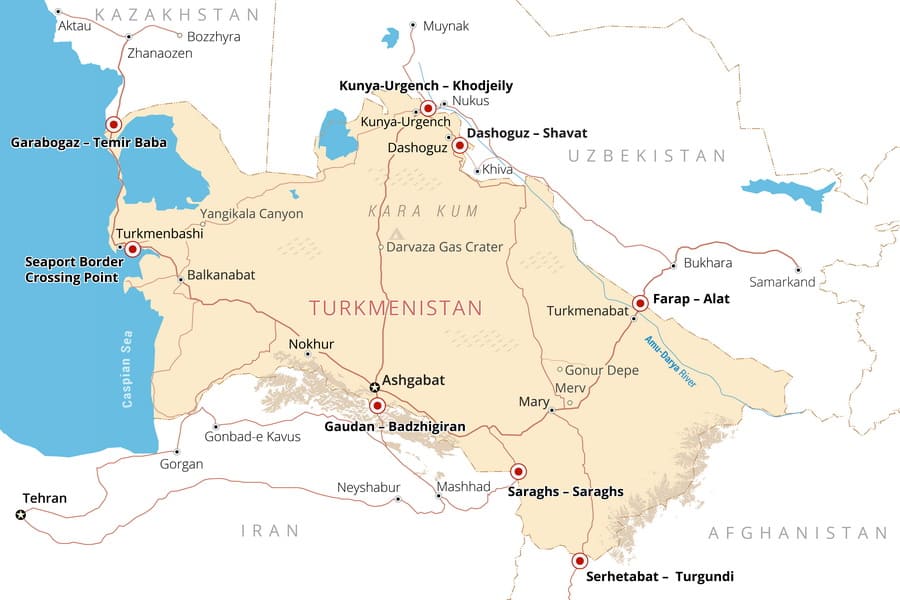
Amidst the endless dunes of the Karakum Desert in Turkmenistan shines a fiery glow known to the entire world as the "Gates of Hell." The official scientific name of this site is the Darvaza gas crater; however, over the decades of its existence, it has transformed into the primary symbol of adventure tourism in Central Asia. To truly appreciate the scale of this phenomenon, one must look back at its history and discover how this grand man-made anomaly came to be.
Many travelers aspire to see the crater with their own eyes by choosing convenient itineraries. For example, by booking a 4-day Turkmenistan tour: Ashgabat, Ancient Merv, and the Darvaza gas crater, you can enjoy the majesty of the desert and witness the eternal flame in comfort. But let us delve deeper into the chronology of events that led to the creation of this wonder.
🏜️ Geological Exploration in the Karakum in 1971
The history of Darvaza traces back to the early 1970s, when Soviet geologists were actively exploring the subsoil of Turkmenistan for hydrocarbon deposits. The Karakum Desert, appearing desolate and harsh, concealed colossal reserves of natural gas beneath thick layers of sand.
In 1971, a team of geologists set up camp near the small settlement of Darvaza (which translates to "gates" in Turkmen). The specialists commenced drilling operations to assess the volume of the gas field. However, nature had a hazardous surprise in store for the scientists.
⚠️ The Collapse of the Drilling Rig
While drilling an exploratory borehole, the drill bit struck a vast subterranean cavern concealed beneath the ground—a natural cavity filled with natural gas. The sheer weight of the heavy drilling equipment combined with mechanical stress triggered the collapse of the underground cavity's roof.
As a result of the collapse, the top layers of soil caved in along with the drilling rig and machinery, forming a gigantic crater with a diameter of about 60–70 meters and a depth of around 20 meters. Fortunately, according to official records, no one was injured during the incident; however, the engineers were now confronted with a critical environmental problem.
🔥 Why Was the Darvaza Crater Set on Fire?
The resulting sinkhole began rapidly venting natural gas. Since methane was the primary component of the emissions, it posed a serious threat to human life and local desert wildlife. A high concentration of gas in the air could cause poisoning, and the slightest spark risked triggering a massive, uncontrolled explosion.
⚠️ Weighing all the risks, Soviet specialists decided to ignite the venting gas, expecting the fuel reserves to deplete within a few days and the fire to burn out on its own. None of those involved could have imagined that the natural underground reservoirs were so vast that the burning would continue not for days or weeks, but for decades.
🌟 Darvaza Today: From an Industrial Mishap to a Global Landmark
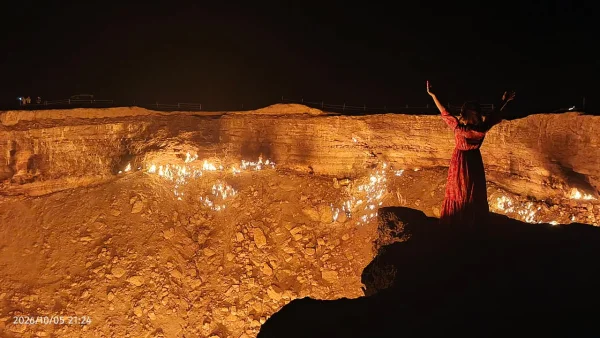
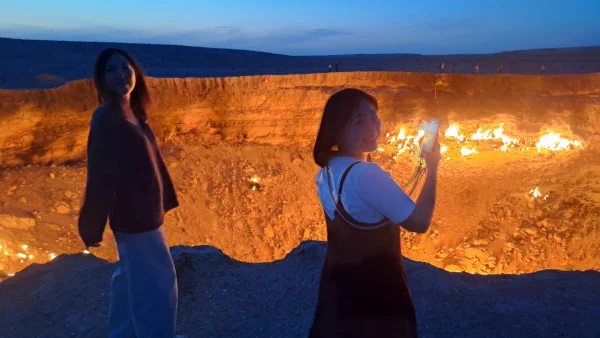
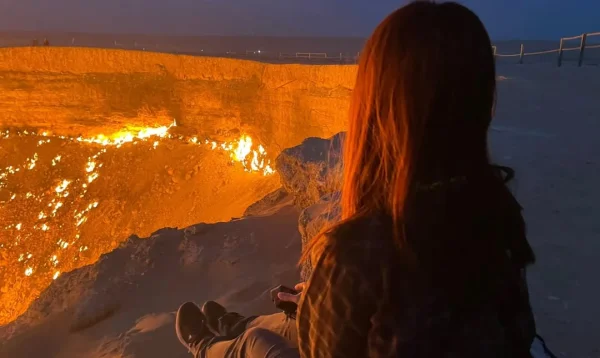
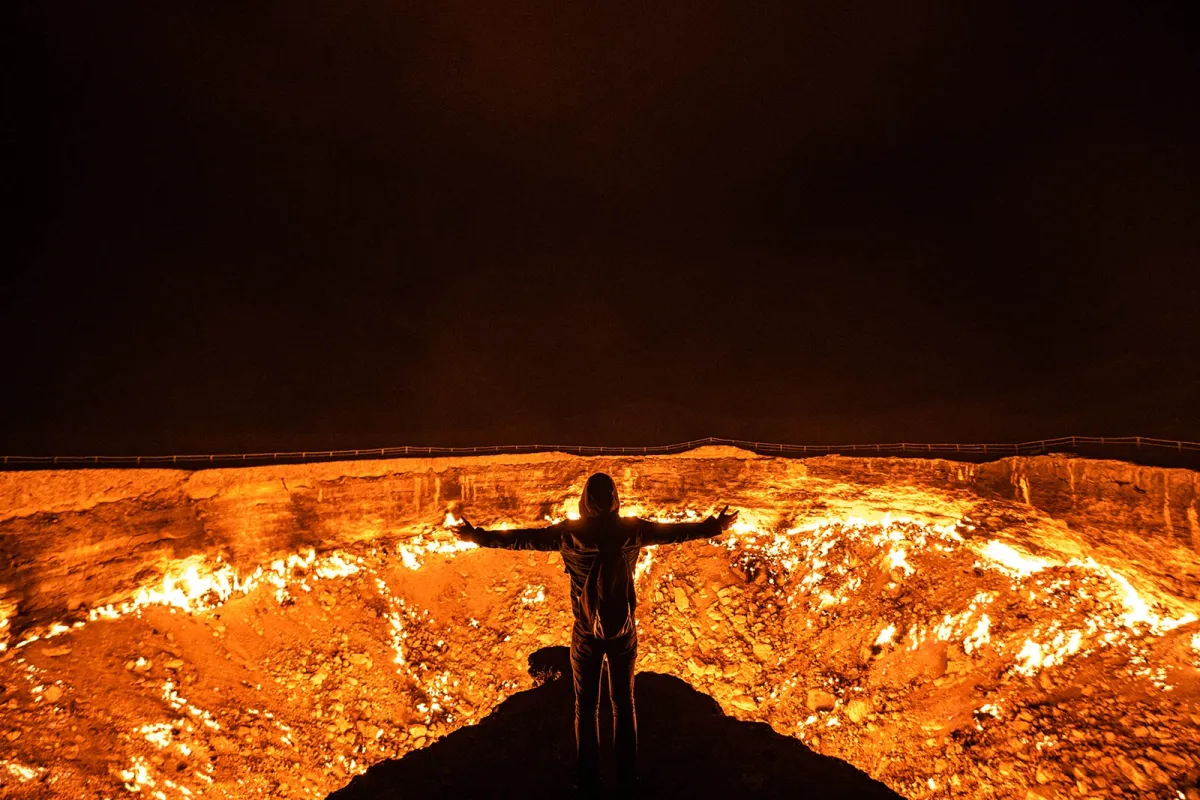
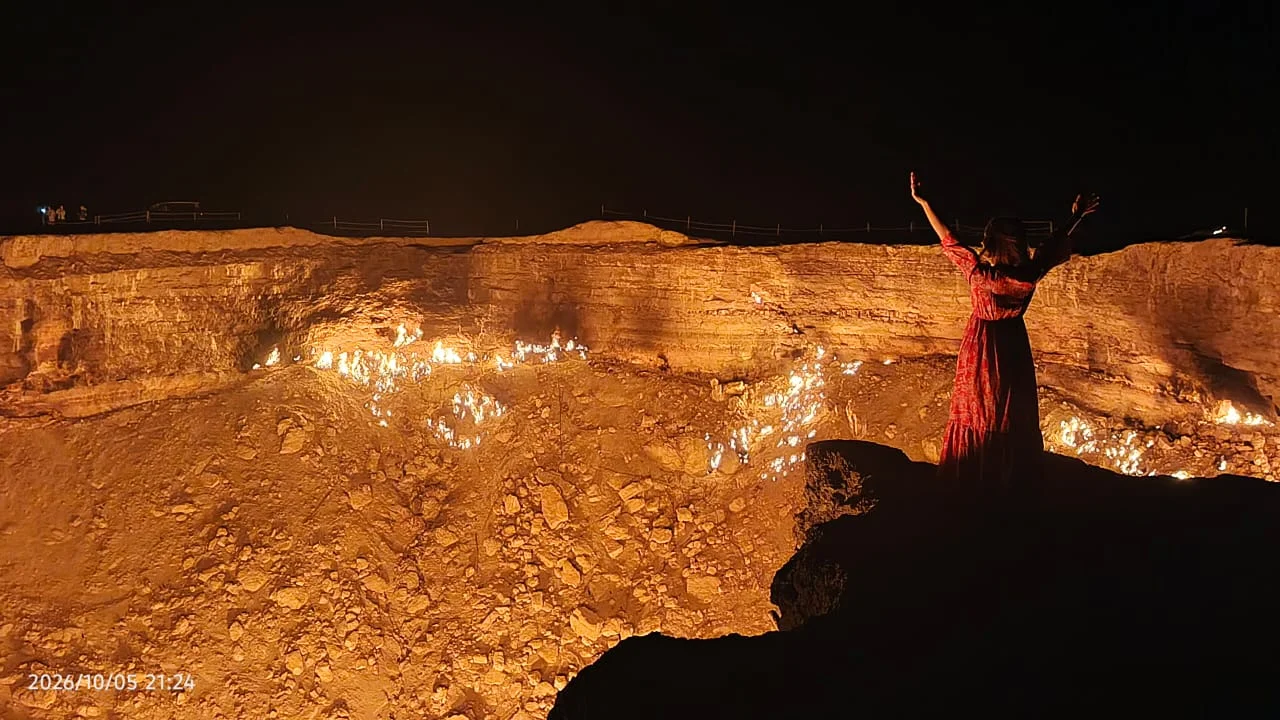
Decades have passed, yet the flames in the heart of the Karakum continue to roar with unabated fury. Tongues of fire leap several meters into the air, creating a mesmerizing spectacle, especially at dusk and during the night. Temperatures inside the crater reach extreme levels, and its glow can be seen from miles around.
Today, Darvaza attracts thousands of tourists from all over the world. Many travelers include this unique place in their extensive regional journeys, for example, by choosing a 5-day transit tour across Turkmenistan: from Ashgabat to Khiva or Nukus via Merv and Darvaza, which seamlessly combines the exploration of ancient history with wild nature.
💡 Practical Tips for Visiting
- 🌤️ Best time to visit: Spring and autumn offer the most comfortable temperature conditions in the desert.
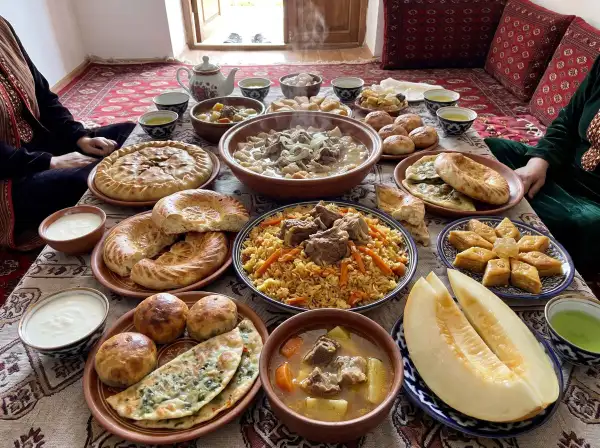
- ⛺ Overnight stay in yurts: Traditional Turkmen yurt camps are set up near the crater, where you can enjoy dinner and spend the night under the starry sky.
- 📸 Photography: Bring a tripod and cameras with good low-light performance—night shots of the blazing crater turn out incredibly striking.
ℹ️ The history of Darvaza is a remarkable example of how accidental human intervention in nature created one of the planet's most fascinating tourist phenomena. A visit to this place leaves an unforgettable impression and lets you experience the full power and mystery of the Turkmen land.