🔥 Introduction: Witnessing the Eternal Flame
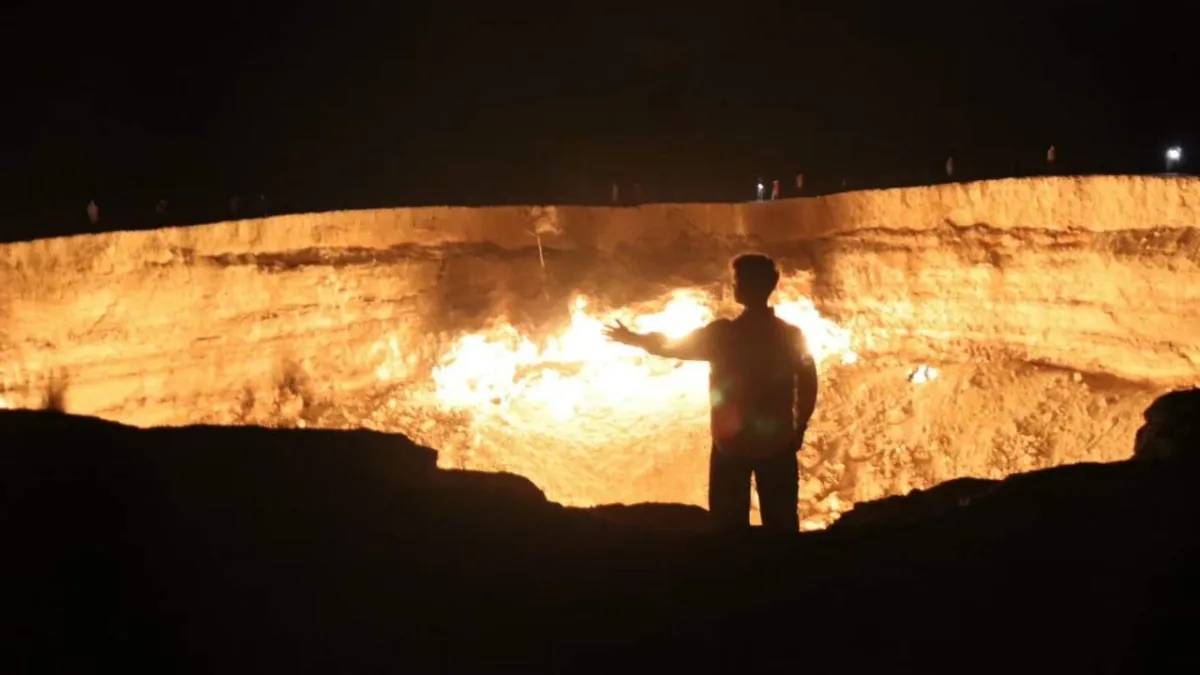
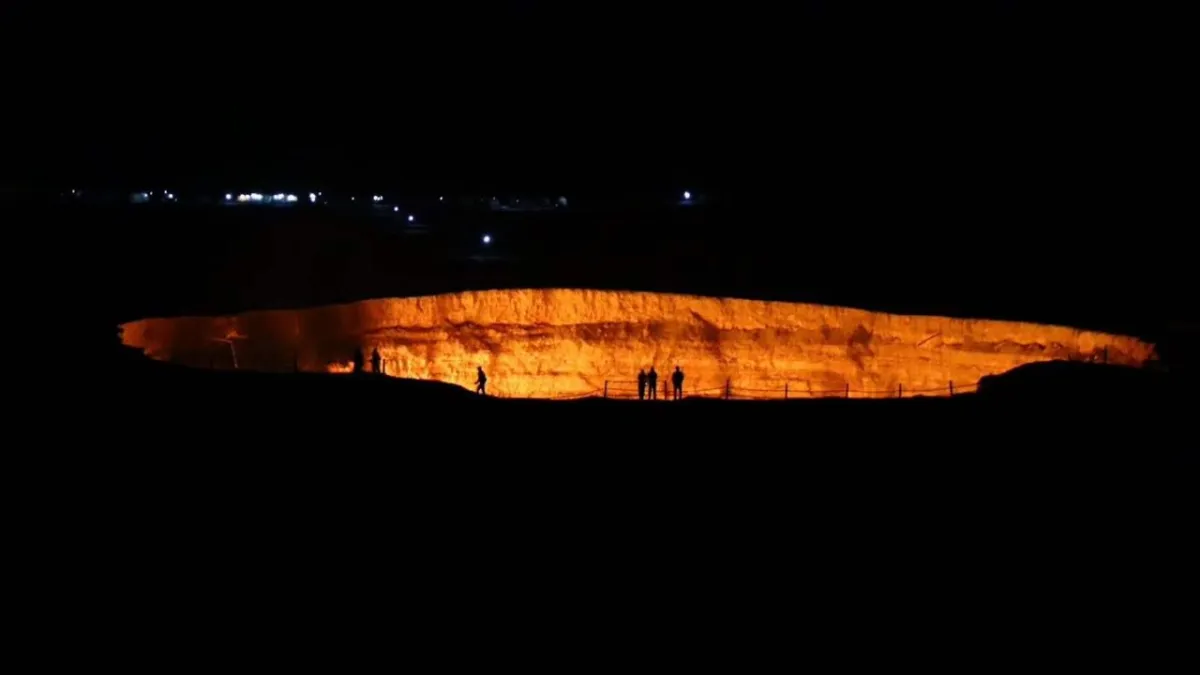
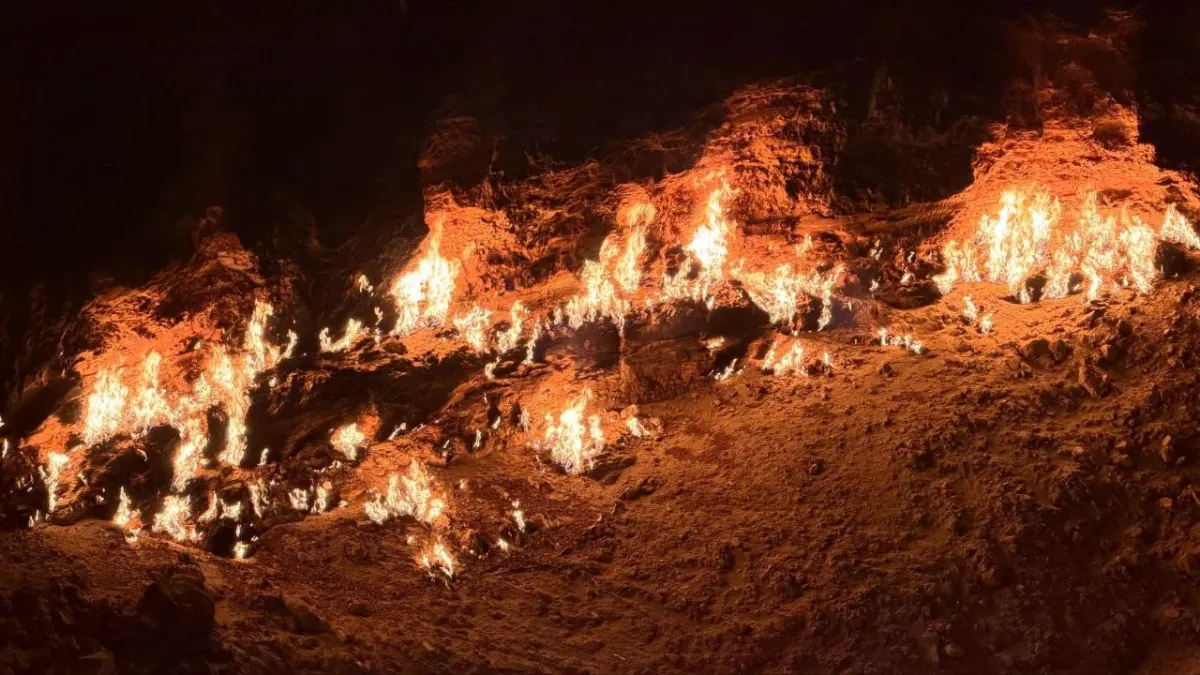
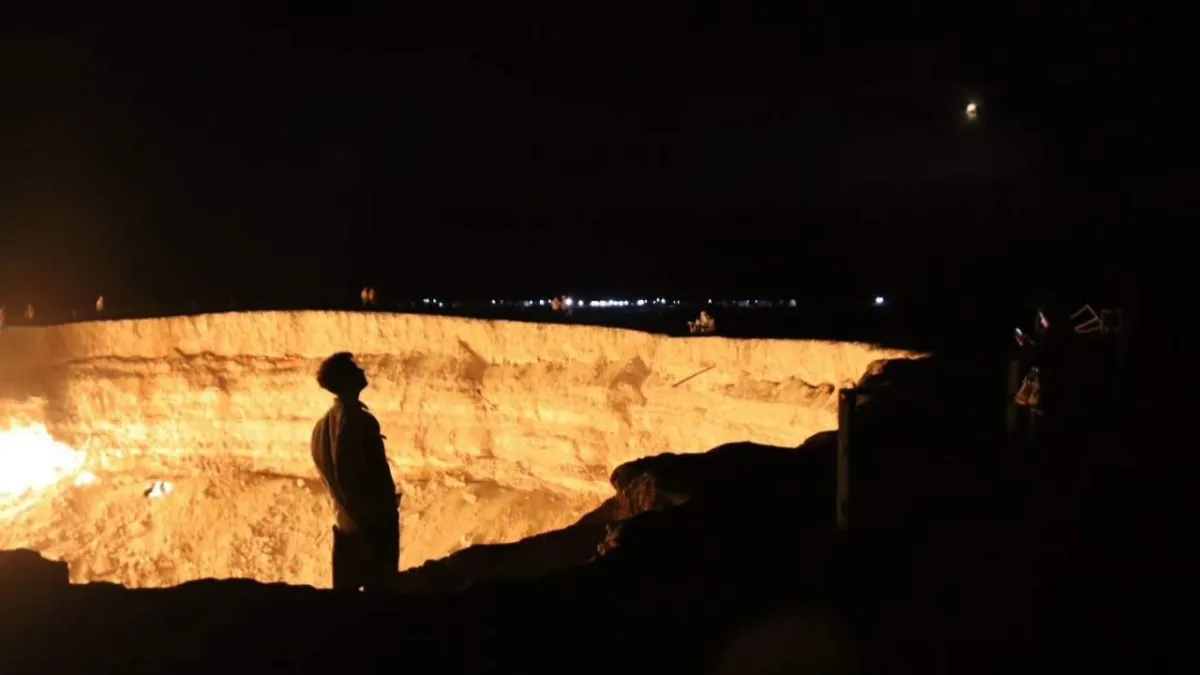
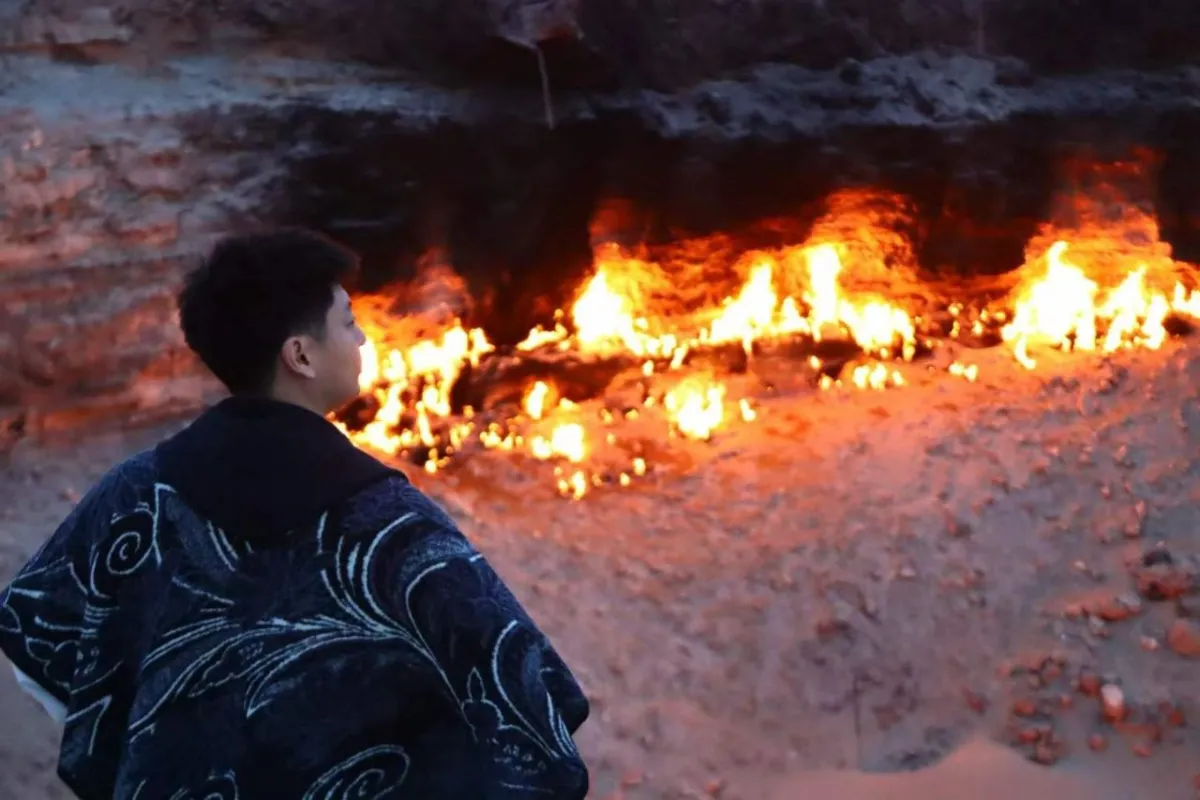
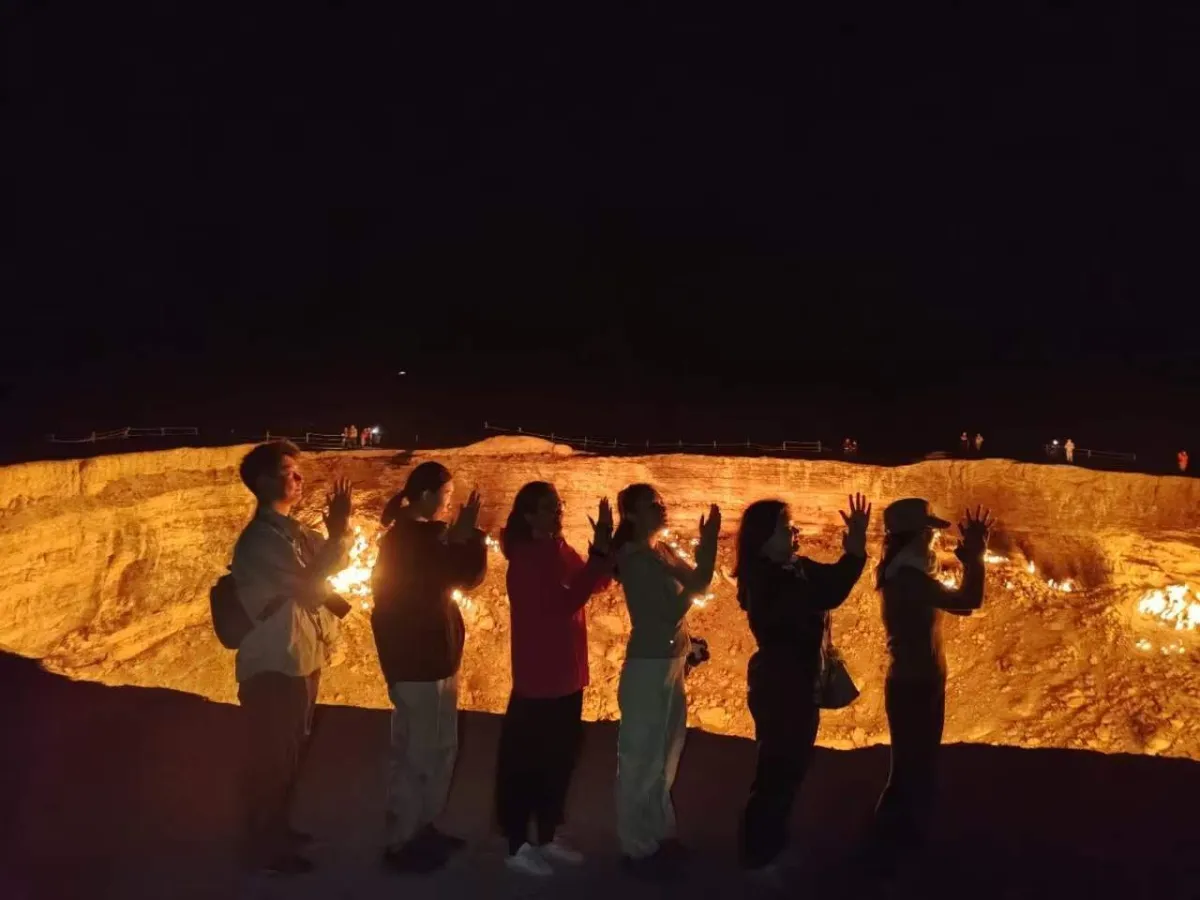
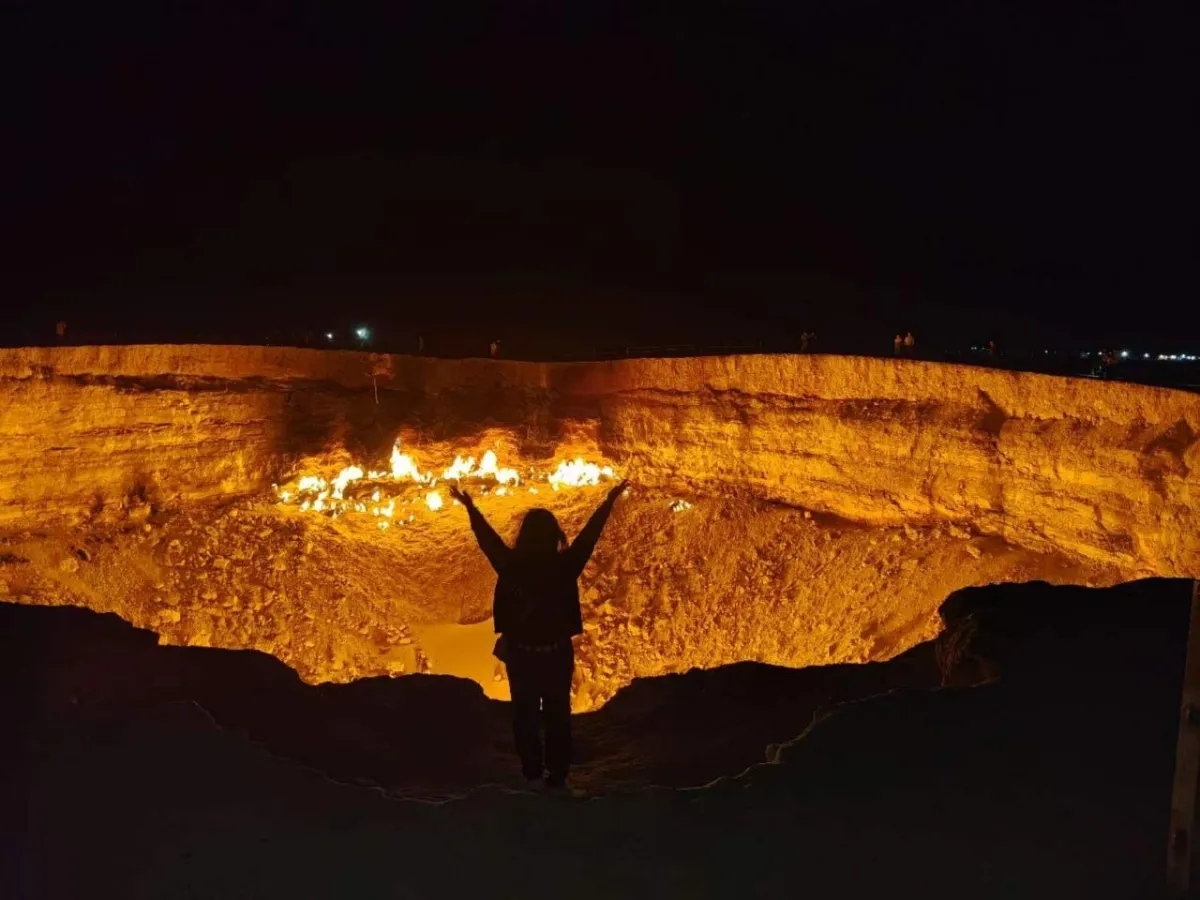
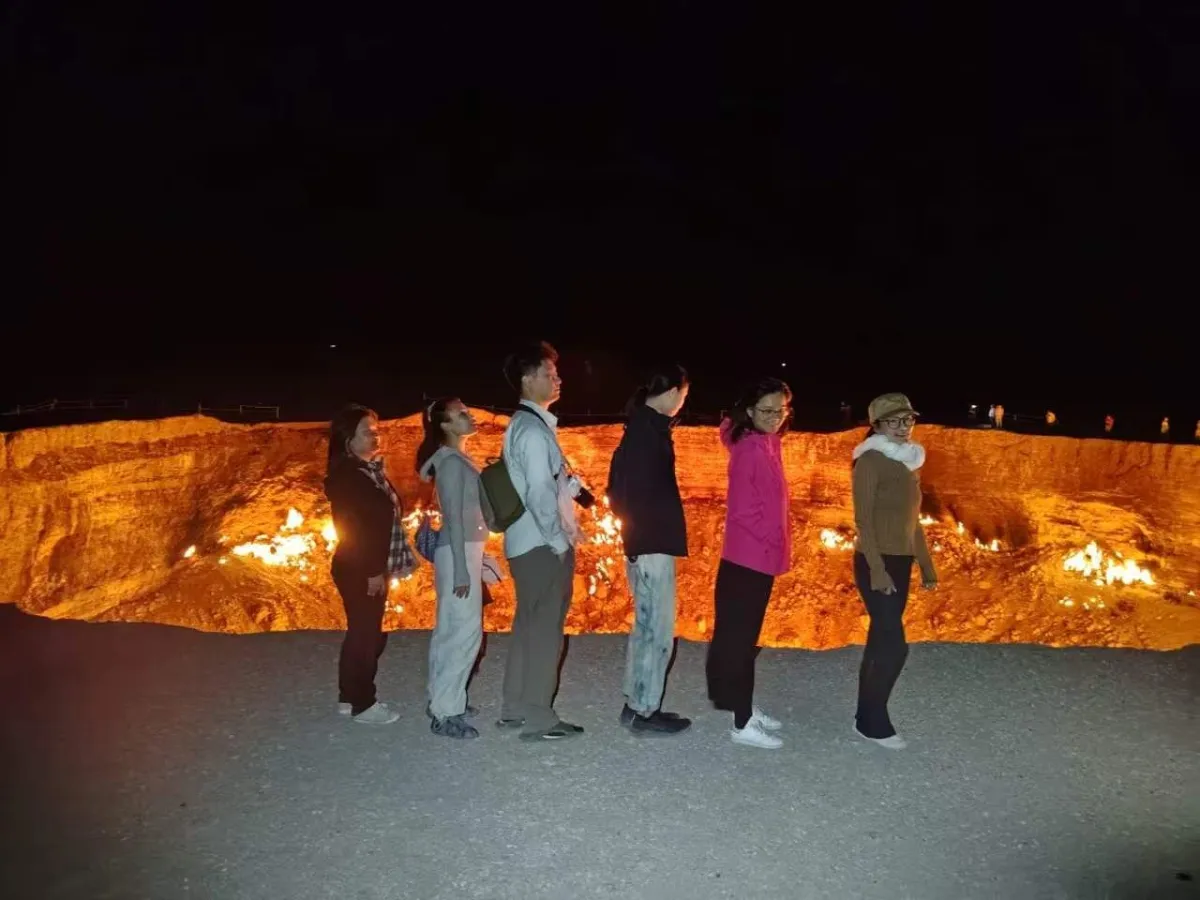
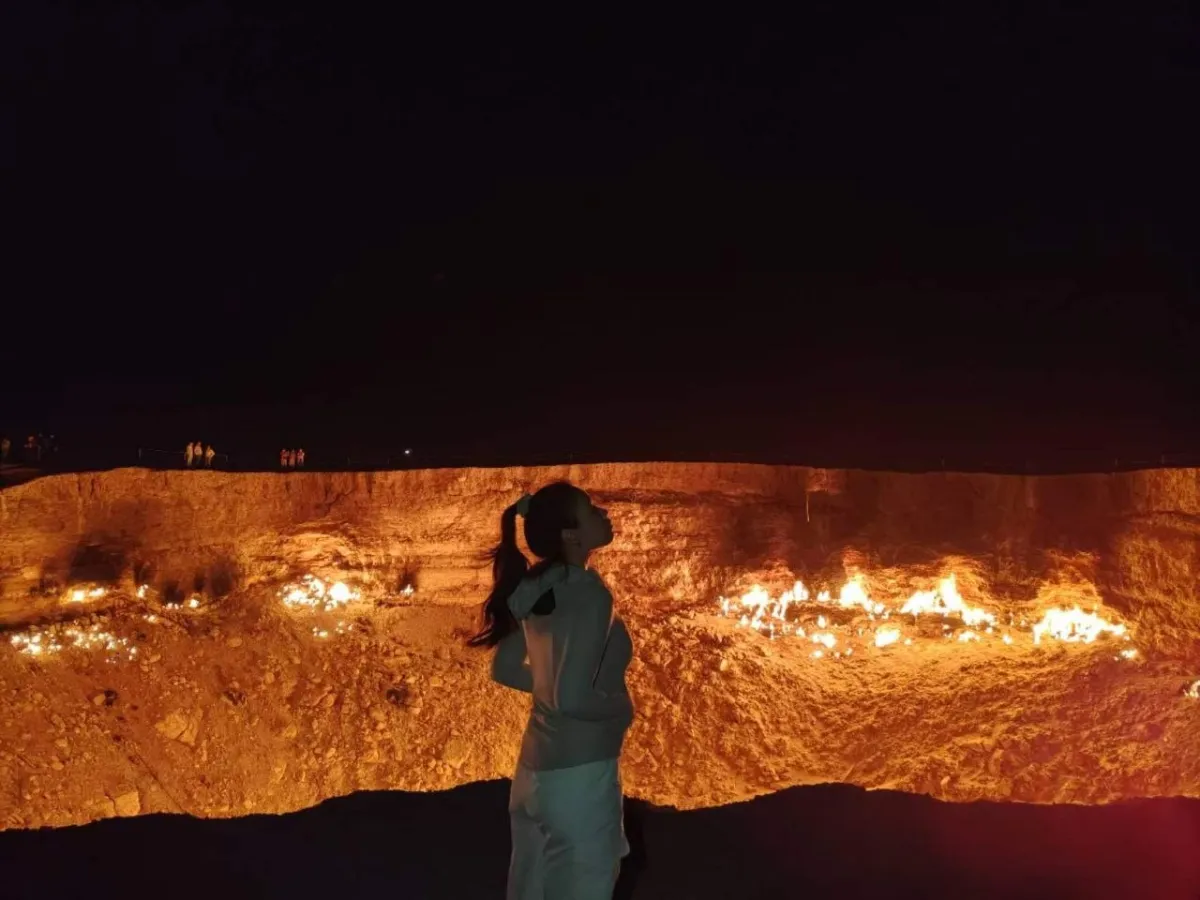
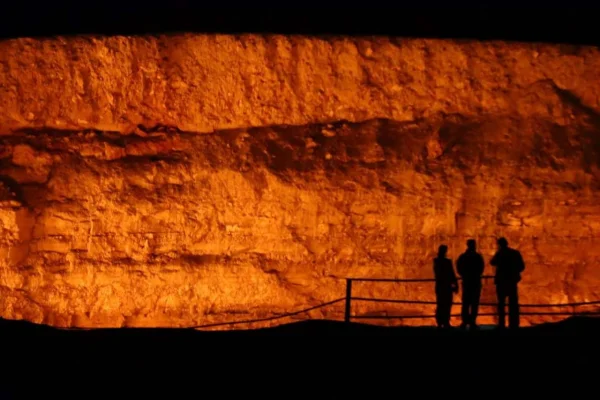
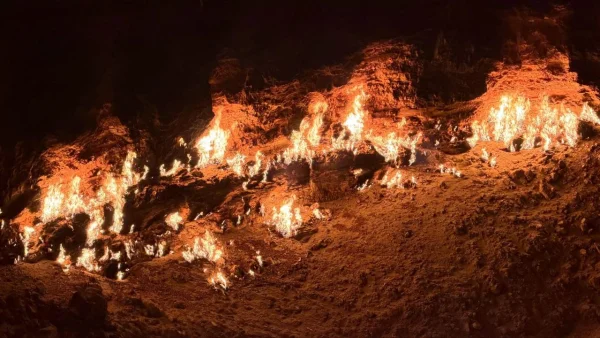
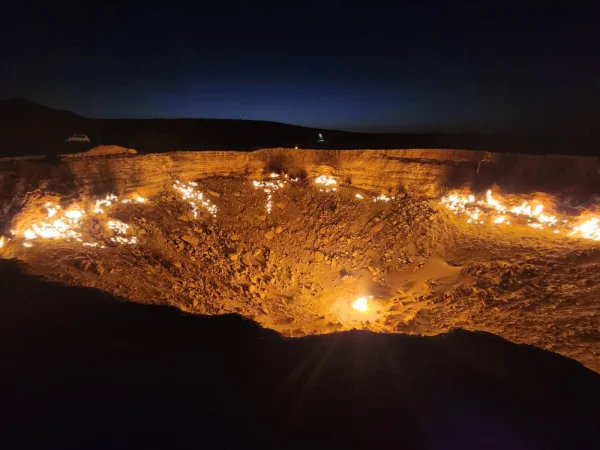
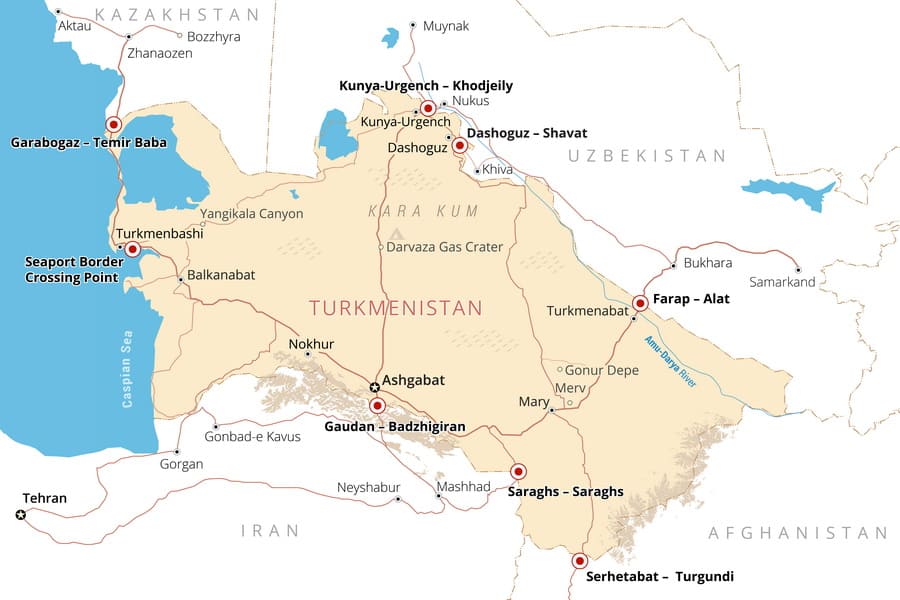
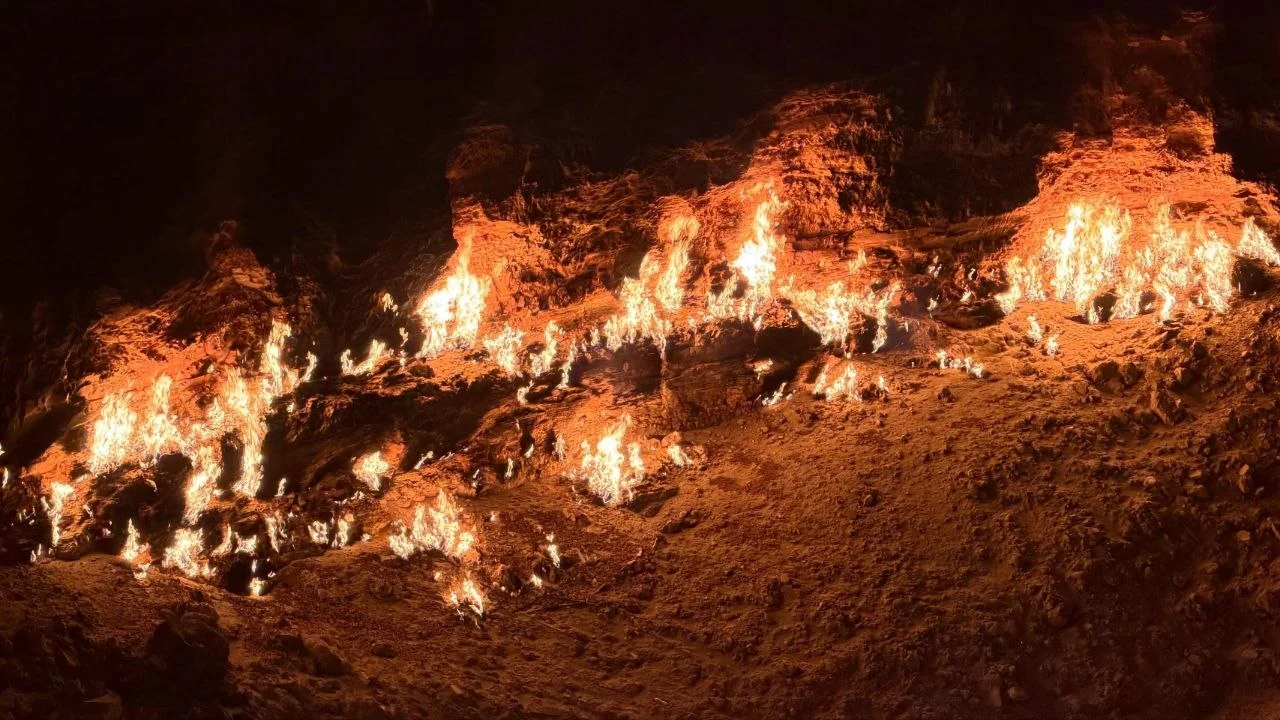
In the heart of the vast Karakum Desert lies one of the most mesmerizing sights on the planet: the Darvaza Gas Crater, famously known as the "Door to Hell." For over half a century, this 70-meter-wide abyss has burned with an unyielding orange glow, fueled by natural gas reserves that were accidentally ignited in 1971. While the crater is a permanent fixture of the Turkmen landscape, the quality of your experience is heavily influenced by the time of year you choose to visit. Because Turkmenistan’s desert climate is one of extremes, selecting the right season is crucial for your comfort, safety, and photographic success.
The desert environment poses unique challenges. In the summer, the sun can be punishingly hot, while winter nights can drop well below freezing. To help you plan your journey, this guide breaks down the best time to visit Darvaza based on weather patterns, desert conditions, and seasonal highlights. Whether you are looking for mild temperatures for a multi-day trek or seeking the stark contrast of snow against fire, timing is everything when venturing into the Karakum.
🌤️ The Ideal Windows: Spring and Autumn
For the majority of travelers, the best time to visit Darvaza is during the shoulder seasons of spring and autumn. During these months, the harshness of the desert softens, providing a pleasant environment for both travel and camping. If you are booking a 4-Day Turkmenistan Tour: Ashgabat, Ancient Merv, and Darvaza Gas Crater, these periods offer the most balanced experience for exploring both the city and the wilderness.
| Season | Conditions | Verdict |
|---|---|---|
| 🌸 Spring (March–May) | Mild, 20–30°C (68–86°F) by day; desert in bloom in April and early May | Ideal |
| 🍂 Autumn (September–November) | Cooling from mid-September; crisp but not frigid nights | Ideal — peak tourism season |
| ☀️ Summer (June–August) | Often above 40°C (104°F), up to ~50°C (122°F); comfortable nights | Possible, with a late-arrival strategy |
| ❄️ Winter (December–February) | Nights down to -15°C (5°F) or lower; snow possible | Only for the hardy traveler |
🌸 Spring (March to May)
Spring is arguably the most beautiful time in Turkmenistan. As the winter chill fades, the Karakum Desert undergoes a brief but stunning transformation. For a few weeks in April and early May, the usually barren landscape is dotted with green shrubs and desert wildflowers. The temperatures are mild, ranging from 20°C to 30°C (68°F to 86°F) during the day, making the drive from the capital much more enjoyable. It is also the perfect time to explore other regions, such as the white-marble architecture described in The Complete Guide to Ashgabat: Exploring Central Asia's White Marble Capital, before heading north into the desert.
🍂 Autumn (September to November)
Autumn is the peak tourism season for good reason. After the scorching heat of the summer months, the desert begins to cool down in mid-September. By October, daytime temperatures are nearly perfect for hiking around the crater’s rim. The nights are crisp but not yet frigid, which is ideal for the traditional camping experience near the crater. This is also a fantastic time for history enthusiasts who want to combine their desert adventure with a trip to Ancient Merv: A Complete Guide, as the cooler weather makes walking through the expansive ruins of the Silk Road far more comfortable.
☀️ Visiting During the Summer (June to August)
Summer in the Karakum Desert is an exercise in endurance. Temperatures frequently exceed 40°C (104°F) and can occasionally peak near 50°C (122°F). However, summer travel is not impossible; it simply requires a different logistical approach. Many travelers who are crossing Central Asia as part of a larger expedition find themselves in Turkmenistan during these months. If you are on a tight schedule, the 2-Day Turkmenistan Circular Tour Starting & Ending in Ashgabat is an efficient way to see the crater without spending too much time exposed to the midday sun.
In summer, the strategy is to arrive at Darvaza as late as possible. While the sun is high, the heat radiating from both the desert floor and the crater itself can be overwhelming. As the sun sets, however, the temperature drops rapidly. The summer nights in the desert are surprisingly comfortable, and the clarity of the sky offers unparalleled opportunities for stargazing. Just be sure to carry ample water and seek shade during the daylight hours.
❄️ The Winter Experience (December to February)
Winter is the off-season for Turkmen tourism, but it offers a unique visual spectacle for the hardy traveler. Imagine the contrast of pure white snow blanketing the desert dunes, surrounding a massive, roaring circle of fire. The visual juxtaposition is extraordinary. However, be prepared for extreme cold; temperatures at night can drop to -15°C (5°F) or lower. If you choose to visit in winter, camping is only recommended for those with professional-grade cold-weather gear. Most visitors during this time opt for a quick evening visit before retreating to a warmer guesthouse or returning to Ashgabat. Despite the chill, the 5-Day Turkmenistan Transit Tour from Ashgabat to Khiva or Nukus via Merv & Darvaza remains a popular winter option for those transiting between Uzbekistan and the Turkmen capital.
🌅 The Best Time of Day: Sunset and Beyond
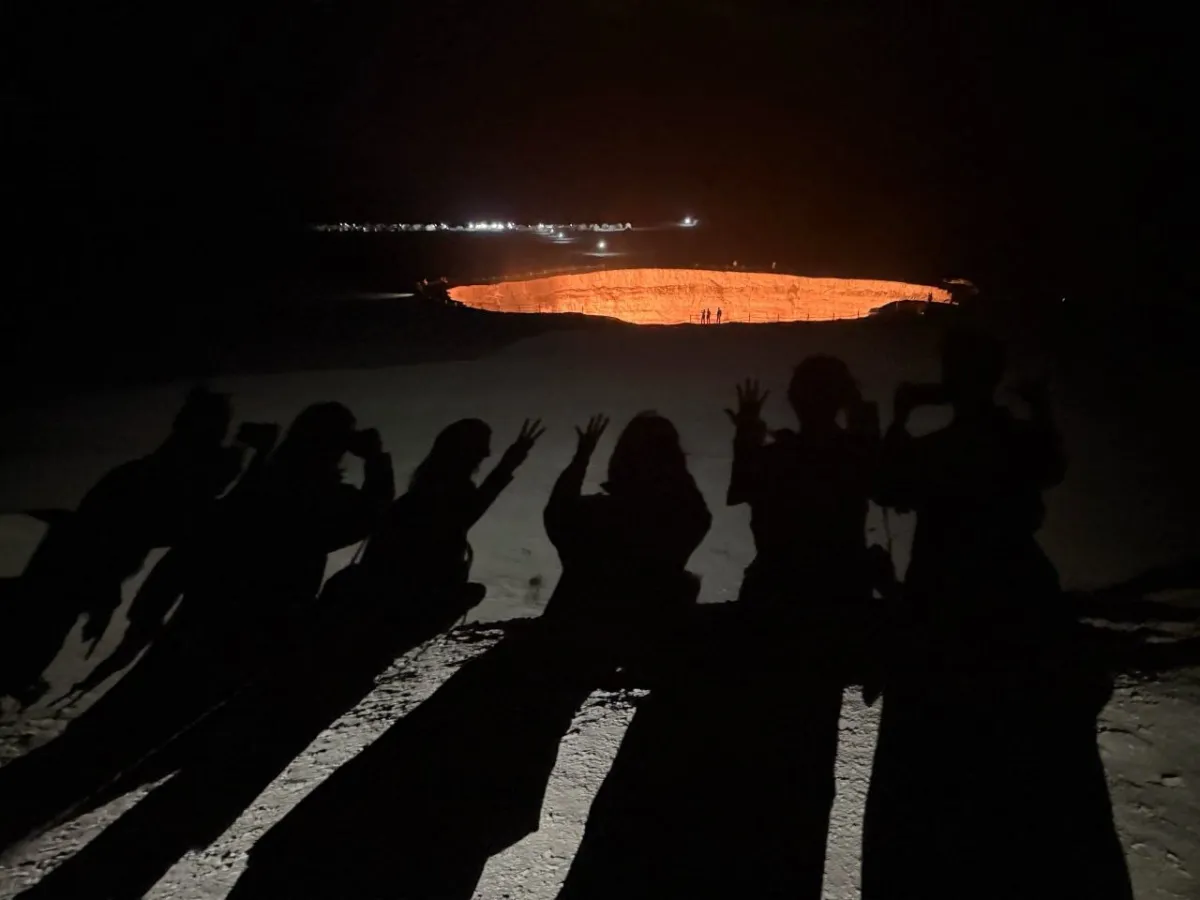
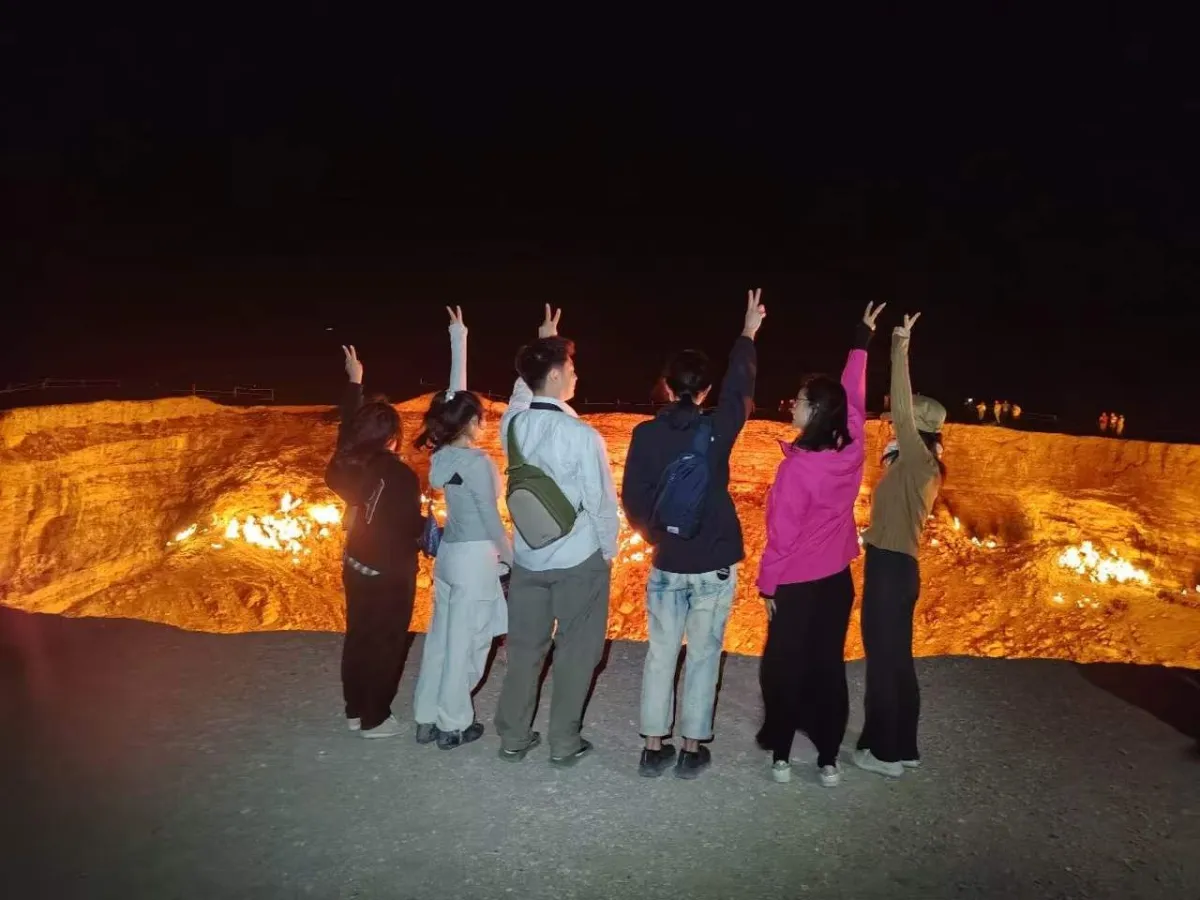
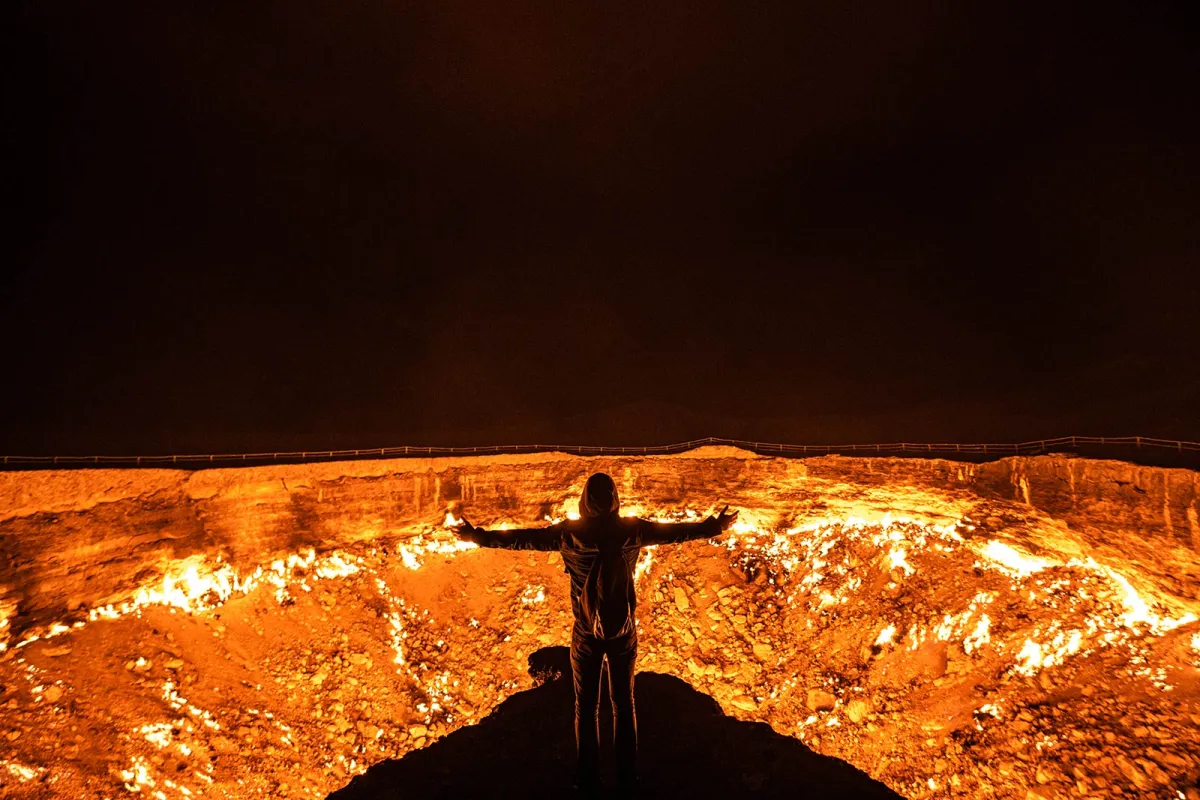
Regardless of the month you choose, the "best time" of day to be at the crater is undoubtedly at night. During the daylight hours, the Darvaza Crater can look like a dusty, smoldering hole in the ground. While its scale is impressive, it lacks the magical quality that has made it world-famous. As the sun dips below the horizon, the true power of the crater emerges. The orange glow begins to illuminate the surrounding desert, and the sound of the roaring gas becomes the dominant feature of the silence.
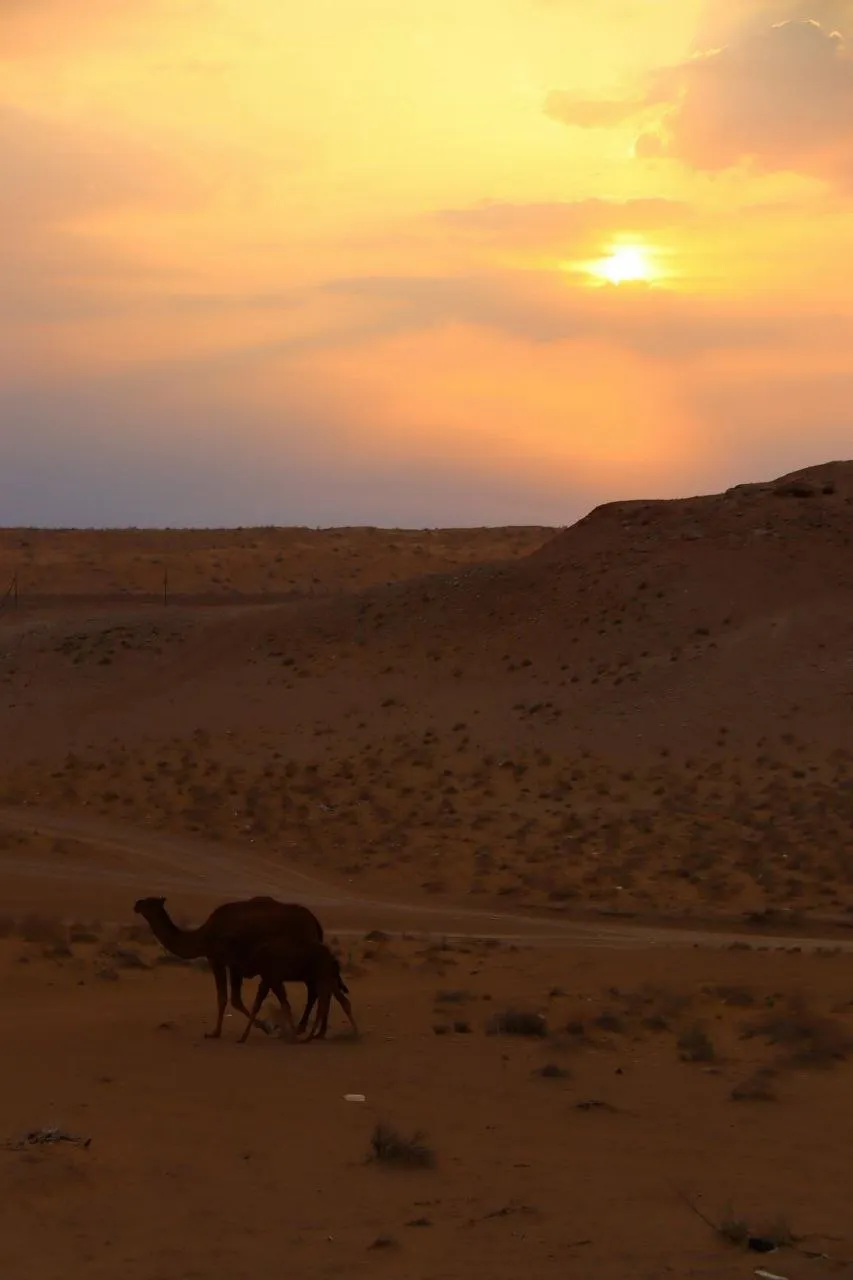
We highly recommend staying overnight. Watching the crater transition from the golden hour of sunset into the deep black of a desert night is a transformative experience. In the early morning hours, just before dawn, the air is at its freshest, and the light is soft, providing the best conditions for professional photography without the harsh shadows of midday.
🎒 What to Pack for Different Seasons
The key to a successful trip to Darvaza is layering. Even in the height of spring, the desert wind can be sharp. Here is a quick seasonal packing list:
| Season | What to pack |
|---|---|
| 🌸🍂 Spring / Autumn | Light cotton clothing for the day, a fleece or windbreaker for the evening, and sturdy closed-toe shoes to protect against the hot ground and desert insects. |
| ☀️ Summer | High-SPF sunscreen, a wide-brimmed hat, sunglasses, and loose, breathable clothing that covers your skin to prevent sunburn. A hydration pack is essential. |
| ❄️ Winter | Thermal base layers, a heavy down jacket, gloves, a warm hat, and insulated boots. The wind at the crater's edge can be biting in January. |
🏁 Conclusion: Planning Your Visit
The Darvaza Gas Crater remains the crown jewel of Turkmenistan's natural attractions. While the shoulder seasons of April-May and September-October offer the most comfortable weather, every season brings a different personality to the Door to Hell. By choosing the right tour and preparing for the desert's shifting moods, you can ensure that your visit to this burning wonder is the highlight of your Central Asian journey. Whether you arrive in the bloom of spring or the chill of winter, the sight of the eternal flames against the desert sky is a memory that will stay with you forever.