🗺️ Travel Logistics
Ashgabat ➔ International Flights ➔ Airport ➔ Domestic Transport ➔ Borders
✨ Travel Overview
Understanding logistics is a key factor for successfully planning a trip to this closed but welcoming region.
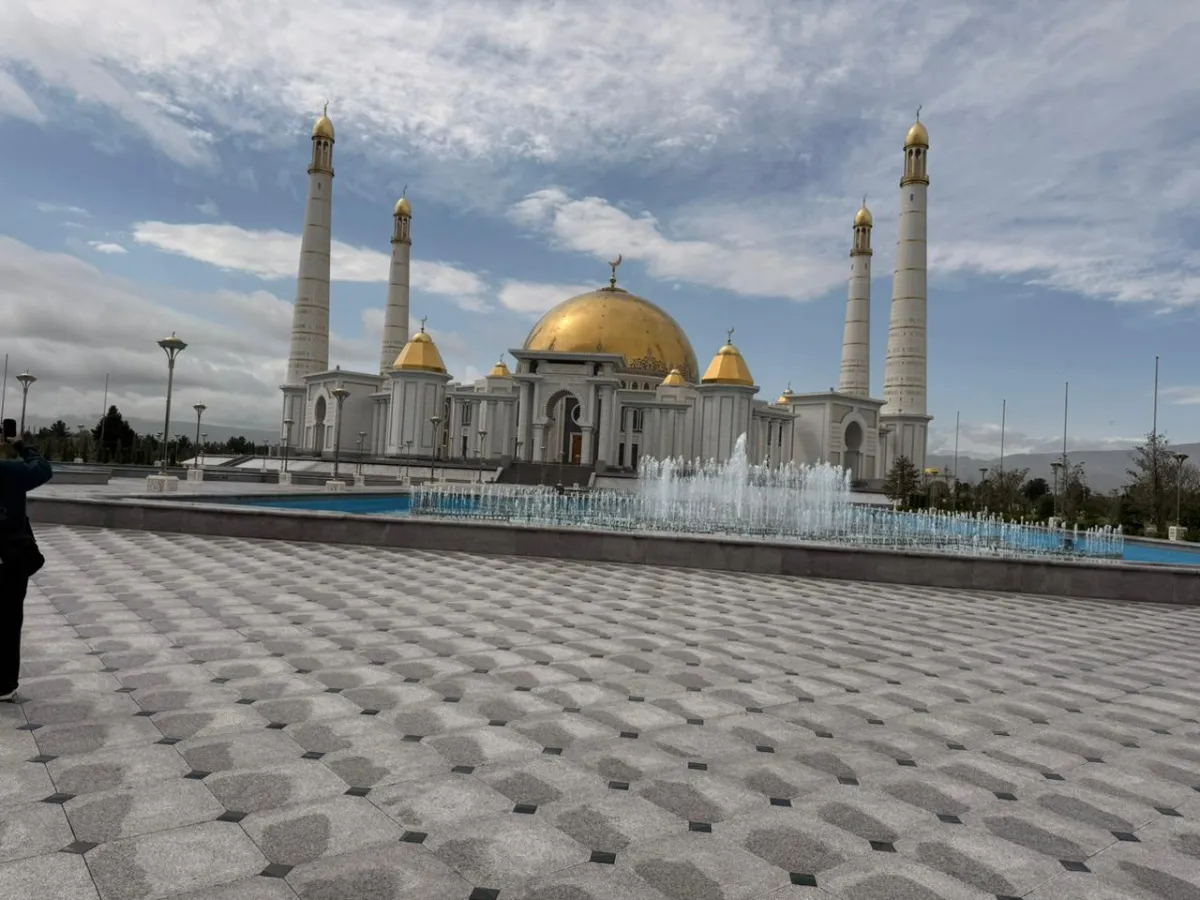
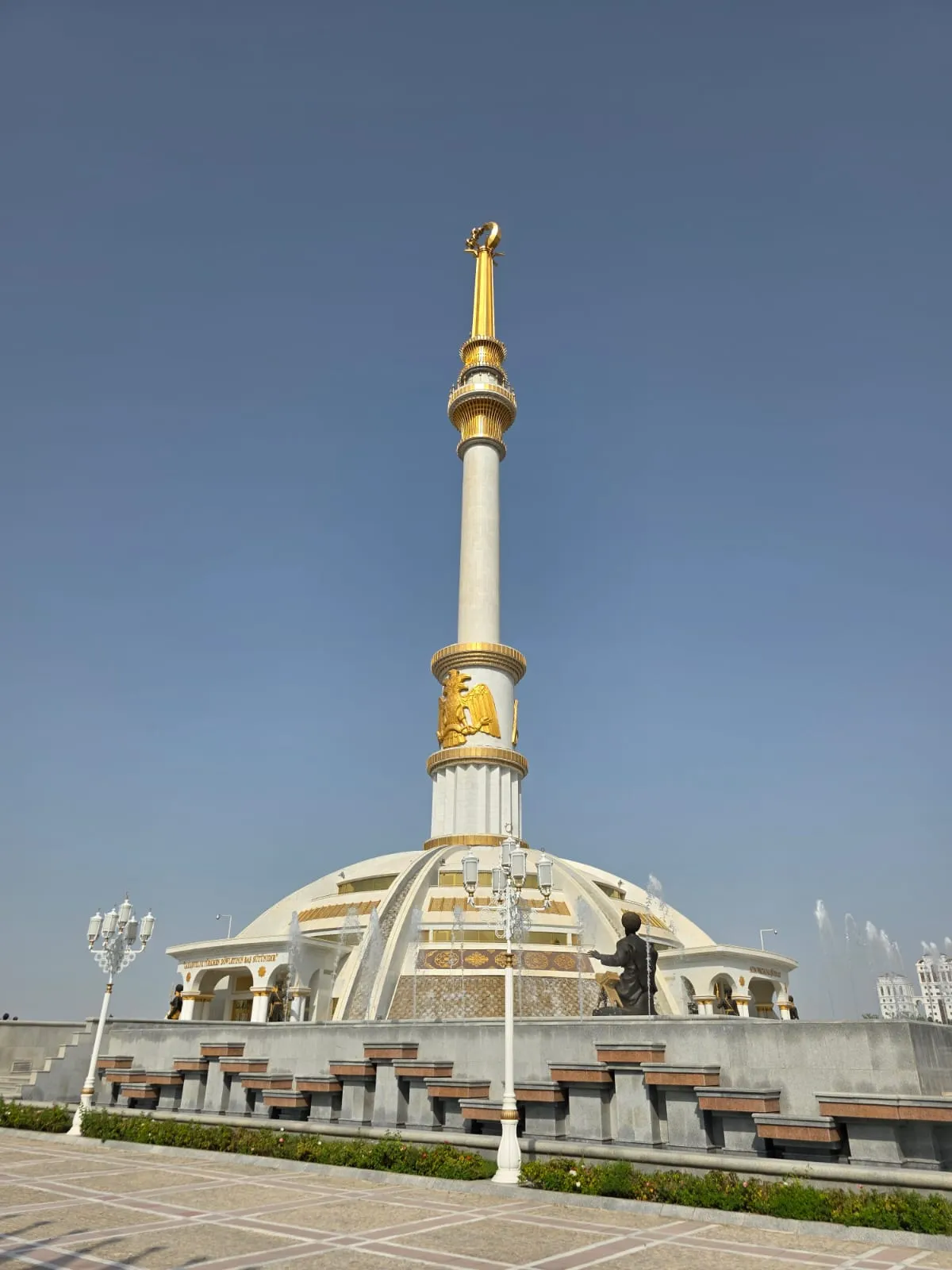
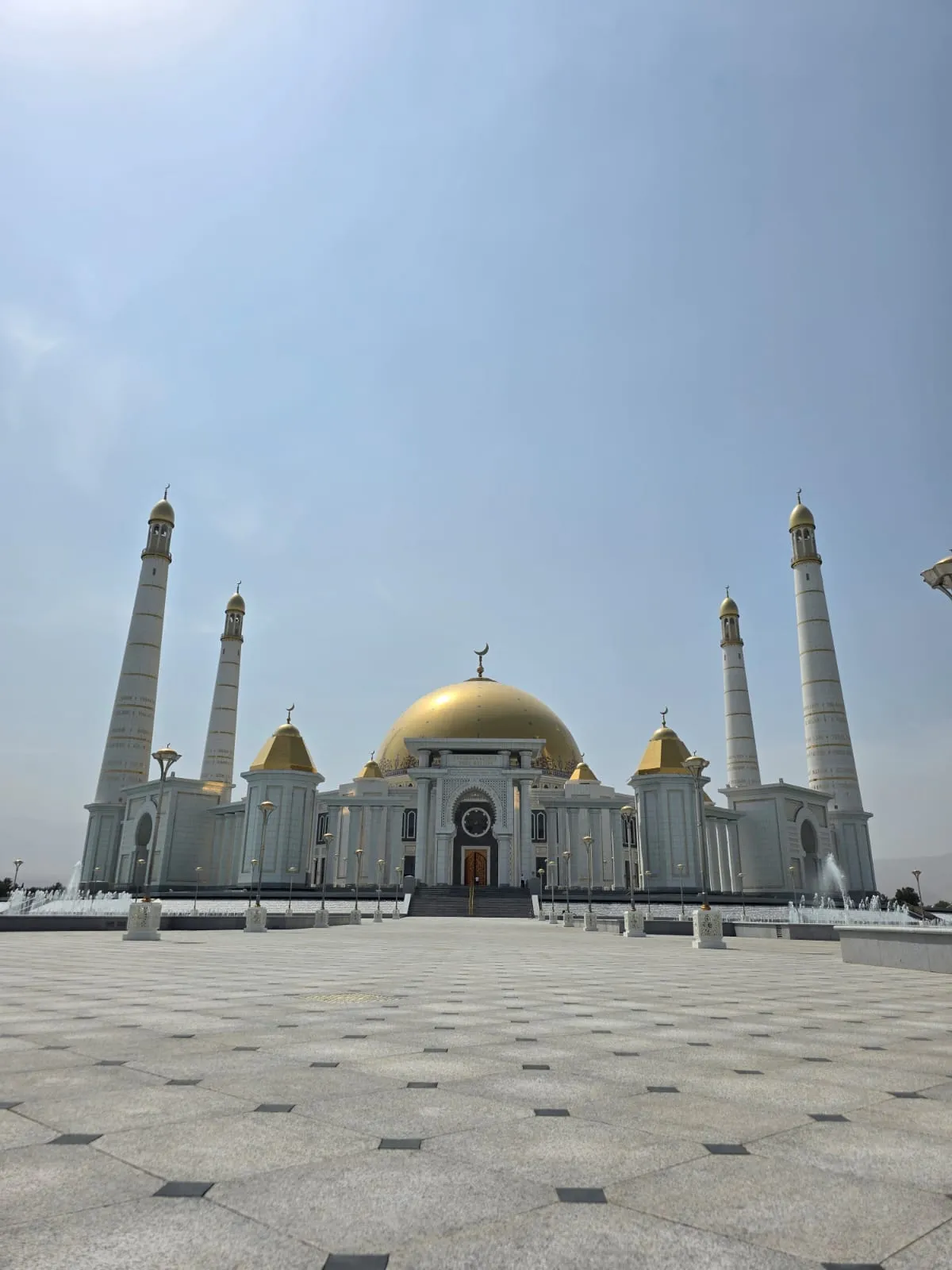
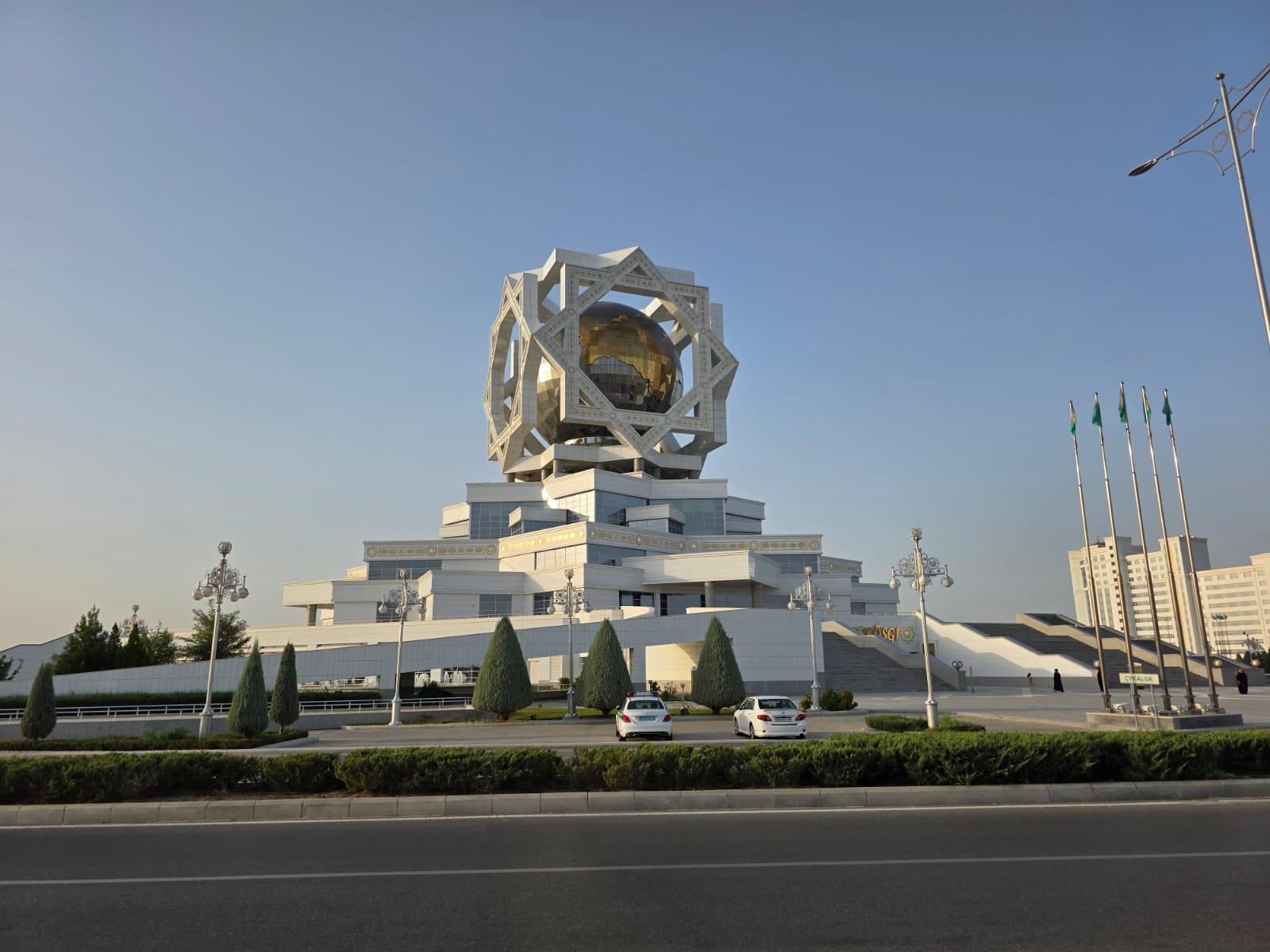
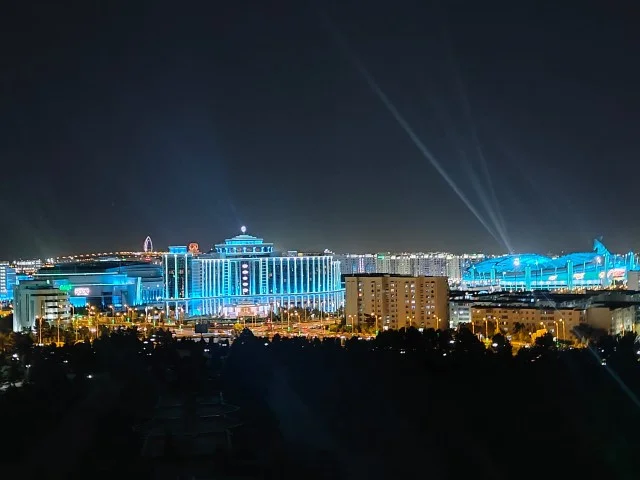
Ashgabat, the capital of Turkmenistan, known for its magnificent white marble architecture and futuristic look, is the country's main transport hub. Understanding logistics is a key factor for successfully planning a trip to this closed but welcoming region. In this guide, we will break down the question "Ashgabat How to Get There" in detail, covering all aspects: from international flights to the nuances of driving on desert highways.
Air Gateway: Ashgabat International Airport
Most foreign visitors begin their acquaintance with the country through the Ashgabat International Airport named after Oguz Khan (ASB). This ultra-modern falcon-shaped building is an architectural landmark and a technological hub of Central Asia.
Main airlines operating flights to Ashgabat:
- Turkmenistan Airlines: The national carrier connecting the capital with cities in Europe (Frankfurt, London), the CIS (Moscow, Kazan), and Asia (Beijing, Bangkok, Delhi).
- Turkish Airlines: Regular flights from Istanbul, providing convenient connections for travelers from America and Europe.
- FlyDubai: Connects Ashgabat with Dubai, opening access to a global network of destinations.
The airport is located just 10 km from the city center. A taxi ride will take about 15-20 minutes along wide, well-lit avenues.
Overland Routes: Distances and Directions
If you are planning a trip within the country or entering from neighboring states, it is important to know the main road routes. Ashgabat is connected to the country's largest cities by a network of highways that are constantly being modernized.
East — West Route (M37 Highway)
This is the main transport artery of the country, running through the whole of Turkmenistan.
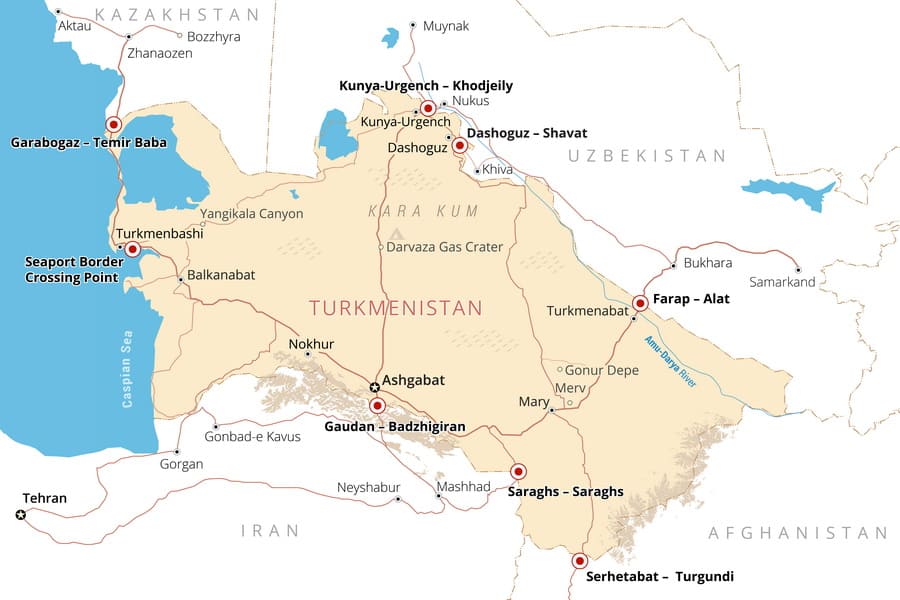
- Mary — Ashgabat: The distance is about 370 km. The road passes through the Karakum Desert. Travel time by car is approximately 4.5–5 hours. The road surface is generally good, but there are some sections under repair.
- Turkmenbashi — Ashgabat: The distance is about 580 km. This route connects the capital with the Caspian Sea coast. The road includes a modern highway, which significantly reduces travel time, though strict speed limits should be kept in mind.
North — South Route
- Dashoguz — Ashgabat: The distance is about 600 km. This is a strategically important route crossing the Karakum from north to south. The road can be challenging due to the effects of sand and temperature variations. It is recommended to allow 7-8 hours for the journey.
Borders and Border Crossings
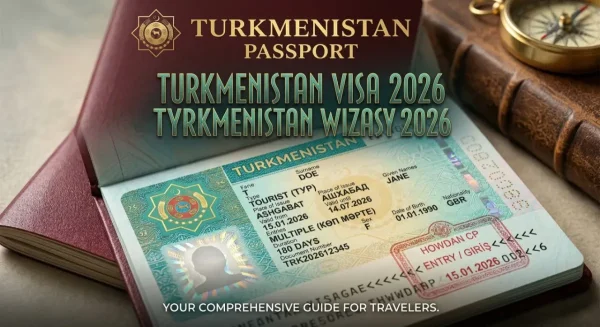
For those traveling in the region as part of combined tours (e.g., along the Silk Road), overland border checkpoints are highly relevant. Note that Turkmenistan's borders have specific operating hours and require a pre-arranged visa.
- Gaudan / Bajgiran (Iran): Located 35 km south of Ashgabat in the Kopetdag Mountains. This is the closest international crossing for travelers from Iran (Mashhad). The road is steep and winding, requiring caution.
- Farap / Alat (Uzbekistan): The main crossing point for connections with Bukhara. From the border to Ashgabat is about 600 km via Turkmenabat and Mary.
- Dashoguz / Shavat (Uzbekistan): Used by those traveling from Khiva.
Road Conditions and Driving Features
Traveling through Turkmenistan by car is a unique experience that requires preparation. The main roads connecting major cities are paved, but desert climate conditions (extreme summer heat up to +50°C) can affect the quality of the surface.
Vehicle Requirements (4x4)
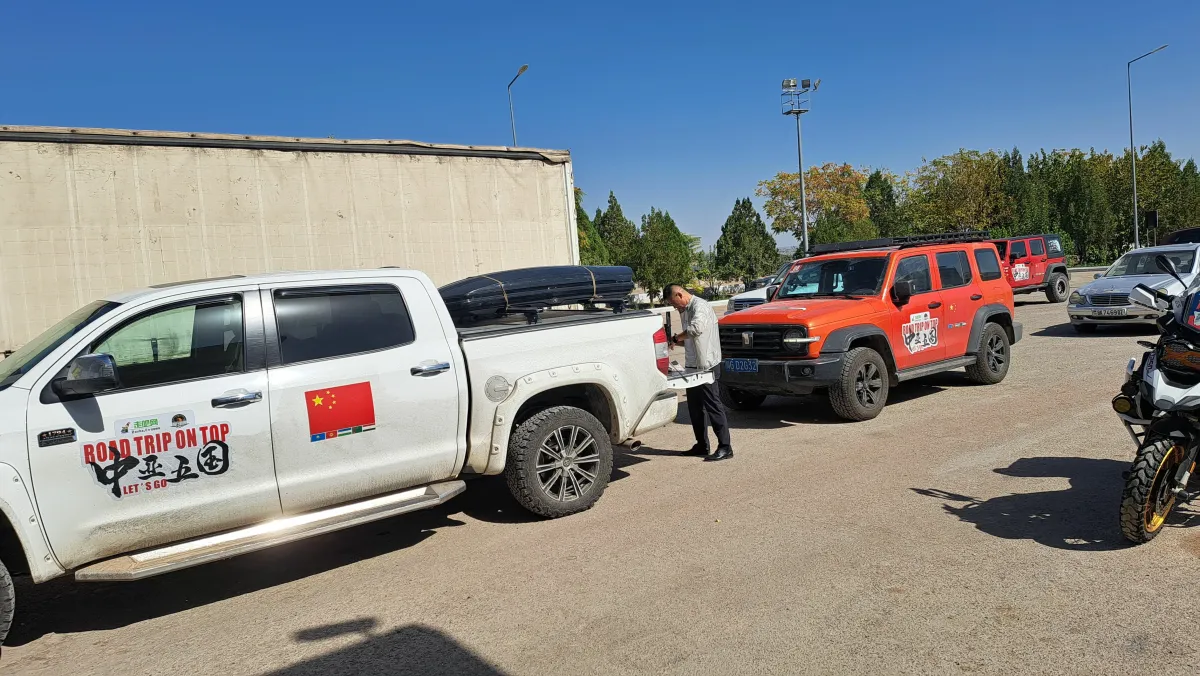
While a standard sedan is sufficient in Ashgabat itself and on major highways, using a 4x4 SUV is mandatory for visiting natural attractions outside the city.
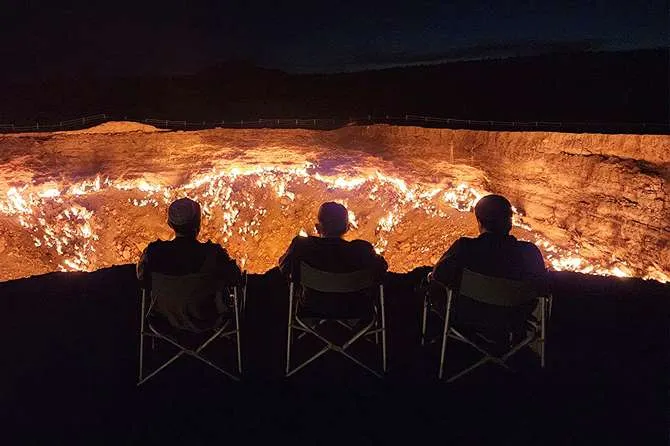
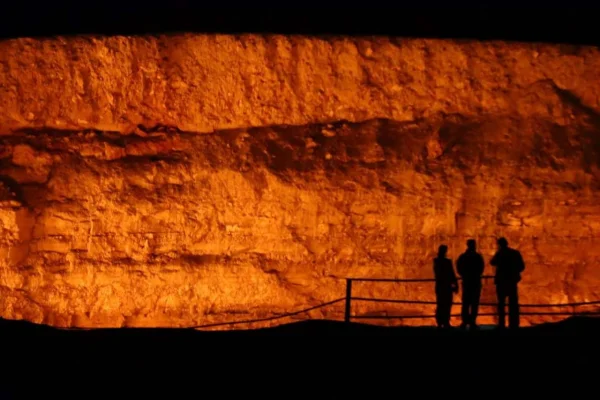
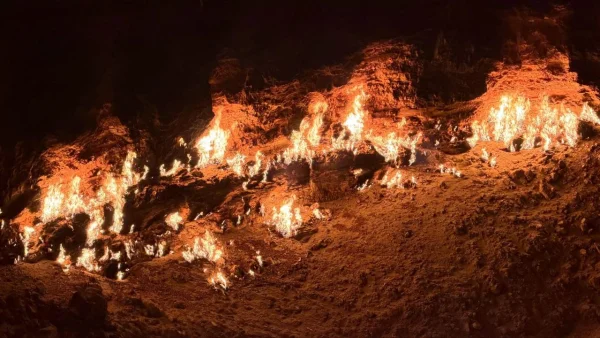
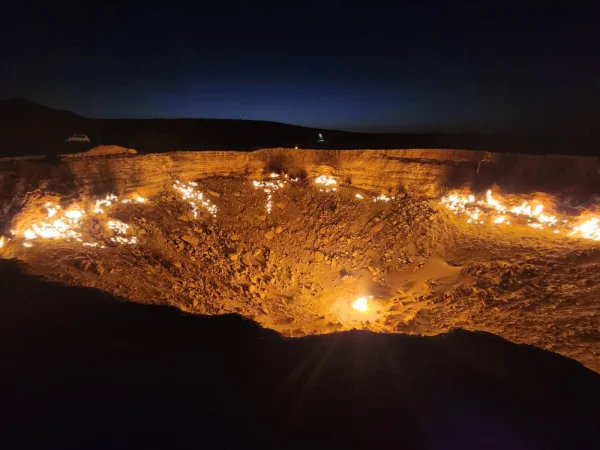
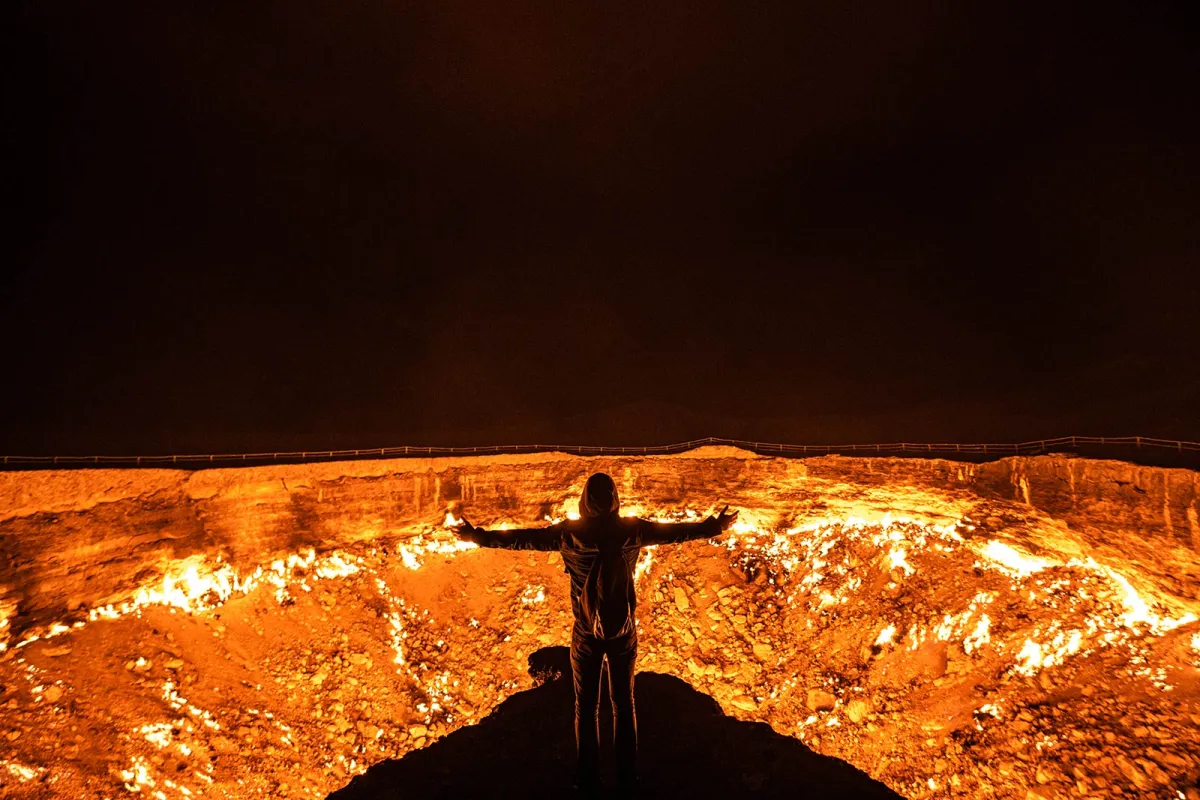
- Darvaza Gas Crater: The road from Ashgabat (about 270 km north) is paved, but the last few kilometers to the crater itself consist of loose sand, where any passenger cars will get stuck.
- Yangykala Canyon: Requires a proper four-wheel drive vehicle with high ground clearance due to rocky terrain and off-road conditions.
- Mountain villages (Nokhur): Steep climbs make a 4x4 the preferred option for safety.
Public Transport in Ashgabat
Ashgabat has one of the most modern urban transport systems in the region. The question "Ashgabat How to Get There" also applies to getting around within the city itself.
Buses
City buses are the pride of Ashgabat. They are modern, equipped with air conditioning and information displays. Routes cover all parts of the city, including remote neighborhoods and shopping centers. The fare is minimal.
Taxi
Official government taxi services (yellow in color) operate in the city, along with many private drivers. It is worth noting that hailing a passing car is a common practice in Ashgabat. However, for foreign tourists, it is recommended to book an official taxi through the hotel to ensure a fixed price and safety.
Railway Connections
Ashgabat Railway Station connects the capital with Turkmenbashi, Mary, Turkmenabat, and Dashoguz. It is an excellent alternative to cars, especially night trains with compartment cars, allowing you to save time on journeys.
Tips for Drivers and Navigation
If you decide to rent a car or are traveling with a driver-guide, keep the following rules in mind:
- Car cleanliness: There is an unwritten rule in Ashgabat — cars must be clean. A dirty car can be a reason for being stopped by the police.
- Car color: The vast majority of cars in the capital are white or light-colored. This is due to climatic conditions and the aesthetic requirements of the city.
- Checkpoints (CP): Police posts are located at the city exits and between velayats (provinces), where documents may be checked. Always keep your passport and visa with you.
- Fuel: The cost of fuel in Turkmenistan is one of the lowest in the world, but gas stations can be rare on desert highways. Always fill up a full tank before leaving the city.
Conclusion
When planning a route and exploring the topic of "Ashgabat How to Get There," it is important to consider the balance between comfort and the necessity of off-road capability. Ashgabat is a city of wide avenues and perfect asphalt, but its surroundings are a harsh desert that requires respect and reliable equipment. Use flights to arrive in the country, trains for comfortable travel between oases, and powerful SUVs to conquer the sands of the Karakum Desert.