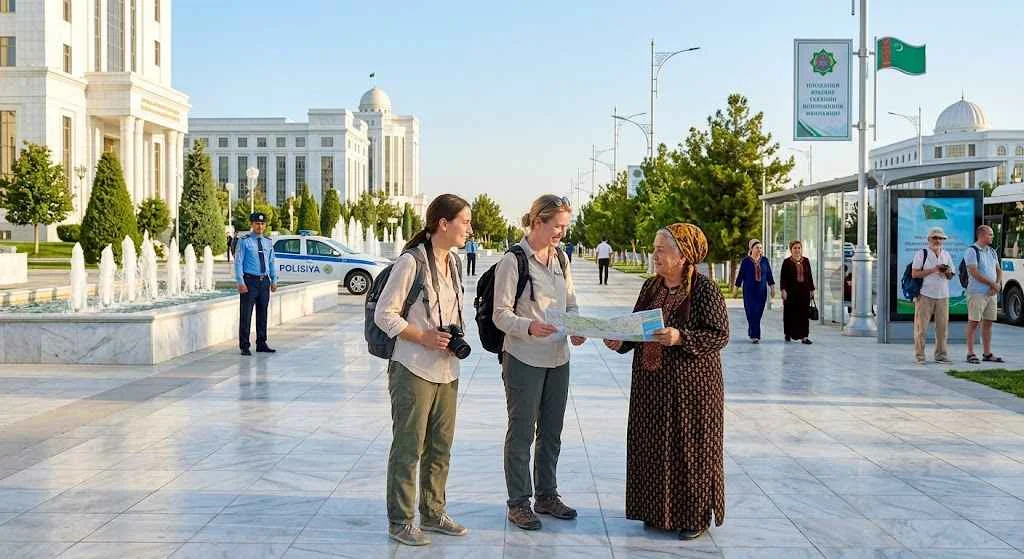
🛡️ Safety in Turkmenistan: General Situation and Statistics
When planning a trip to one of the most secluded and enigmatic countries in Central Asia, many tourists wonder: how safe is Turkmenistan? The short answer: Turkmenistan is one of the safest countries in the region with an extremely low rate of street crime. Strict law and order, respect for the law, and traditional Oriental hospitality create comfortable conditions for international visitors.
Nevertheless, the specific nature of traveling around the country requires an understanding of local laws, administrative regulations, and cultural norms. In this practical guide, we have gathered comprehensive answers to key safety questions so that your trip is as peaceful and exciting as possible.
👮 Personal Safety and Crime Rate
🌙 Is It Safe to Walk the Streets in the Evening and at Night?
The rate of violent and street crime in Turkmenistan's cities is practically zero. You can completely safely take evening walks both in the center of the capital and in provincial towns. While exploring the sights featured in our complete guide to Ashgabat, you will notice impeccable cleanliness, excellent street lighting, and a visible police presence.
Pickpocketing and petty scams occur extremely rarely, even in bustling bazaars (such as the famous Altyn Asyr Bazaar or the Teke Bazaar). Basic vigilance—not leaving your wallet and smartphone on open counters—is more than enough.
👩 Safety for Women and Solo Travelers
Female travelers and solo tourists feel completely safe in Turkmenistan. Locals treat foreigners with emphasized respect and a readiness to help. Unwanted attention, catcalling, or harassment on the streets are completely absent.
For maximum peace of mind and comfortable logistics, many choose organized itineraries, such as the 2-day Turkmenistan circular tour, where all transfers, guide services, and accommodation are planned in advance by professionals.
📷 Photography and Videography Rules: What You Need to Know
🚫 What Is Strictly Forbidden to Photograph?
This is one of the most important topics regarding compliance with the country's laws. Violating photography rules can result in a conversation with the police and a request to delete the images. It is forbidden to photograph:
- 🏛️ The Oguzkhan Presidential Palace and government complexes;
- 🪖 Military installations, equipment, and personnel in uniform;
- 🚔 Police stations and checkpoints;
- ✈️ Infrastructure of international airports, railway stations, and bridges;
- 👮 Law enforcement officers on duty.
✅ What Can You Freely Photograph?
You can freely photograph UNESCO historical sites, natural landscapes, parks, monuments, and oriental bazaars without restrictions. If you are heading out to explore ancient Merv or the majestic Yangykala Canyons, be sure to bring a camera—these locations are completely open for stunning shots. When photographing locals (especially women and children), it is considered good manners to ask for polite verbal permission.
🏜️ Safety on Nature Expeditions and in the Karakum Desert
🔥 Is It Dangerous near the Darvaza Gas Crater?
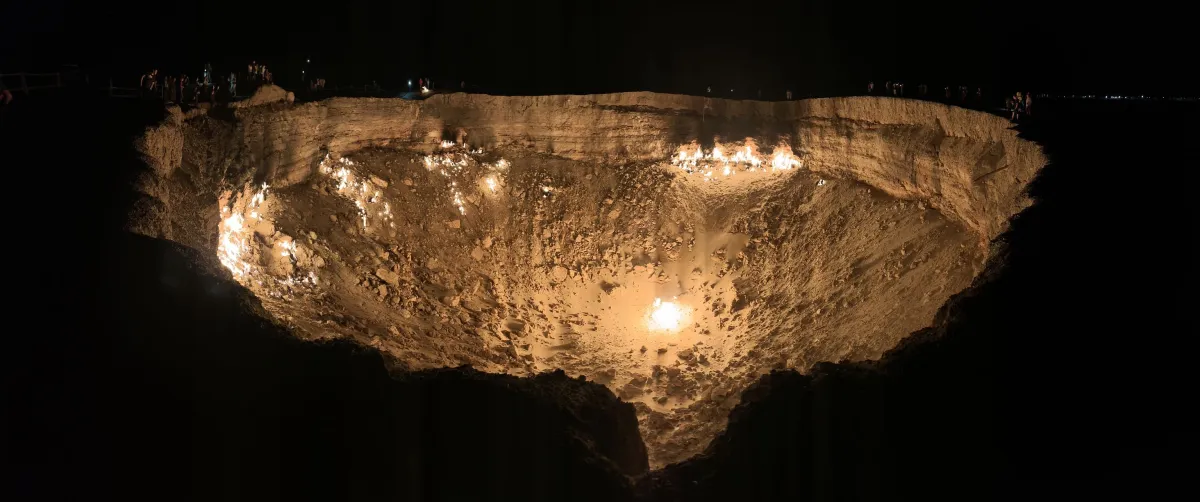
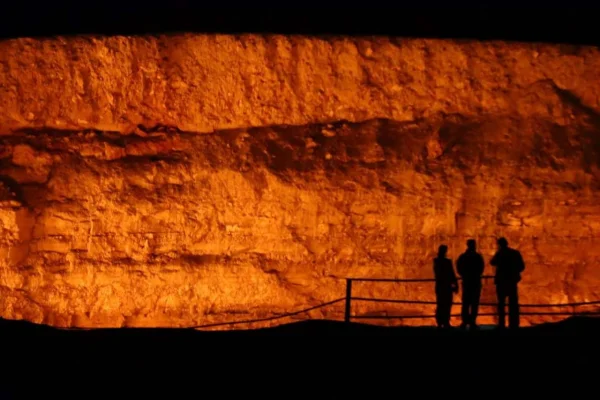
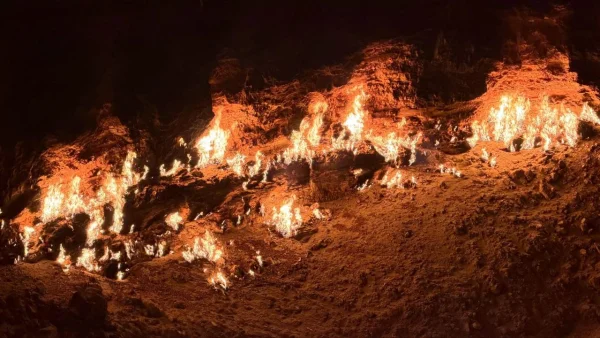
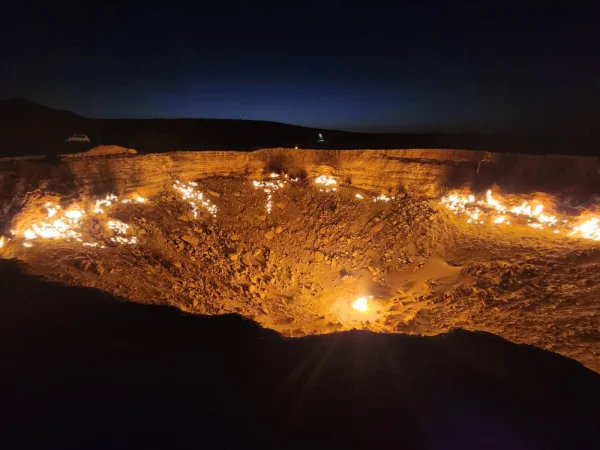
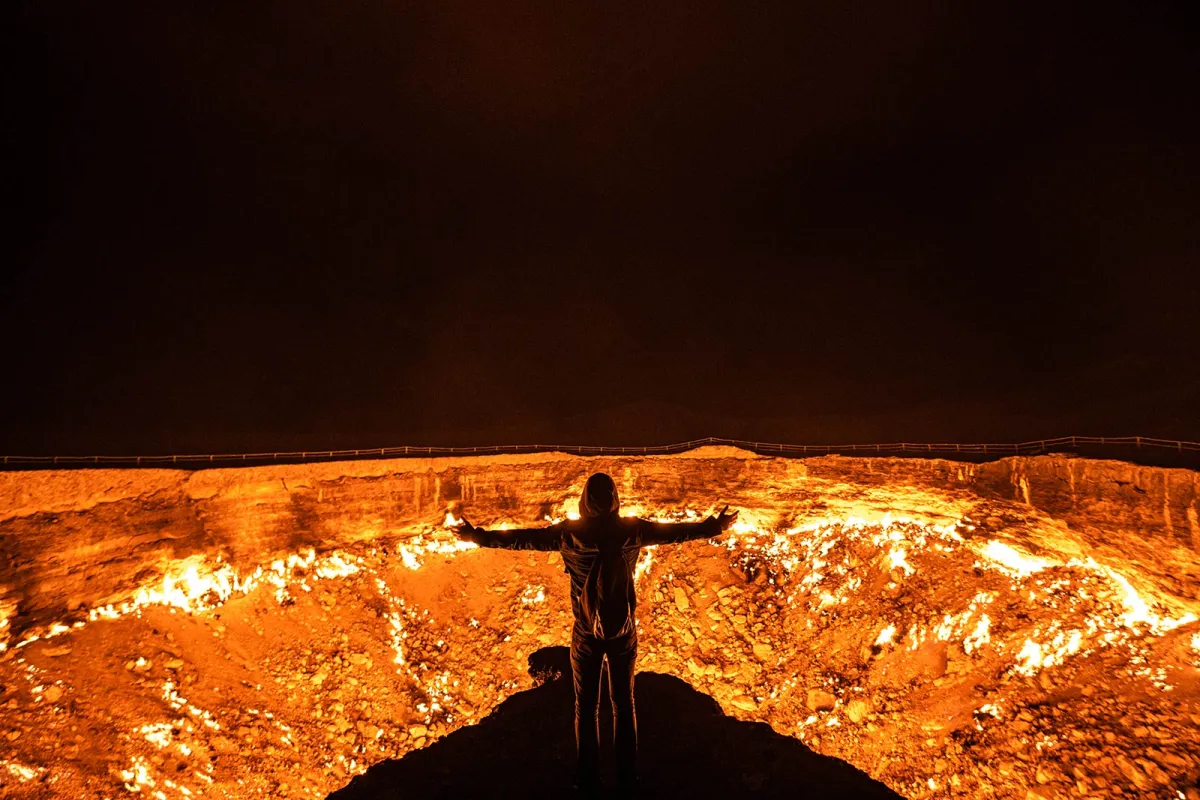
The Darvaza Gas Crater ("Door to Hell") is the country's premier natural-industrial attraction. The crater has been burning for over half a century and attracts thousands of travelers from all over the world. To make your visit safe, follow these basic rules:
- ⚠️ Do not approach the edge closely: the soil around the crater's perimeter can be loose and crumble due to the high temperature. Stay behind the protective fence.
- 💨 Watch the wind direction: hot air currents and gas combustion byproducts can irritate your respiratory tract if inhaled directly.
- 🔦 Use flashlights after dark: the area around the crater is sandy and unlit, making it easy to stumble.
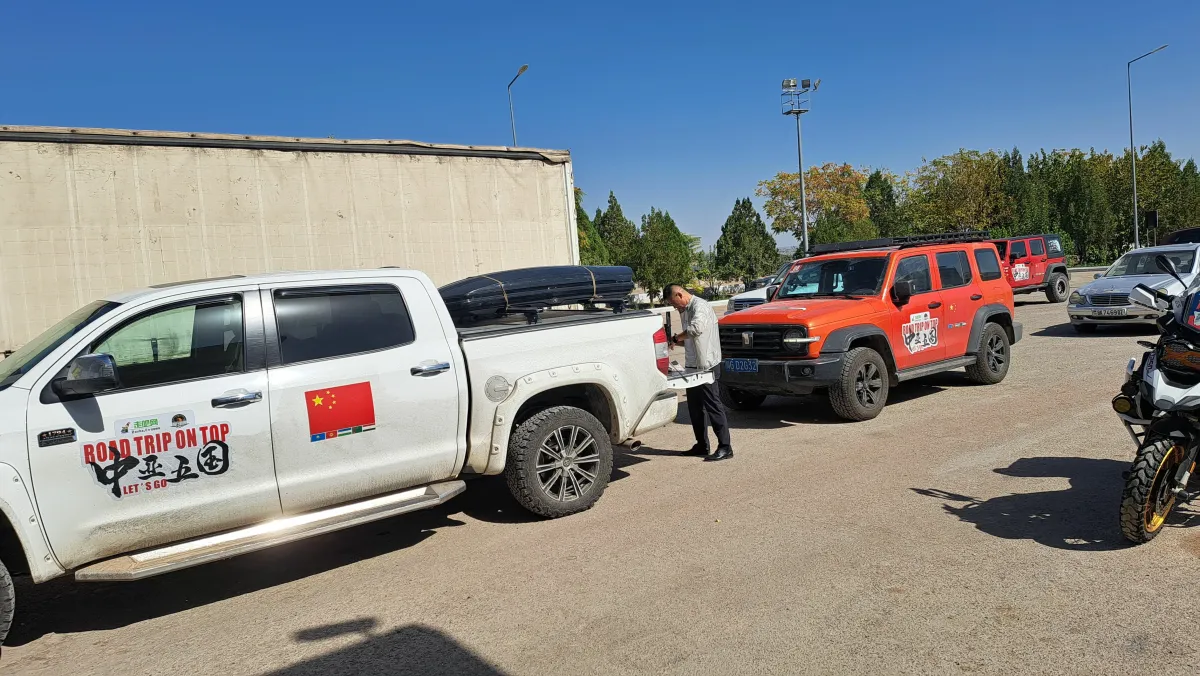
An ideal option for a safe visit is a well-planned 4-day Turkmenistan tour to Merv and the Darvaza crater in prepared 4x4 SUVs with an experienced driver and an overnight stay in comfortable traditional yurts.
🦂 Flora, Fauna, and Desert Climate
In summer, temperatures in the Karakum Desert can exceed +45°C (+113°F). The main risks in the desert are related to dehydration and heatstroke, rather than predators. During the warm season, scorpions, camel spiders (solifugae), and snakes (such as the saw-scaled viper) can be found in the sands; however, they avoid human contact and are primarily active at night. It is sufficient to wear closed shoes, check your footwear before putting it on in the morning, and avoid walking barefoot on the dunes at dusk.
🏥 Health, Medicine, and Drinking Water
🚰 Can You Drink Tap Water?
It is not recommended. For drinking, brushing teeth, and washing fruit, use exclusively commercially bottled water. It is available in any store, hotel, and café. It is also better to limit drinks with ice in small street stalls.
💉 Are Special Vaccinations Required?
No mandatory vaccination certificates are required to enter Turkmenistan. Standard travel vaccinations (Hepatitis A, Tetanus) are recommended. Be sure to purchase international travel medical insurance before your trip and pack a personal first-aid kit with your usual remedies for stomach upsets, antihistamines, and sunscreen with high SPF.
💰 Finances and Currency Exchange Rules
💳 Is It Safe to Pay with Cards?
The country's banking system is geared toward domestic cards. International Visa and Mastercard cards are accepted only in a few five-star hotels in the capital, and ATM withdrawals carry high fees and restrictions. The main rule of financial safety is to carry an adequate supply of cash in US dollars (USD) or euros. Banknotes must be new (preferably issued after 2013), crisp, and free of stamps, tears, and markings.
You should exchange currency at official bank exchange offices or hotel reception desks. If you choose a longer route, such as a 5-day tour from Ashgabat to the Uzbek border via Darvaza, calculate the amount needed for souvenirs and personal expenses in advance before leaving the capital.
👗 Cultural Etiquette, Dress Code, and Laws
👕 How Should Tourists Dress?
Turkmenistan is a secular state with deep respect for traditions. There are no strict religious clothing requirements, but adhering to a modest everyday style (smart casual) is recommended:
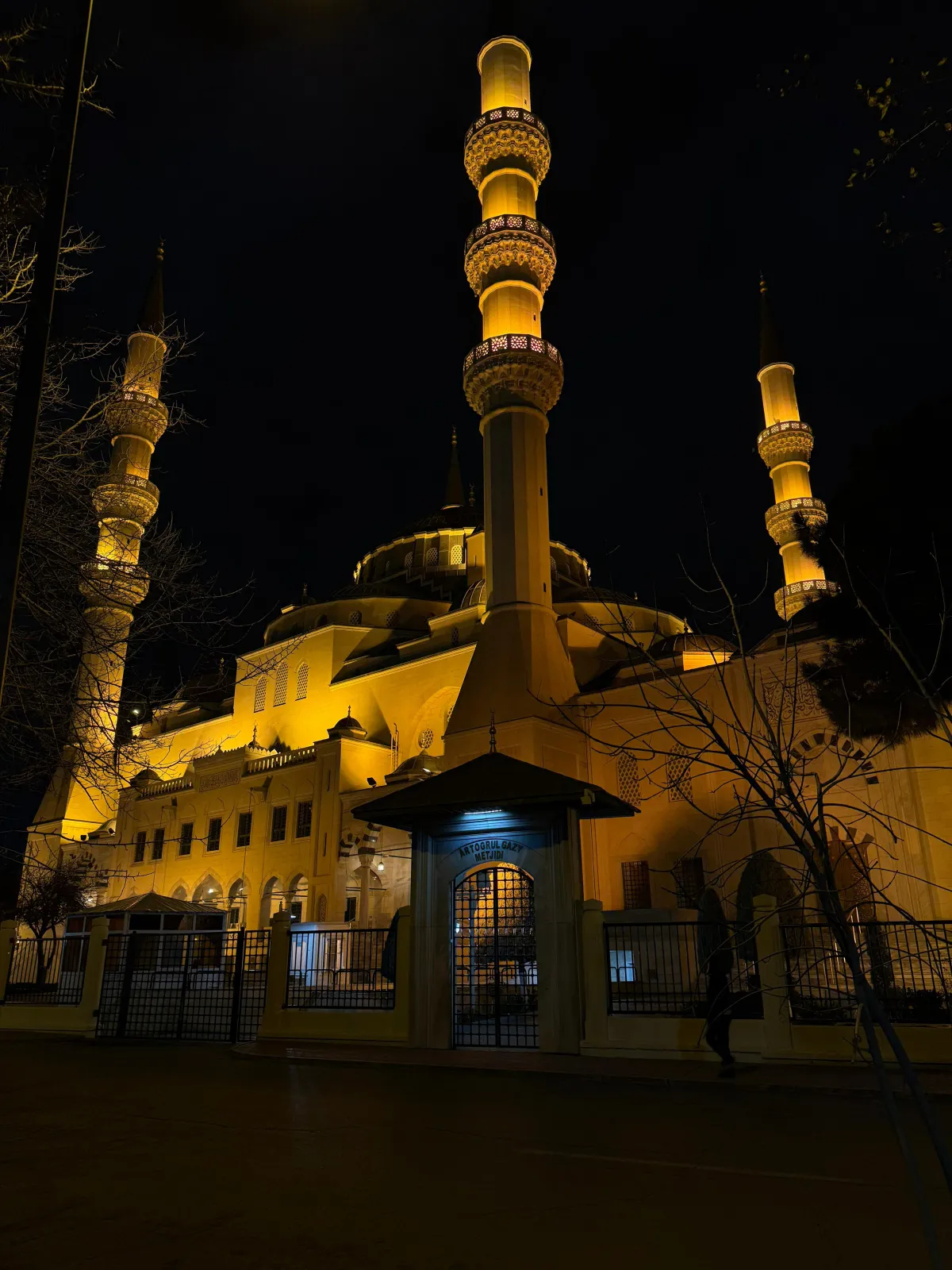
- 🕌 When visiting mosques and sacred mausoleums (e.g., in Kunya-Urgench), shoulders and knees must be covered; women need to cover their heads with a scarf.
- 👖 In cities, ultra-short shorts and revealing necklines are frowned upon, but regular T-shirts, jeans, shirts, and lightweight below-the-knee dresses are completely appropriate.
- 🚭 Smoking is permitted only in specially designated areas. Smoking while walking in public areas or littering cigarette butts is punishable by heavy fines.
- 🚫 Electronic cigarettes (vapes) are prohibited from import and circulation within the country.
🏁 Conclusion
Turkmenistan is an extraordinarily hospitable and peaceful destination. Respecting basic local customs, exercising mindfulness when taking photos, and choosing a licensed tour operator will ensure that your trip leaves only vivid and positive memories.