🛡️ Is Turkmenistan Safe for Tourists? Main Overview
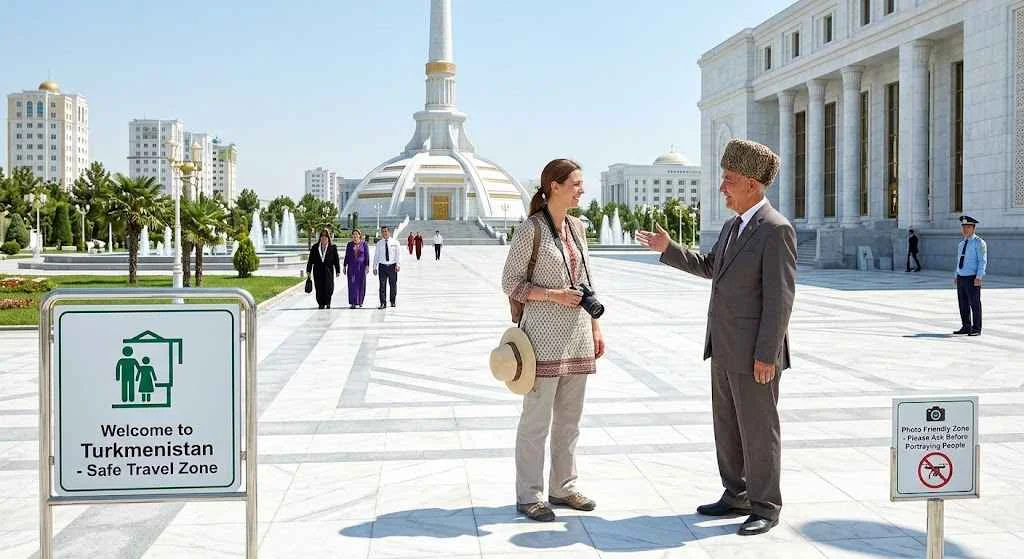
The question "is Turkmenistan safe?" is one of the most frequent among travelers planning a trip to Central Asia. Due to specific visa regulations and the country's closed status, many myths surround it. However, the reality is a pleasant surprise: in terms of personal safety, street crime rates, and hospitality toward foreigners, Turkmenistan is one of the safest countries not only in the region, but in the world.
Violent crime is virtually non-existent here, an exemplary order reigns on city streets, and the local population is brought up in centuries-old traditions of Oriental hospitality and respect for guests. Nevertheless, traveling in Turkmenistan has its own unique features related to local laws, cultural norms, the harsh climate of the Karakum Desert, and travel regulations.
👮 Crime Rates and Personal Safety
Street crime rates in Turkmenistan's cities are close to zero. You can safely stroll through Ashgabat, Turkmenabat, or Mary at night without fearing for your safety. Pickpocketing and scams are extremely rare even in oriental bazaars, although basic vigilance with personal belongings and documents in crowded places is always advisable.
- 🚫 Violent crime: extremely rare. Foreign tourists enjoy a special status and respect.
- 👛 Petty theft: occurs in isolated cases at markets, but the overall level of honesty among vendors and locals is very high.
- 👮♂️ Law enforcement: there is a sufficient police presence on city streets, especially in the capital, ready to assist in emergency situations.
⚖️ Laws, Regulations, and Taboos: What Foreigners Need to Know
The main nuance of safety in Turkmenistan lies not in criminal threats, but in complying with state laws and administrative regulations. Ignorance of local rules can lead to misunderstandings with law enforcement, fines, or deportation.
📷 Photography and Videography Rules
Strict restrictions apply to photography and videography of certain objects in Turkmenistan:
- 🚷 Strictly prohibited to photograph: government buildings, presidential residences, military facilities, police officers and border guards, checkpoints, as well as the interiors of airports and railway stations.
- 🚁 Drone photography: importing and operating quadcopters and unmanned aerial vehicles without special government permission is strictly prohibited. The drone will be confiscated at customs.
- 🙋 Photographing people: local residents, especially women and the elderly, are friendly, but always ask for polite permission ("May I take a photo?") before taking portraits at a bazaar or on the street.
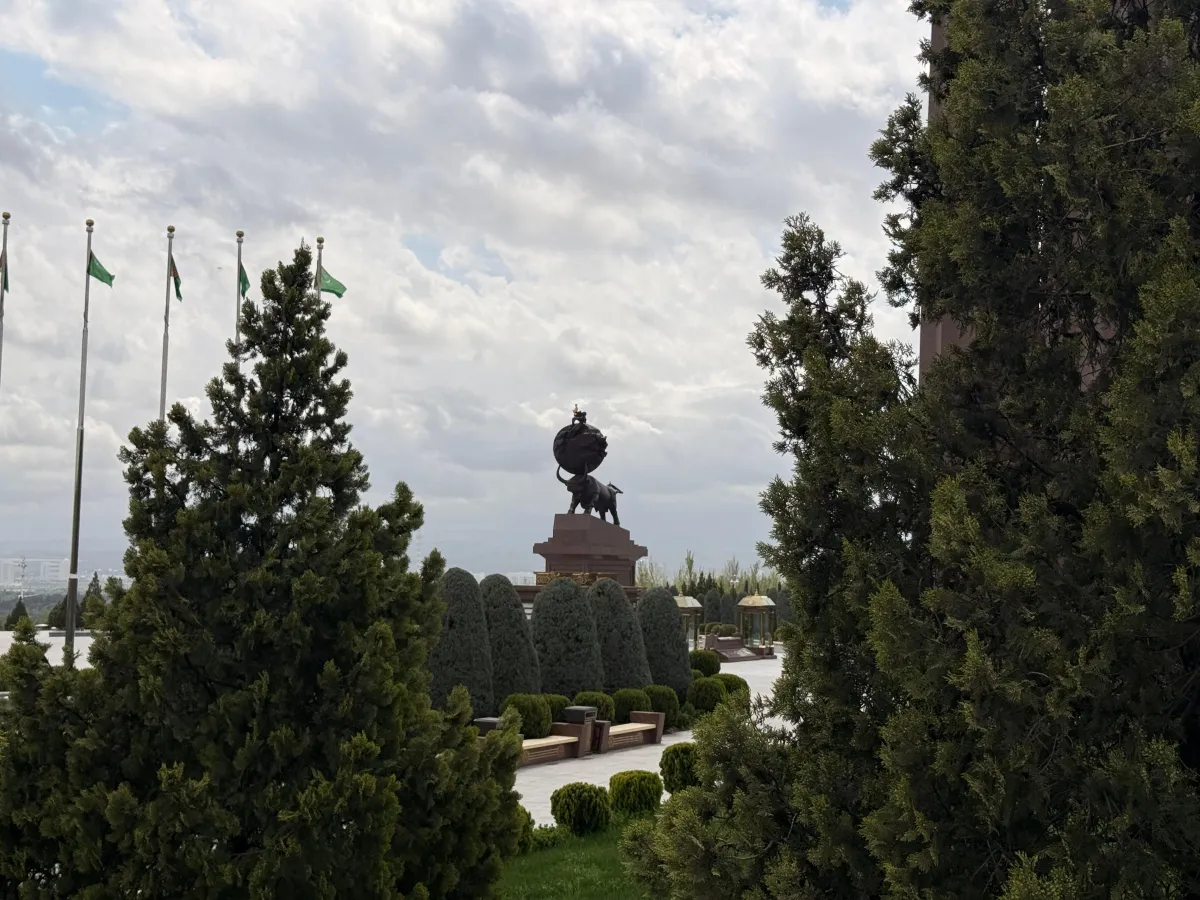
If you want to explore the capital's architectural masterpieces in detail while adhering to all regulations, check out our guide to Ashgabat: A Complete Guide to the World's Most White-Marble Capital, which outlines the rules for visiting monuments.
🚭 Smoking, Alcohol, and E-Cigarettes
Turkmenistan implements a strict state policy on public health protection:
- 🚬 Smoking tobacco products is permitted only in designated areas. Smoking on streets, in parks, and in public venues carries heavy fines.
- ❌ The import, sale, and use of electronic cigarettes (vapes) and hookahs are strictly prohibited. Do not attempt to bring vaping liquids or devices into the country.
- 🍷 Consuming alcohol in public places is forbidden. Alcoholic beverages can be ordered in licensed restaurants, cafes, and hotel bars.
🌙 Night Walks and Curfew
There is no formal curfew for tourists during ordinary times; however, after 11:00 PM, most restaurants, shopping malls, and parks close, and the streets become empty. It is recommended to return to your hotel before midnight to avoid unnecessary document checks by night patrols on the streets.
👩 Safety for Women and Solo Travelers
Turkmenistan is a secular state where women have equal rights and actively participate in all spheres of public life. Solo female travelers feel comfortable and safe here.
- 🙅 Unwanted attention: instances of verbal harassment or physical stalking on the streets are virtually unheard of. Men treat foreign women with utmost politeness.
- 👗 Dress code: there is no mandatory requirement to wear a headscarf or cover the face in cities. Standard, modest everyday attire (trousers, jeans, T-shirts, dresses of modest length) is suitable for casual walks. Overly revealing outfits (deep necklines, ultra-short shorts) should be avoided out of respect for local culture.
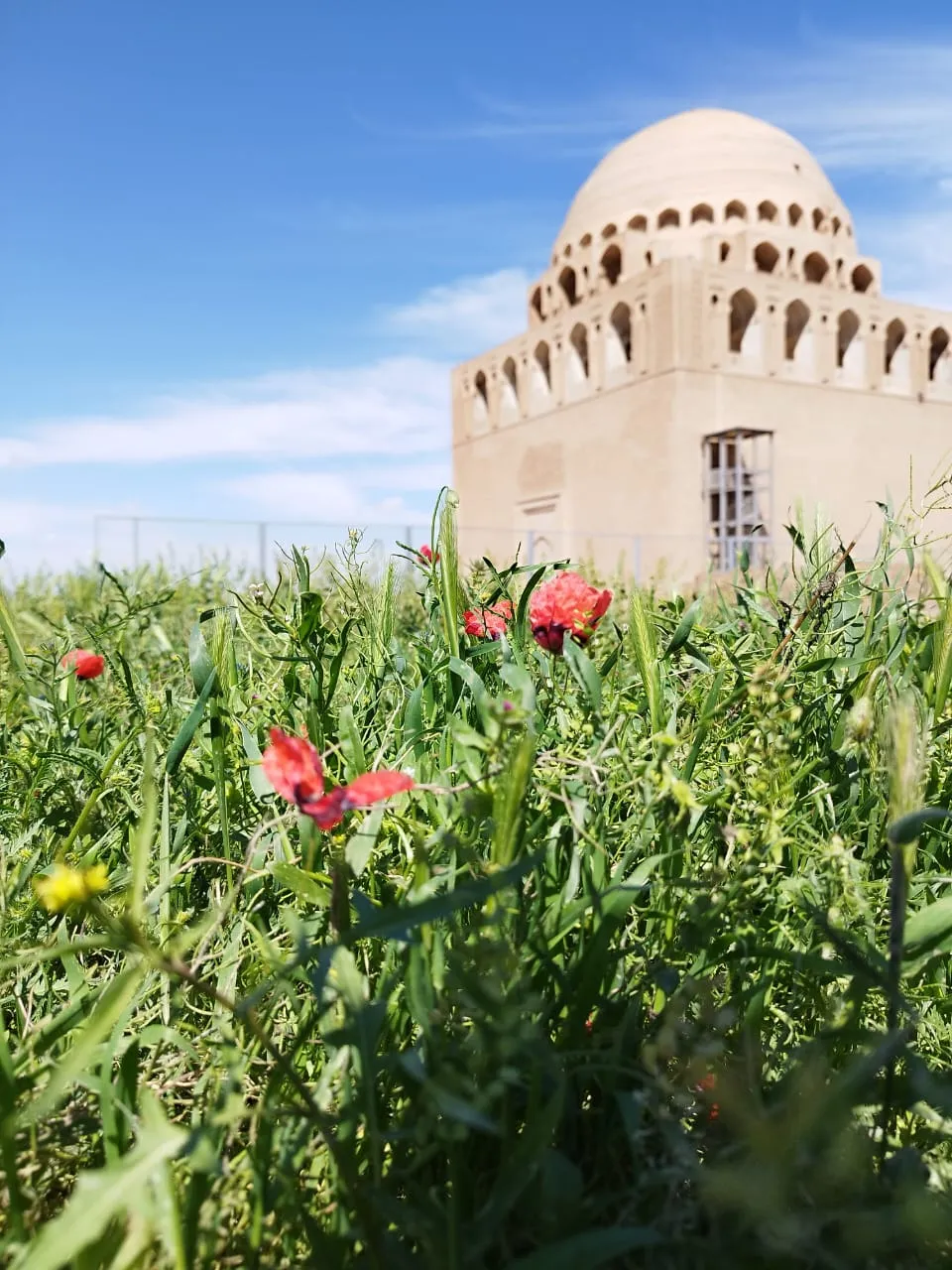
- 🕌 Religious sites: when visiting active mosques, mausoleums, and pilgrimage sites, women are required to cover their heads with a scarf and wear clothing covering their shoulders and knees. Men are also advised not to enter sacred places wearing shorts.
When visiting traditional mountain villages, such as the one described in the article Nokhur: A Complete Guide to the Lost World in the Kopet Dag Mountains, it is advisable to maintain modest dress and conduct, ensuring an incredibly warm and hospitable welcome.
🏥 Health, Hygiene, and Medical Safety
The epidemiological situation in Turkmenistan is stable, and no mandatory vaccinations are required prior to entry. Nevertheless, to ensure your well-being, it is essential to take climatic and hygienic considerations into account.
💧 Water Quality and Food
- 🚰 Drinking water: tap water is not recommended for drinking. Always purchase bottled factory-sealed water for drinking and brushing teeth.
- 🍲 Food and street cuisine: traditional Turkmen cuisine is rich in meat (lamb, beef), pastries (chorek, somsa), and plov (pilaf). Dishes in restaurants and cafes are prepared from fresh natural ingredients. If you have a sensitive stomach, introduce rich meat dishes gradually and wash your hands before eating.
☀️ Climate Risks and the Karakum Desert
In summer (from June to August), temperatures in the Karakum Desert can exceed +45°C (+113°F). The main risks are heat stroke and dehydration. During the hot season, always wear a hat, sunglasses with reliable UV protection, apply sunscreen, and drink at least 2.5–3 liters of water per day.
💊 First Aid Kit and Medical Insurance
Be sure to obtain international medical travel insurance prior to your trip. It is recommended to carry a personal first aid kit with basic medications (fever reducers, antihistamines, sorbents, band-aids). Note: certain strong sedatives and painkillers (containing codeine, tramadol, pseudoephedrine) are strictly prohibited from import without a doctor's prescription accompanied by a notarized translation.
🚗 Road Safety and Desert Expeditions
The road network connects all major regions of Turkmenistan. Intercity highways are mostly paved, although some sections may have uneven surfaces. City traffic in Ashgabat is strictly regulated by speed cameras and police, ensuring speed limits are strictly adhered to.
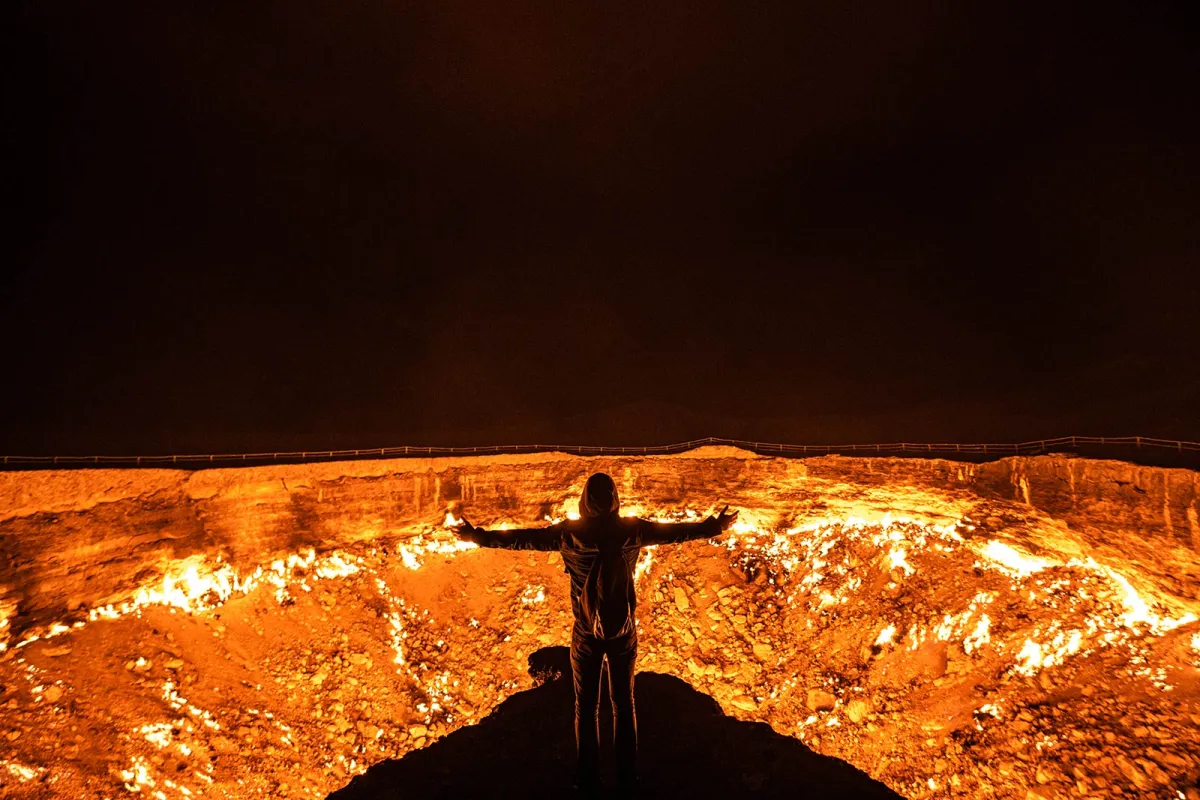
When traveling to remote natural areas—such as the Darvaza gas crater or scenic canyons—safety requires professional preparation:
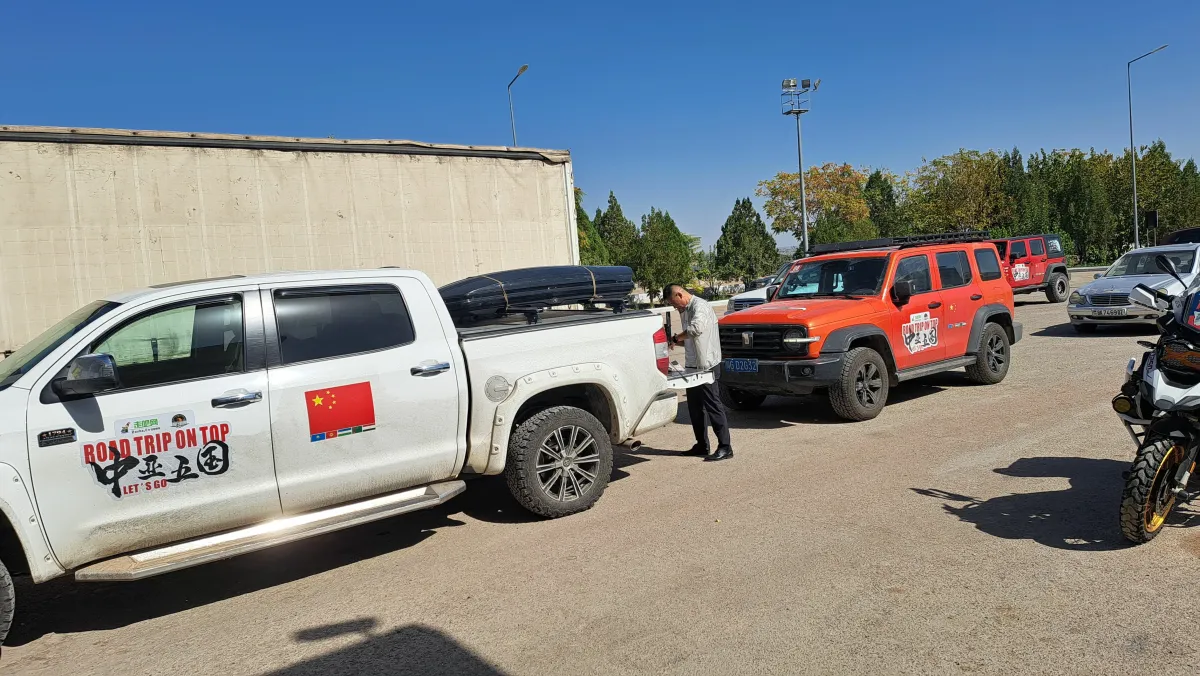
- 🚙 4x4 Vehicles: traveling across sand dunes and rocky plateaus must be conducted exclusively in prepared four-wheel-drive off-road vehicles with experienced drivers.
- 📡 Communication and navigation: there is no mobile coverage deep in the desert. Experienced guides always carry supplies of water, fuel, a spare tire, and satellite communication devices.
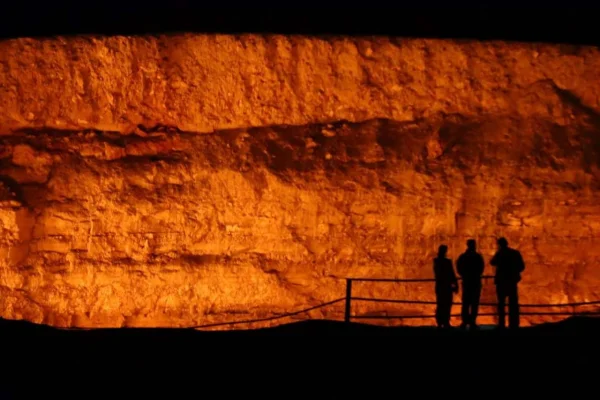
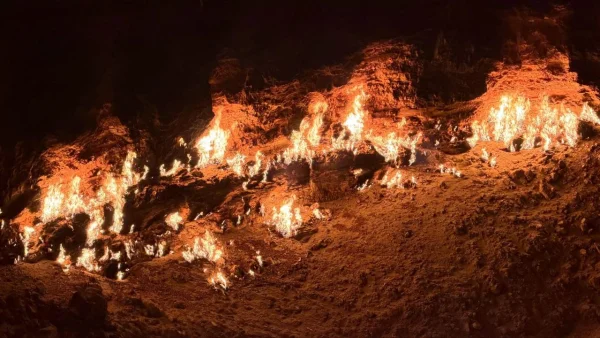
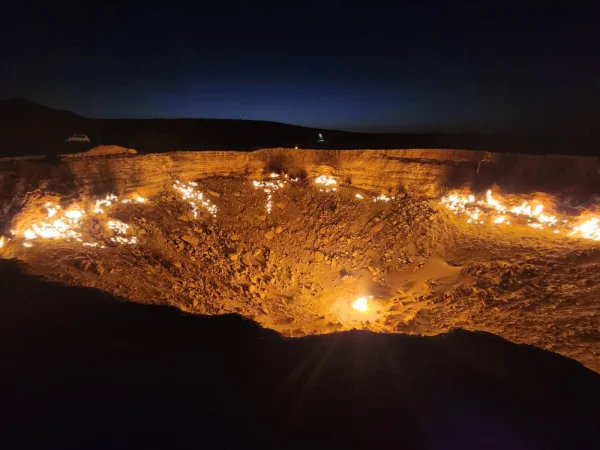
- 🔥 Darvaza Gas Crater: there are no safety railings around the edge of the crater. The ground around the perimeter can crumble, and updraft temperatures are extremely high. Keep a safe distance from the edge (at least 1–2 meters) and pay attention to wind direction to avoid inhaling combustion fumes.
The ideal way to safely explore these legendary sights is to choose an organized 4-Day Turkmenistan Tour: Ashgabat, Ancient Merv, and Darvaza Gas Crater accompanied by certified guides and reliable drivers.
🏞️ Natural Wonders and Remote Expeditions
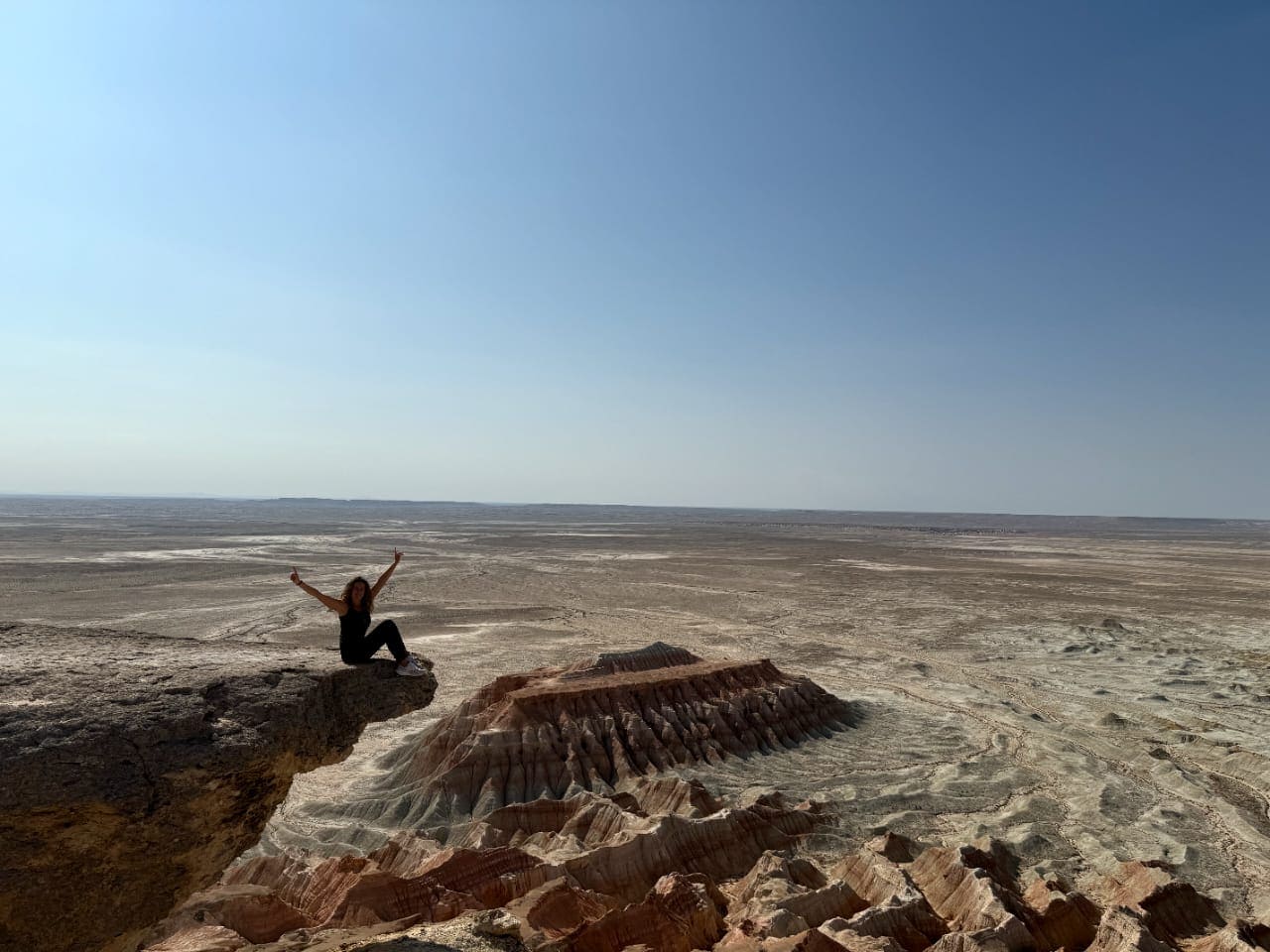
Turkmenistan is famous for its otherworldly landscapes, from the ancient ruins of the Silk Road to fantastical gorges. When traveling to natural landmarks such as the Ustyurt Plateau and Yangykala Canyons: Pink Mountains and the Breathtaking Nature of Turkmenistan, remember safety precautions on cliffs and heights: strong wind gusts require caution while taking photos.
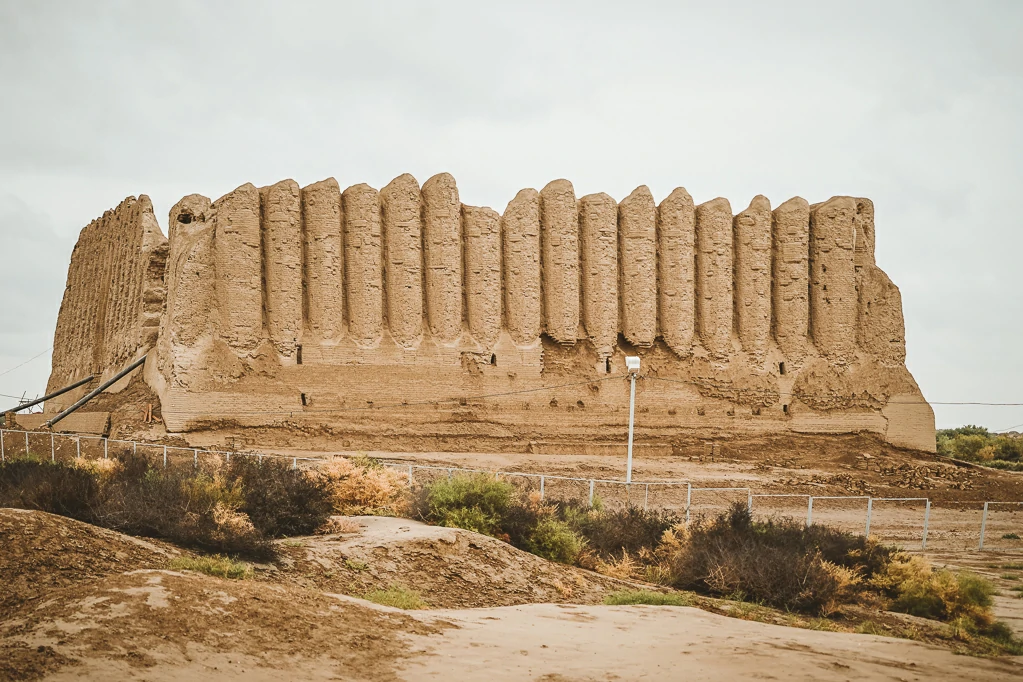
When exploring ancient monuments such as Ancient Merv, it is recommended to wear comfortable closed-toe trekking shoes, as the expansive archaeological site features thorny bushes and uneven terrain.
💰 Money, Finances, and Payment Safety
Turkmenistan's financial system has distinct peculiarities that you should be aware of in advance:
- 💵 Cash: Turkmenistan remains predominantly a cash-based economy for foreign tourists. Bring a sufficient supply of cash in US Dollars (USD) or Euros (EUR). Banknotes should be crisp, newer series (preferably issued after 2013), clean, and free of stamps, tears, or pen marks.
- 💳 Bank cards: international Visa and Mastercard cards are accepted only at select major five-star hotels in Ashgabat. ATMs for withdrawing cash using foreign cards are virtually unavailable.
- 🏦 Currency exchange: exchange currency only at official exchange offices in banks and hotels. Street currency exchange is illegal.
📶 Digital Safety, Internet, and Mobile Connectivity
Internet access in the country is subject to technical limitations. Some popular international social networks and messengers may be inaccessible without special configurations.
- 📱 Connectivity: the national mobile operator TM CELL (Altyn Asyr) operates in the country. Foreign nationals can purchase a tourist SIM card with a passport at official mobile stores or at the airport.
- 📡 Wi-Fi: wireless internet is available in most capital hotels, though connection speeds may be moderate.
- 💡 Tip: download offline maps in advance (such as Maps.me or Organic Maps), save copies of all tickets, bookings, and documents on your phone, and inform relatives that you may periodically be out of cellular coverage.
🛂 Transit and Land Border Crossings
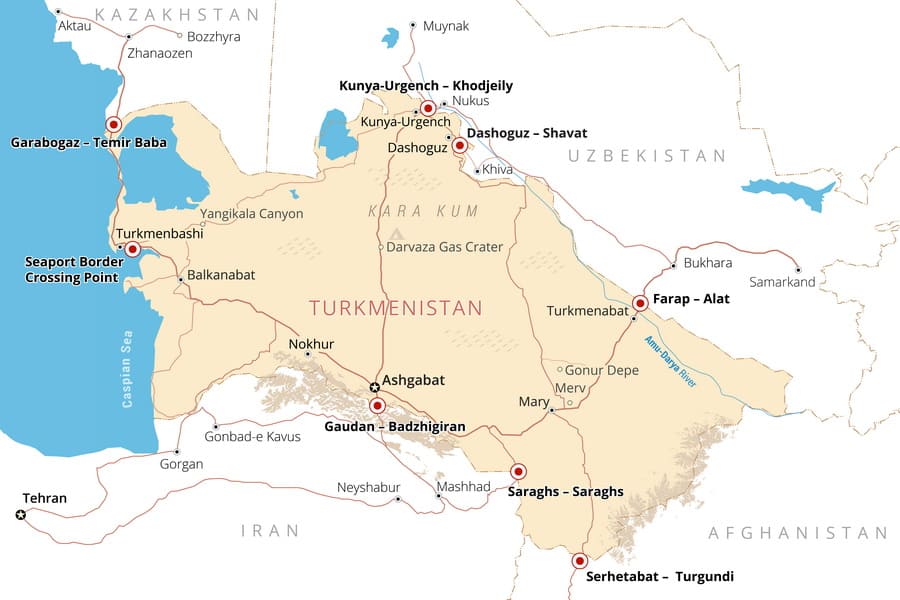
Many tourists visit Turkmenistan as part of a grand Silk Road journey, crossing land borders with Uzbekistan (Shavat, Farap, Khodjeyli) or Iran (Gaudan/Bajgiran). Border crossings are safe but require patience and attention to travel documents.
If you are planning a cross-border itinerary, consider thoughtfully arranged programs such as the 5-Day Turkmenistan Highlights Transit Tour from Khiva to Bukhara or a quick route with the 1-Day Transit Tour to Kunya-Urgench from Khiva to Khiva or Nukus, where all transfers and border formalities are handled by a professional team.
🚨 Emergency Contacts and Safety Checklist
Save these essential phone numbers in case of unforeseen circumstances:
| Service | Number |
|---|---|
| 🚒 Unified Emergency / Fire Service | 01 |
| 👮 Police | 02 |
| 🚑 Ambulance / Medical Emergency | 03 |
| ☎️ Turkmenistan International Dialing Code | +993 |
✅ Travel Safety Checklist
- Always carry the original passport with your Turkmen visa and migration registration slip (or a clear photocopy if the original is stored in the hotel safe).
- Do not photograph facilities with warning signs or security personnel.
- Drink only bottled water and protect yourself from the midday sun.
- Keep cash in a money belt or secure hidden pocket.
- Travel across the desert and remote regions only with a certified guide and a reliable driver.
🏁 Conclusion
Turkmenistan is one of the calmest, most stable, and safest countries in the world to visit. Following simple rules of respect for local traditions, laws, and natural elements will allow you to enjoy authentic culture, fantastic architecture, and unforgettable landscapes with complete peace of mind.