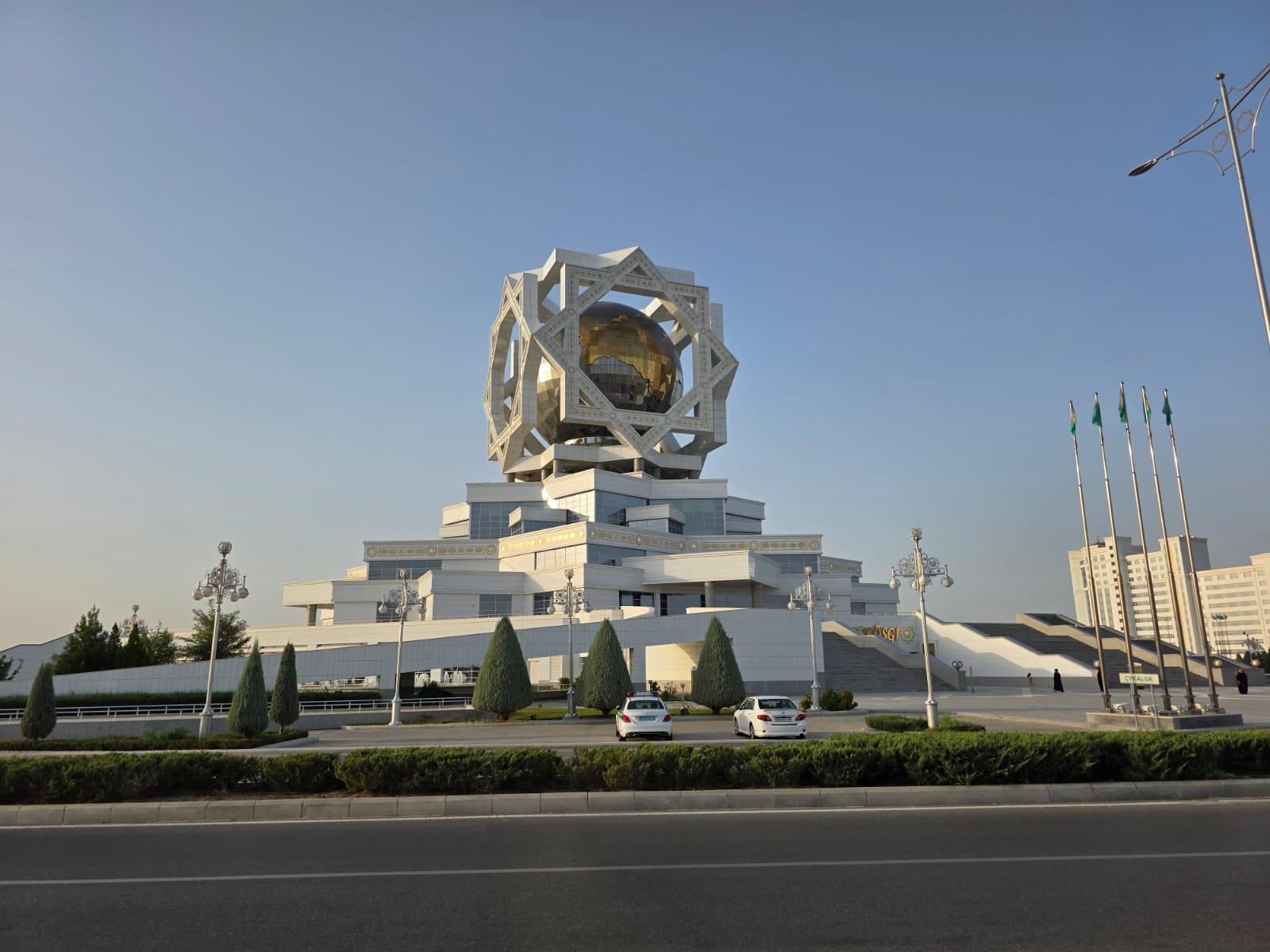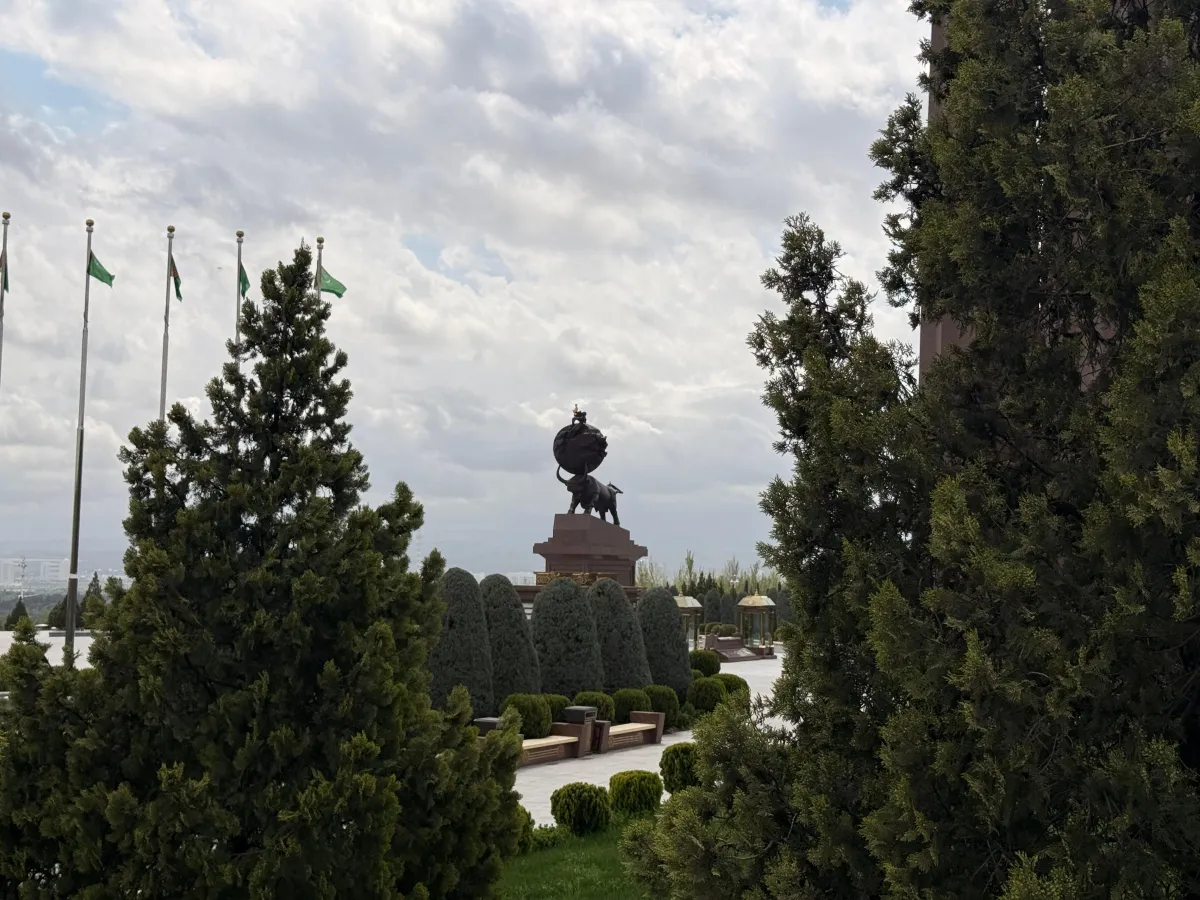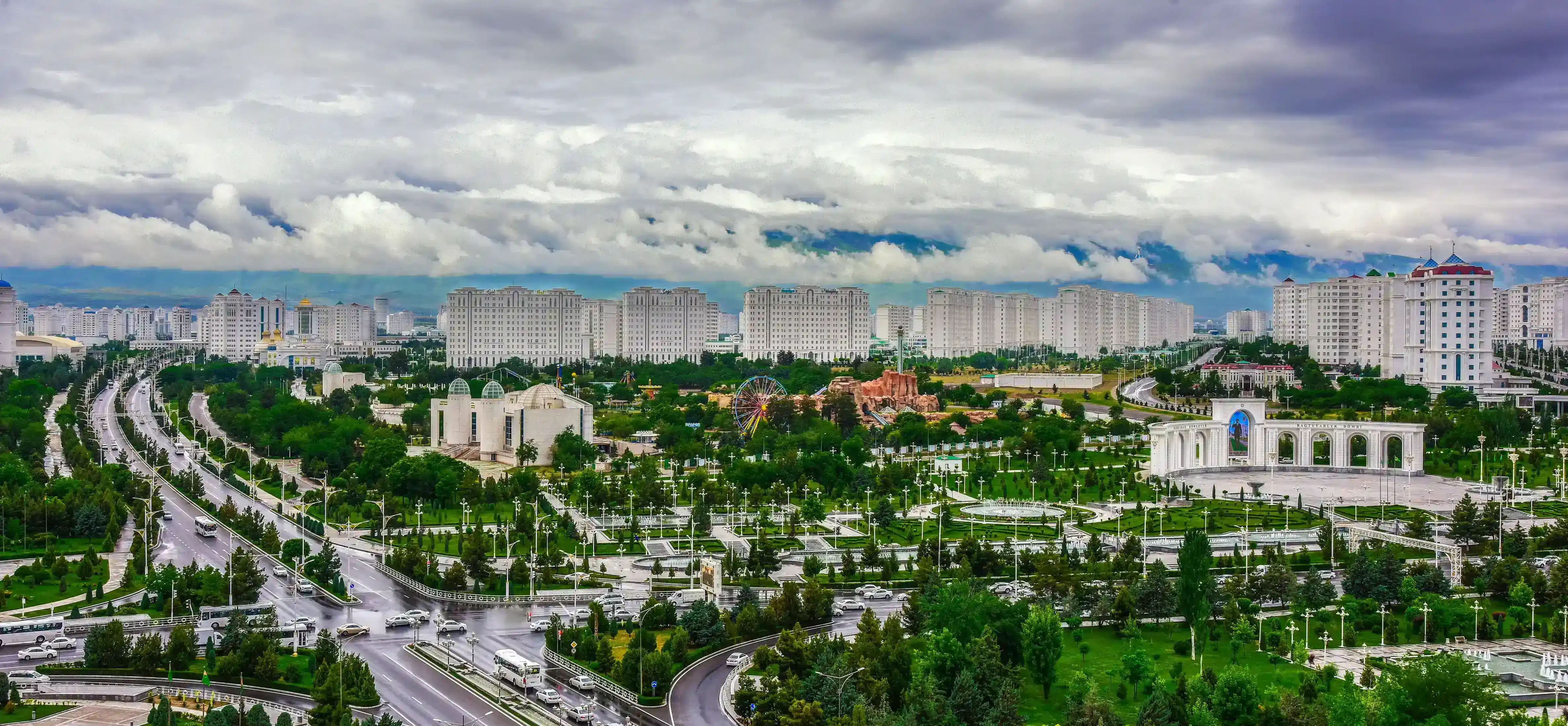
Ashgabat, the gleaming capital of Turkmenistan, is often described as a city like no other. Known for its record-breaking density of white marble buildings and its futuristic, impeccably clean streets, it offers a travel experience that is as surreal as it is fascinating. However, because Turkmenistan remains one of the world’s most isolated and regulated countries, traveling here involves navigating a unique set of rules. For the modern traveler, understanding the 'Ashgabat Safety & Travel Tips' is not just about staying safe—as the city has a remarkably low crime rate—but about ensuring compliance with local regulations to avoid unnecessary complications with authorities.
General Safety and Crime in Ashgabat
In terms of conventional crime, Ashgabat is one of the safest cities in Central Asia. Violent crime is extremely rare, and even petty crimes like pickpocketing or bag snatching are significantly less common than in major European or American cities. This is largely due to the heavy police presence and a culture that emphasizes order and respect. You can generally walk around the central areas of the city at night without fear for your physical safety.
However, safety in Turkmenistan is defined by your adherence to the law. The 'safety' here is administrative. To remain 'safe' in the eyes of the law, you must carry your identification at all times, adhere to local curfews, and respect the strict visual and social boundaries set by the government. Travelers who follow the rules will find the local population to be incredibly hospitable and the environment remarkably tranquil.
Essential Emergency Contact Numbers
Before you step out of your hotel, it is vital to have the local emergency numbers saved. While many hotel staff members speak basic English, most emergency dispatchers will speak Turkmen or Russian. It is always helpful to have your guide’s number as the primary point of contact for any emergency, as they can facilitate communication with local services.
- Fire Department: 01
- Police: 02
- Ambulance/Medical Emergency: 03
- Gas Emergency: 04
If you are using an international roaming SIM, you may need to dial the country code (+993) and the city code (12) for Ashgabat, though local short codes usually work on the local network.
Navigating Police Interactions and Documentation
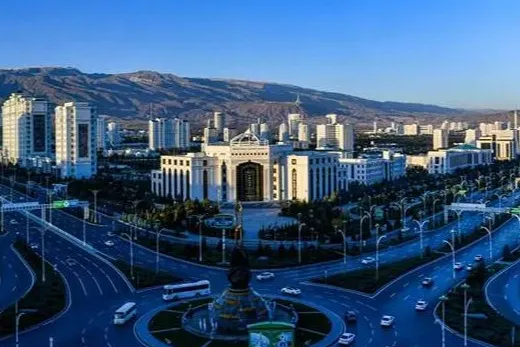
One of the first things you will notice in Ashgabat is the high number of police and security personnel on nearly every street corner. Their primary role is to maintain order and monitor the many government buildings that dominate the skyline. Interactions with the police are usually straightforward if you have your documents in order.
The Importance of Carrying Documents
Always carry your original passport and your immigration card (which you receive upon entry). While it may feel safer to keep your passport in the hotel safe, local law requires foreigners to be able to identify themselves immediately. If stopped, remain polite and calm. Police may ask to see your visa or ask which hotel you are staying at. If you are with an official guide, they will handle most of these interactions for you.
Curfews and Movement Restrictions
Ashgabat has an unofficial but widely observed curfew. Generally, by 11:00 PM, the streets become very quiet, and most restaurants and bars close their doors. While it is not strictly illegal to be outside after this time, you are much more likely to be stopped and questioned by police. For a hassle-free trip, it is highly recommended to return to your accommodation by 11:00 PM.
Strict Photography Restrictions
Photography is perhaps the most sensitive area for tourists in Turkmenistan. Ashgabat is a city of stunning architecture, but many of its most beautiful buildings are off-limits to cameras. Violating these rules can lead to your memory card being confiscated, your photos being deleted, or in extreme cases, detention and questioning.
Where You CANNOT Take Photos
- Government Buildings: Any building with a green roof, ministries, and the Presidential Palace.
- Military and Police: Never photograph checkpoints, soldiers, or police officers.
- Infrastructure: This includes the airport (interior), train stations, bridges, and tunnels.
- The Bazaar: While the Gulyustan (Russian) Bazaar is iconic, be very discreet. Some vendors enjoy the attention, but security guards may stop you if they see professional-grade equipment.
Where You CAN Take Photos
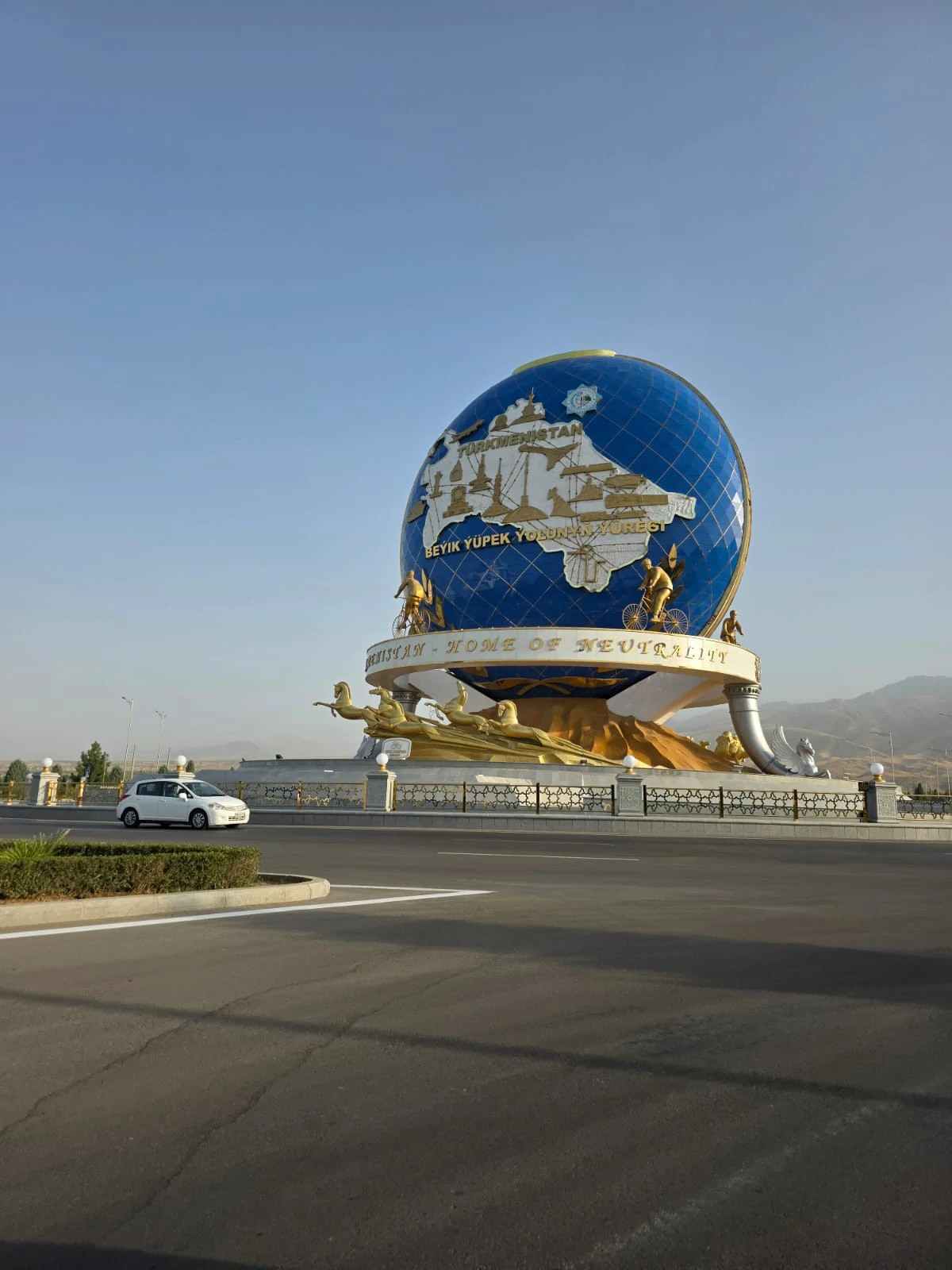
Tourist landmarks like the Independence Monument, the Neutrality Arch, and the Halk Hakydasy Memorial Complex are generally open for photography, though security guards may still direct you away from specific angles. When in doubt, always ask your guide: "Možno?" (Can I?). If you are traveling without a guide in the city, look for signs or observe if locals are taking photos. Usually, if a soldier waves their hand at you, it means 'no photos'—put your camera away immediately and do not argue.
Guided Tour Compliance and Travel Regulations
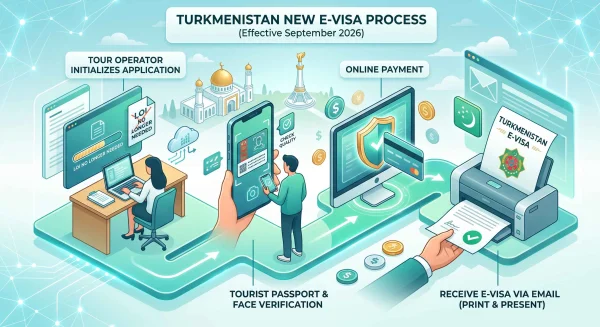
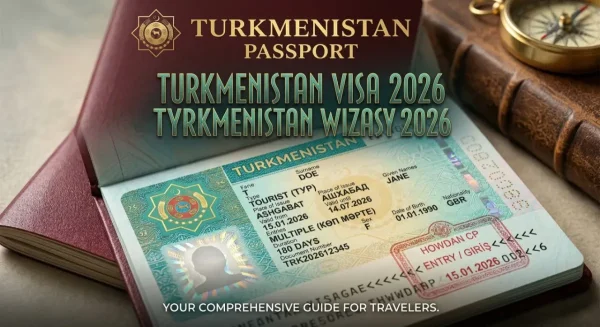
Most travelers enter Turkmenistan on a tourist visa which requires an official Letter of Invitation (LOI) and the services of a licensed travel agency. Compliance with the terms of your visa is the most critical part of your safety and legal standing in the country.
The Role of the Guide
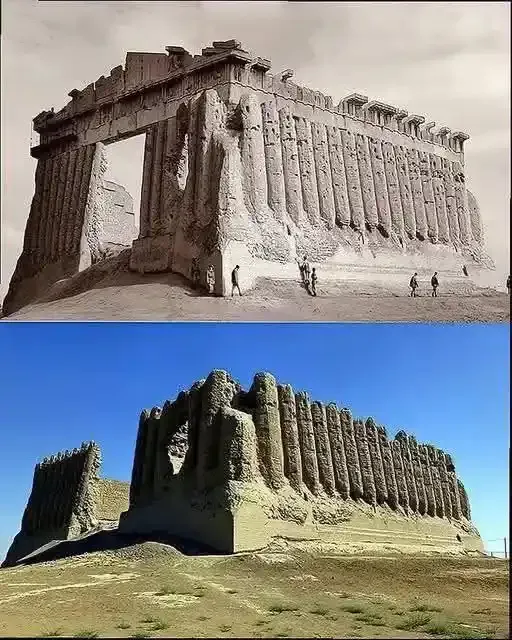
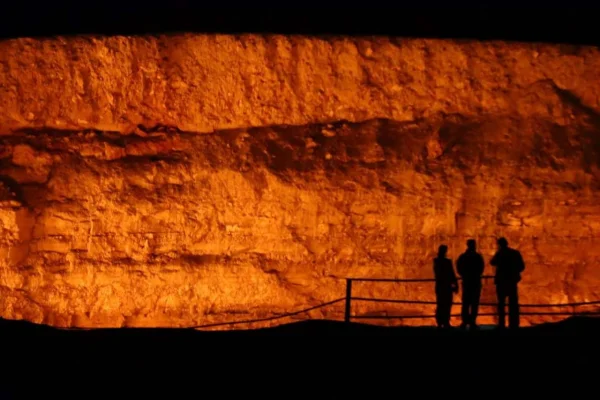
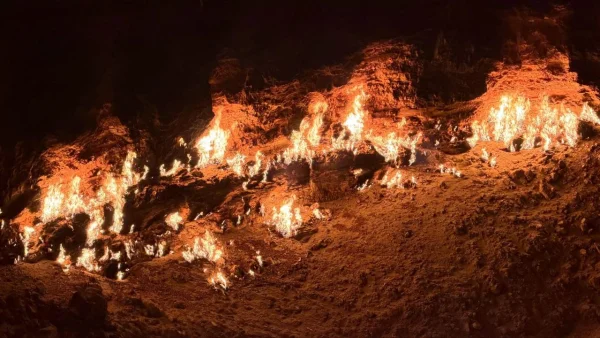
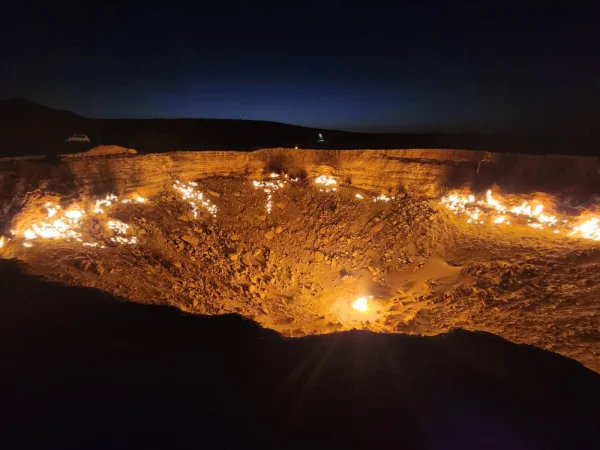
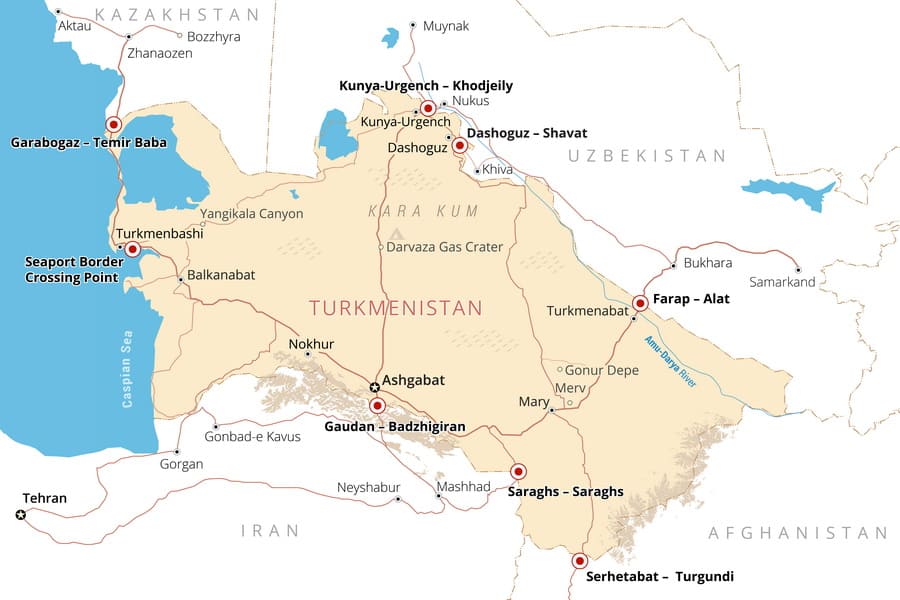
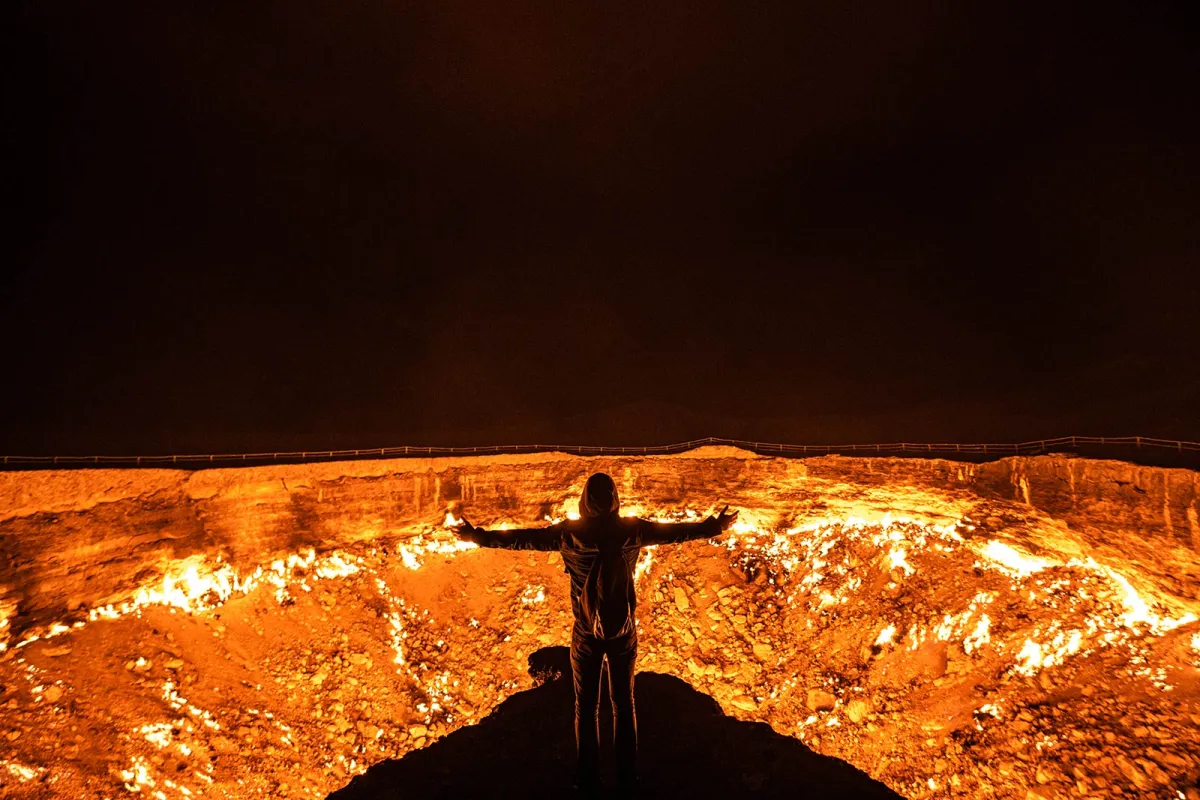
In Ashgabat, you are often allowed some freedom to explore the city center on your own during the day. However, for any travel outside the capital (such as to the Darvaza Gas Crater or Merv), you must be accompanied by your licensed guide. Do not attempt to hire private, unlicensed drivers for inter-city travel, as you will likely be stopped at internal checkpoints, and both you and the driver could face serious legal repercussions.
Registration (Ovid)
Upon arrival, your travel agency will handle your registration with the State Migration Service. Ensure that your hotel provides you with a registration slip if you are staying multiple nights. Keep these slips with your passport; they are often checked upon departure at the airport.
Health, Water, and Food Safety
Staying healthy is a key part of your travel safety. Ashgabat is a modern city, but the environment can be harsh for those unaccustomed to the desert climate.
Water Safety
Do not drink the tap water in Ashgabat. While the water is treated, the mineral content and the state of older pipes can cause significant stomach distress for visitors. Stick to bottled water, which is readily available at all 'Dükans' (shops). Use bottled water for brushing your teeth as well, especially if you have a sensitive stomach. Avoid ice in drinks unless you are in a high-end international hotel where they use purified water.
Heat Management
Ashgabat is located on the edge of the Karakum Desert. In the summer months (June to August), temperatures can regularly soar above 40°C (104°F). Heatstroke is a genuine risk. Plan your sightseeing for the early morning or late evening, wear high-SPF sunscreen, and always carry water. The city’s white marble reflects the sun intensely, so high-quality sunglasses are essential.
Medical Facilities
Ashgabat has several modern 'Diagnostic Centers' and hospitals, such as the International Medical Center. However, medical staff may not speak English. In the event of a serious illness, contact your embassy and your travel insurance provider immediately. Ensure your travel insurance includes medical evacuation, as complex procedures may require a flight to Istanbul or Dubai.
Connectivity and Digital Safety
Turkmenistan has some of the most restrictive internet policies in the world. Social media platforms like Facebook, Instagram, WhatsApp, and Twitter (X) are blocked, as are many news sites and Gmail. While many tourists use VPNs, be aware that the government actively blocks VPN servers, and their use is technically discouraged. Do not rely on having constant internet access for navigation or communication. Download offline maps (like Maps.me) before you arrive and keep hard copies of your hotel address and guide’s phone number.
Cultural Etiquette and Social Norms
Respecting local culture is a form of safety, as it prevents social friction and potential issues with authorities. Turkmenistan is a conservative but secular society.
- Dress Code: In Ashgabat, people dress quite formally. For tourists, avoid wearing very short shorts or revealing tops. While not strictly forbidden, modest dress (covering shoulders and knees) is more respectful and will draw less unwanted attention.
- Tipping: Tipping is not mandatory but is appreciated in restaurants (10% is standard, often included in the bill) and for your guides and drivers.
- Smoking: Smoking in public is strictly prohibited in Ashgabat, including on the streets and in parks. Only smoke in designated areas, usually found outside hotels or specific restaurants. Possession of tobacco is legal, but strict limits apply on how much you can bring into the country.
Transportation Safety
Taxis are the most common way to get around. In addition to official yellow taxis, many locals operate as 'gypsy taxis'—you stand by the road and point your hand down. However, for safety and to avoid price disputes, it is highly recommended to have your hotel call an official taxi or use the 'Taxi Hyzmaty' app if you have a local SIM. Always agree on the fare before starting the journey. The public bus system is modern and very cheap, but routes are only displayed in Turkmen/Russian, making it a challenge for non-speakers.
Conclusion
Ashgabat is a city of incredible beauty and strict discipline. By following these 'Ashgabat Safety & Travel Tips,' you can enjoy the architectural wonders and the hospitality of the Turkmen people without worry. The key is preparation: carry your documents, respect the 'no photo' zones, stay hydrated, and always stay within the legal framework of your guided tour. When you respect the local regulations, Ashgabat reveals itself as one of the most orderly, safe, and visually captivating capitals in the world.