🐎 Introduction: The Golden Horse of Central Asia
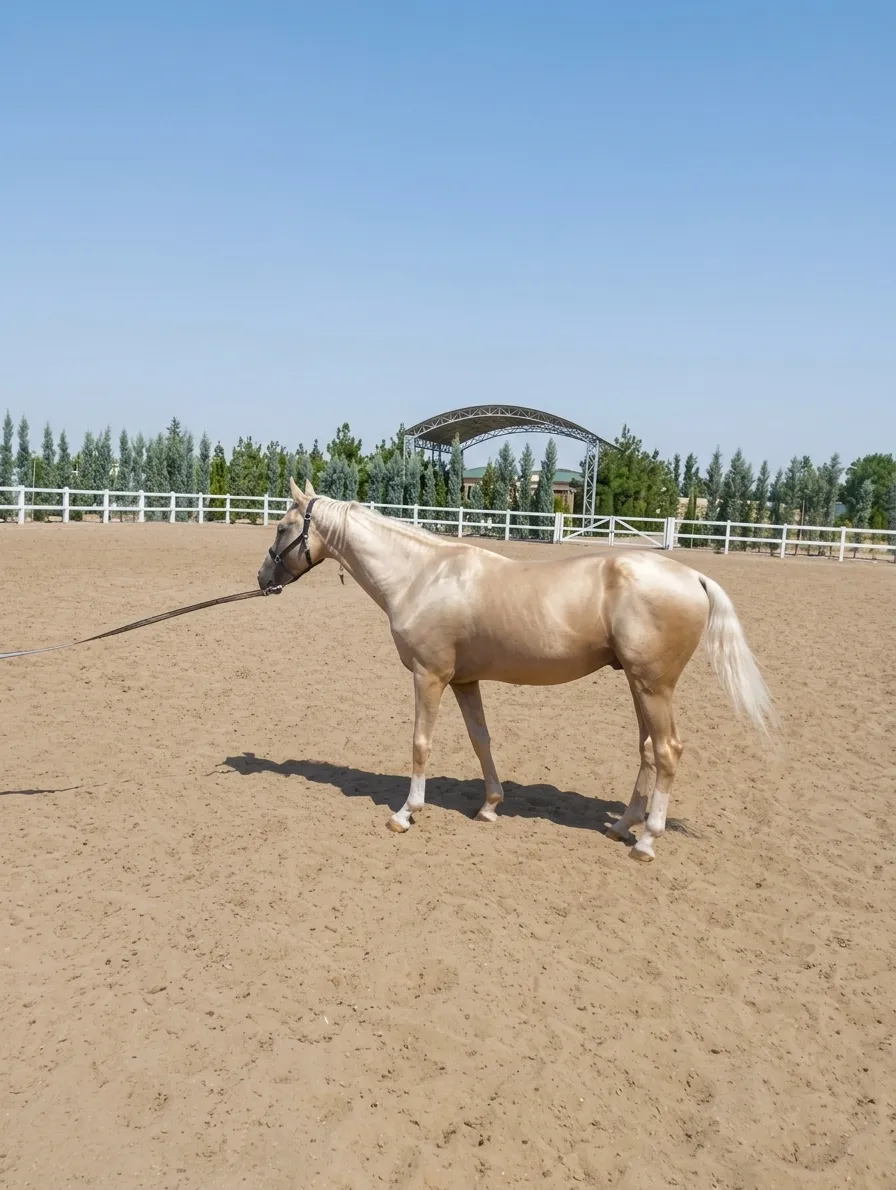
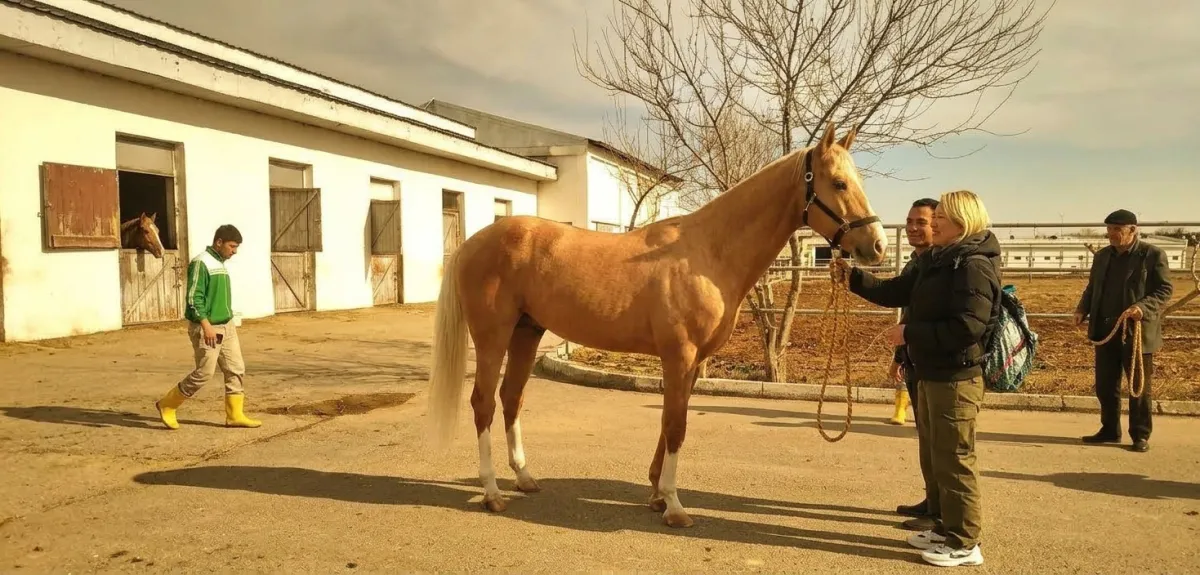
In the very heart of Central Asia, where the scorching dunes of the Karakum Desert meet the jagged peaks of the Kopet Dag Mountains, lives one of the rarest, most striking, and ancient horse breeds on Earth — the Akhal-Teke horse. Renowned for centuries for its metallic, mirror-like coat sheen, elegant silhouette, and endurance forged in harsh desert winds, the Akhal-Teke is far more than just a horse breed. In Turkmenistan, it is a living monument, a sacred symbol of national identity, and the undeniable soul of the Turkmen people.
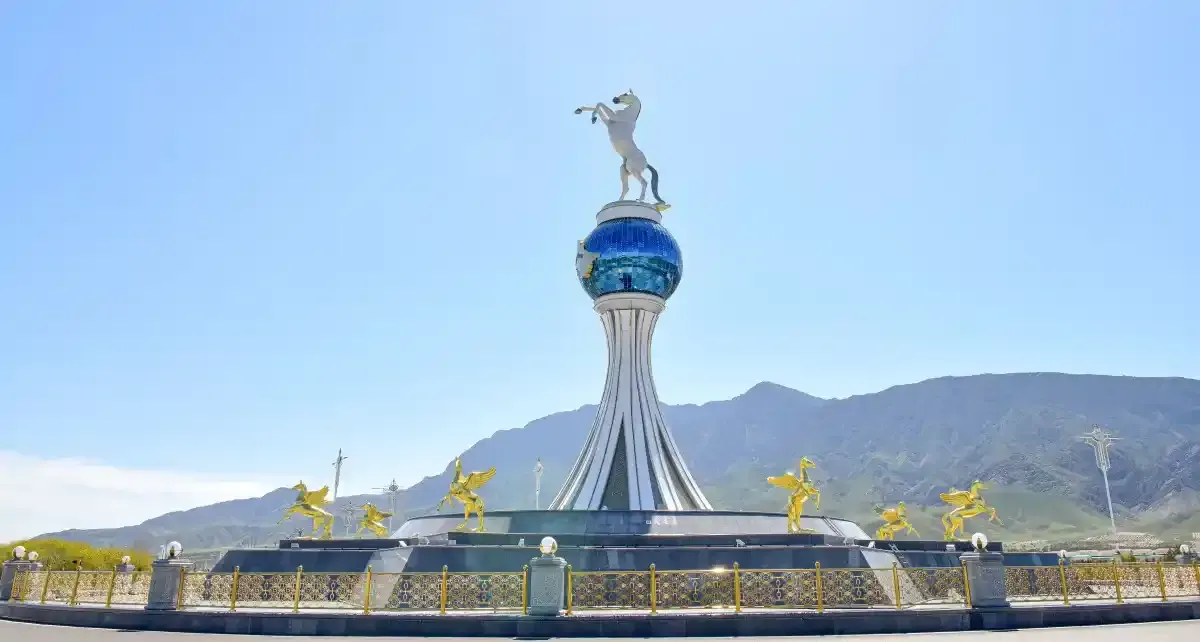
Known popularly as the "Heavenly Horse" or "Golden Horse," the Akhal-Teke occupies a unique place in human history. It adorns the State Emblem of Turkmenistan, the national currency, inspires magnificent marble monuments throughout the capital, and remains a central element of state diplomacy and traditional celebrations. For travelers venturing along the historic routes of the Silk Road, encountering an Akhal-Teke in its homeland is an unforgettable experience — a rare opportunity to touch a living cultural heritage preserved virtually unchanged for thousands of years.
This comprehensive guide offers an in-depth overview of the origins, unique physical genetics, cultural reverence, and practical opportunities to see, ride, and admire the magnificent Akhal-Teke horse during your journey across Turkmenistan.
📜 Legacy of the Ancients: History and Origins of the Akhal-Teke
The history of the Akhal-Teke breed is inextricably intertwined with the history of the nomadic civilizations of Central Asia. Archaeological finds and historical chronicles indicate that ancestors of the Akhal-Teke were bred in this region as early as 3,000 years ago, making this breed one of the oldest domesticated horse breeds in the world.
🏛️ Nisean Horses of Antiquity
In antiquity, classical historians such as Herodotus and Strabo wrote in awe of the legendary "Nisean horses" of Parthia — an ancient empire centered near modern-day Ashgabat. These horses were celebrated throughout the Persian Empire and Greece for their speed, intelligence, and stately elegance. Parthian cataphracts rode them into battle, and rulers — from Alexander the Great to emperors of the Chinese Han Dynasty — dispatched military expeditions westward into Central Asia specifically to acquire these divine "blood-sweating horses."
The ruins of Old Nisa, located just outside Ashgabat, stand today as a testament to the civilization that nurtured these ancient ancestors. Travelers exploring Turkmenistan's historical landmarks can easily combine the discovery of ancient ruins and horse breeding heritage on the 2-Day Turkmenistan Circular Tour Starting & Ending in Ashgabat, which bridges ancient archaeology with modern equestrian centers.
⛺ The Teke Tribe and the Akhal Oasis
The modern name "Akhal-Teke" directly commemorates the geography and the people who preserved the breed's purity across centuries. "Akhal" refers to the lush strip of oasis stretching along the northern foothills of the Kopet Dag Mountains, while "Teke" refers to the powerful Turkmen tribe that inhabited these lands.
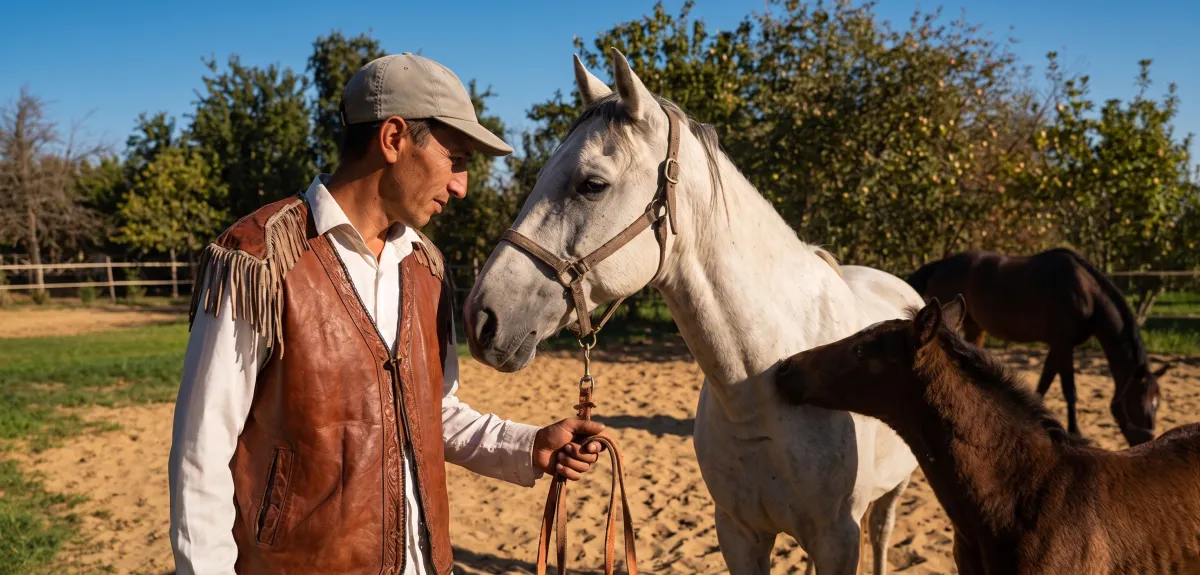
Living in the harsh climate of the Karakum Desert, the Teke tribe relied on their horses for survival, transportation, and defense. Unlike European horses, which were kept in large herds or pastures, Akhal-Tekes were treated as full members of the nomadic family. They were tethered right next to the family yurt, covered with thick felt blankets (koshma) to protect against winter frosts and summer heat, and hand-fed a specialized high-calorie diet of dried alfalfa, barley, mutton fat, and flatbreads.
This intimate interaction shaped a breed renowned for an extraordinary emotional bond with humans, sharp intelligence, and unrivaled resilience in severe desert conditions.
🧬 Unique Biology and Physical Characteristics
What makes the Akhal-Teke instantly recognizable to equestrians worldwide is its unique anatomy, gaits, and otherworldly appearance. Millennia of natural and selective breeding in desert ecosystems produced a horse built for swift, long-distance travel and extreme heat resistance.
✨ The Mystery of the Metallic Golden Sheen
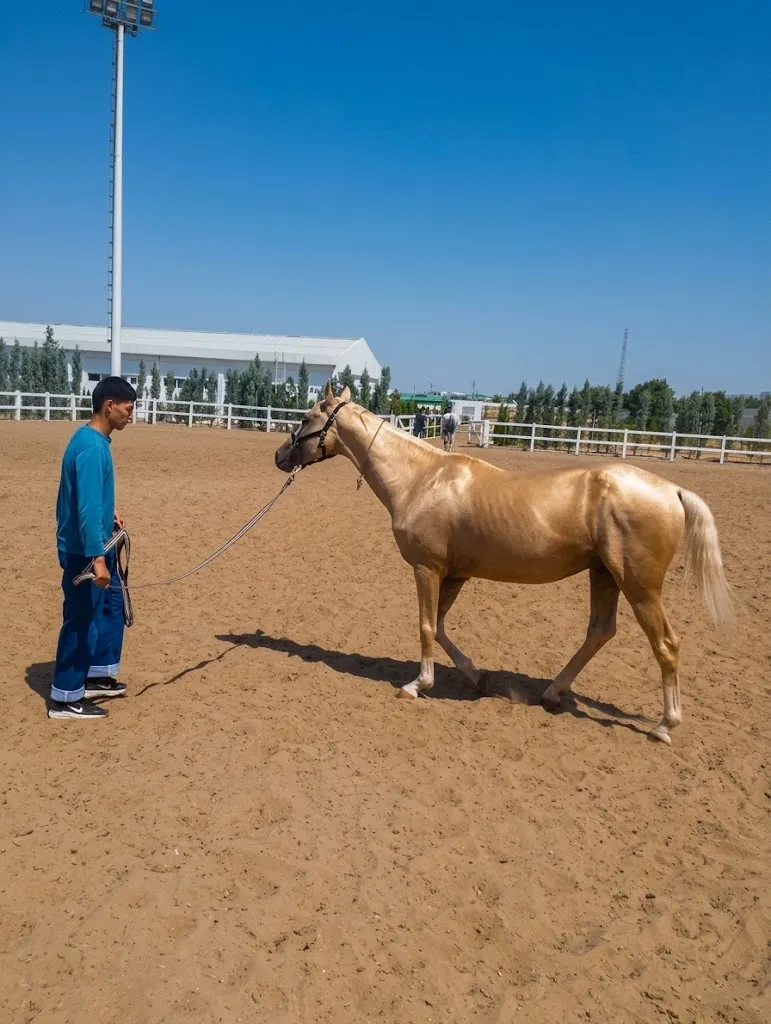
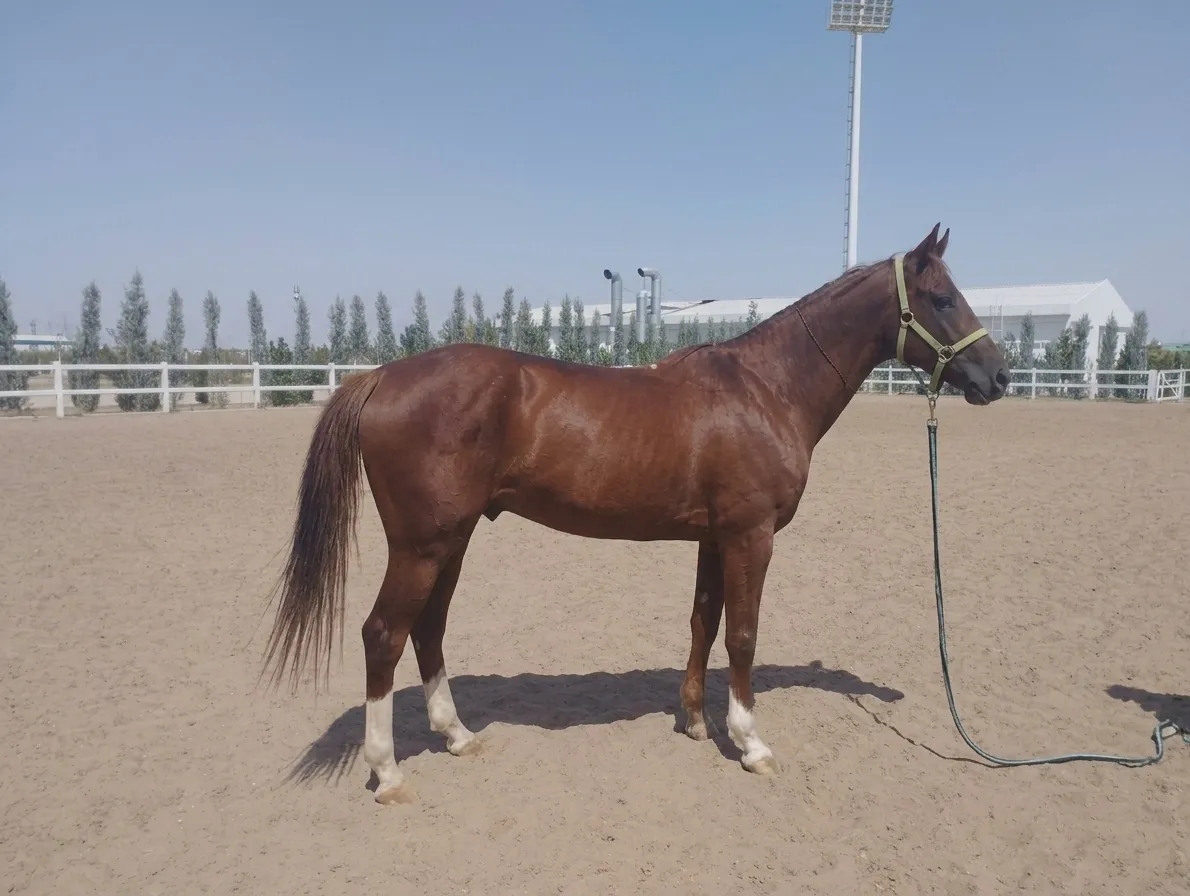
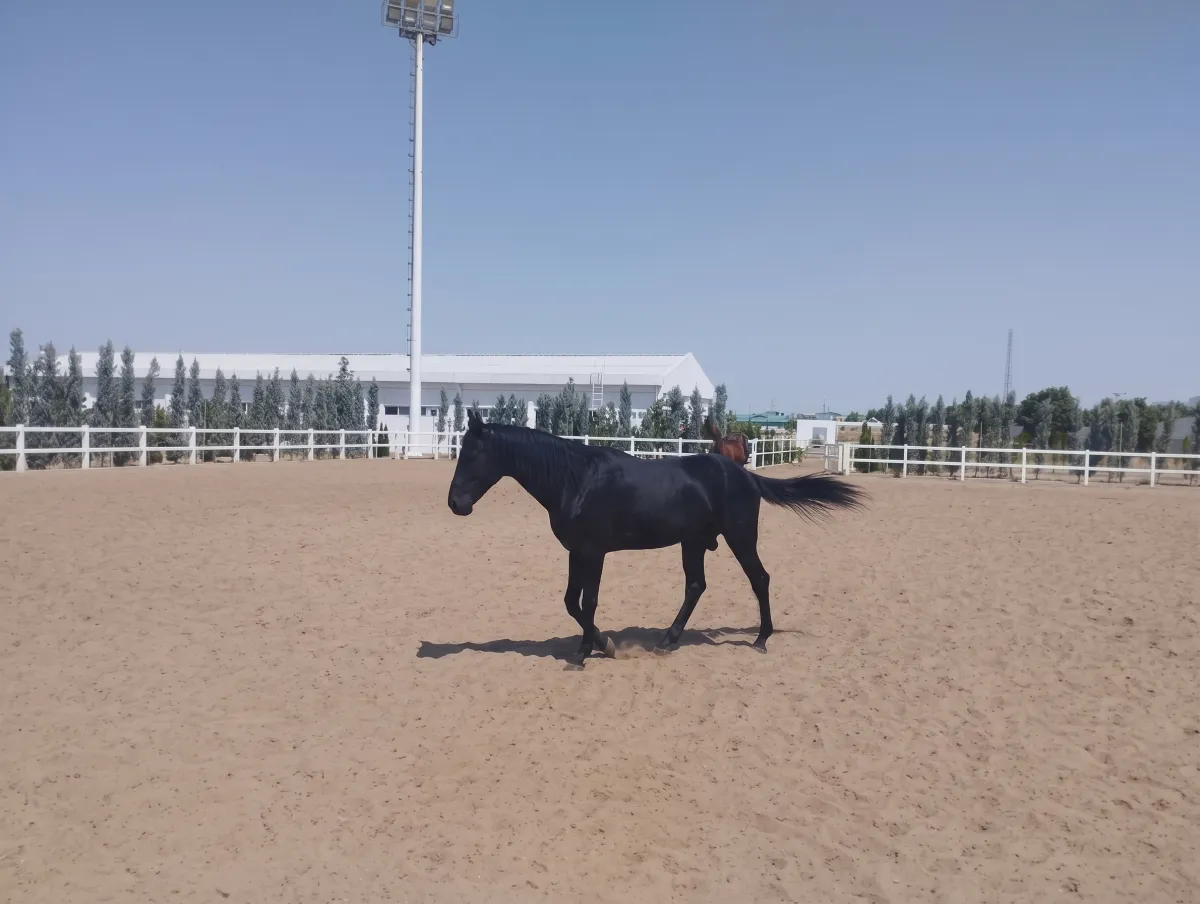
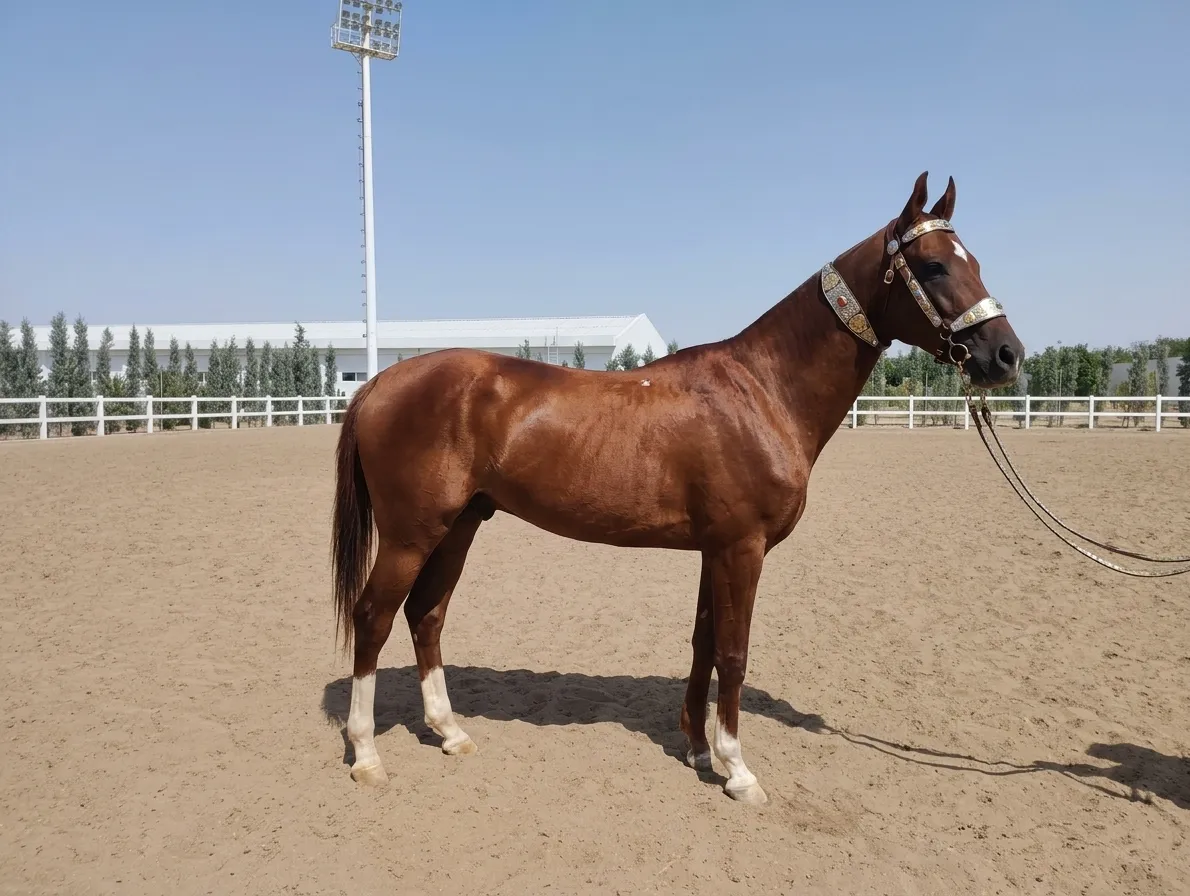
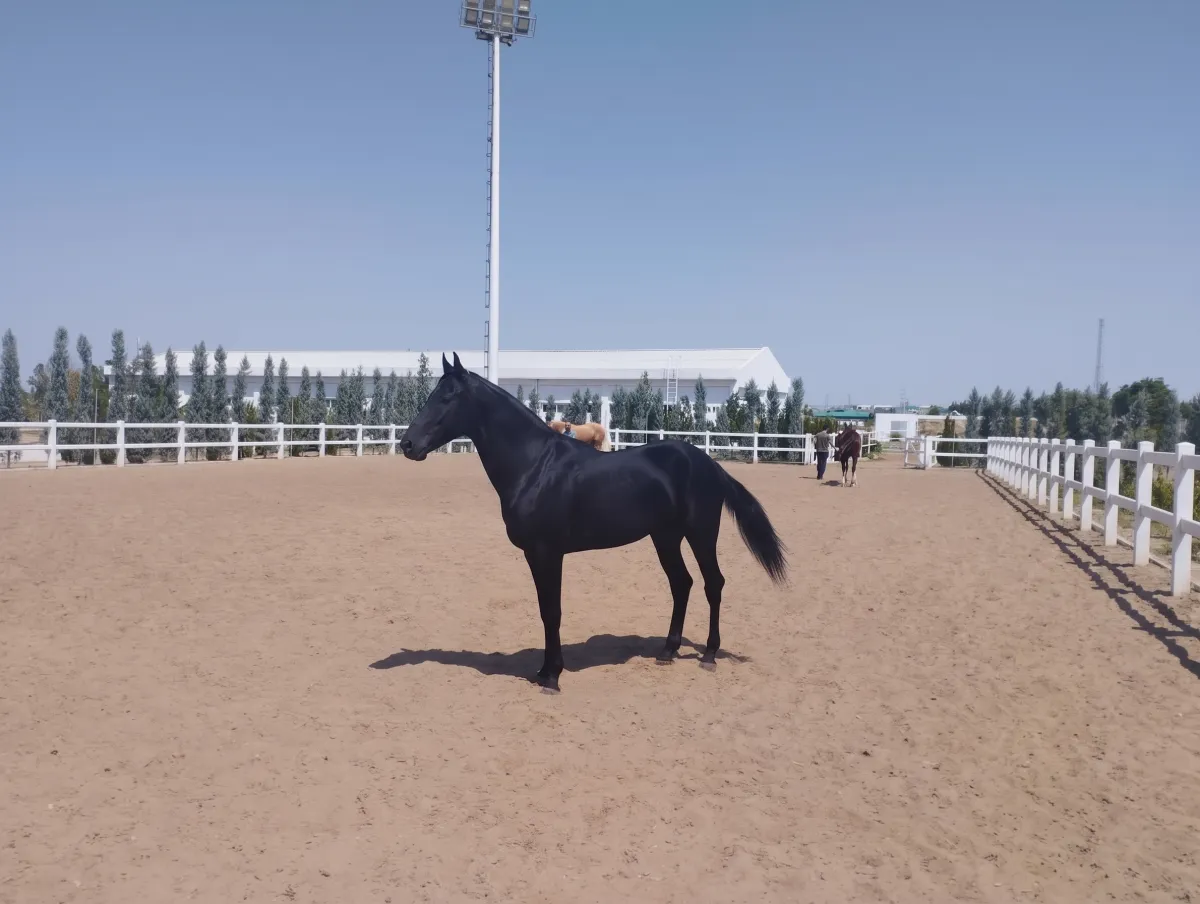
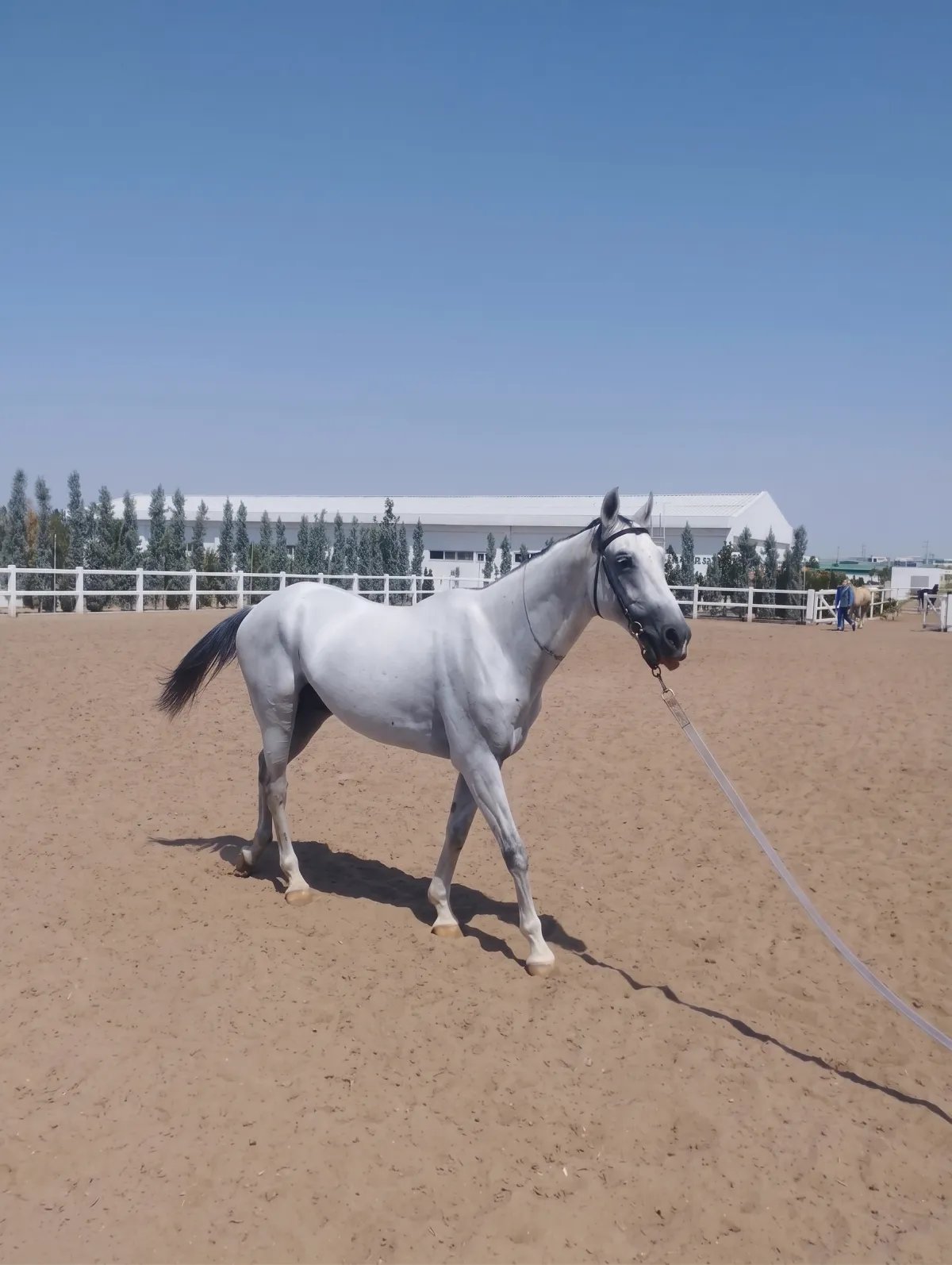
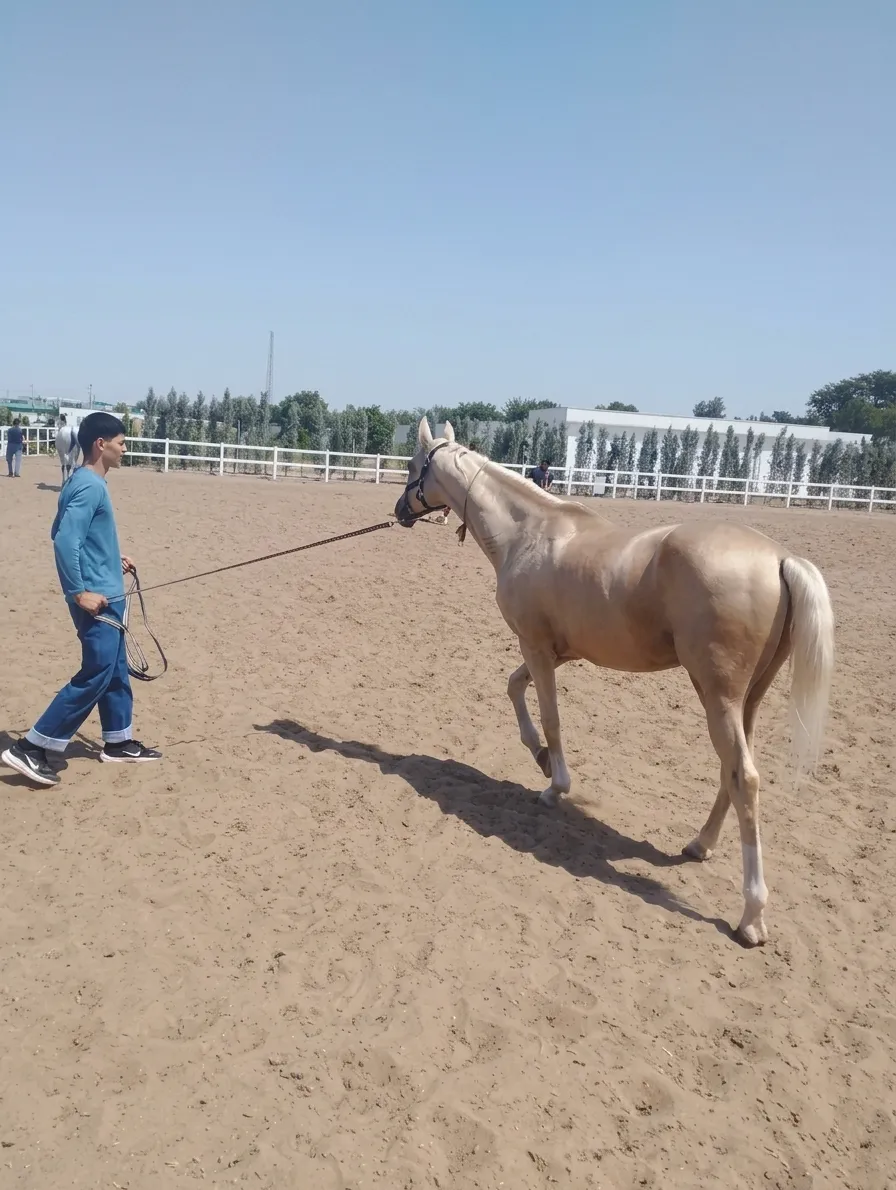
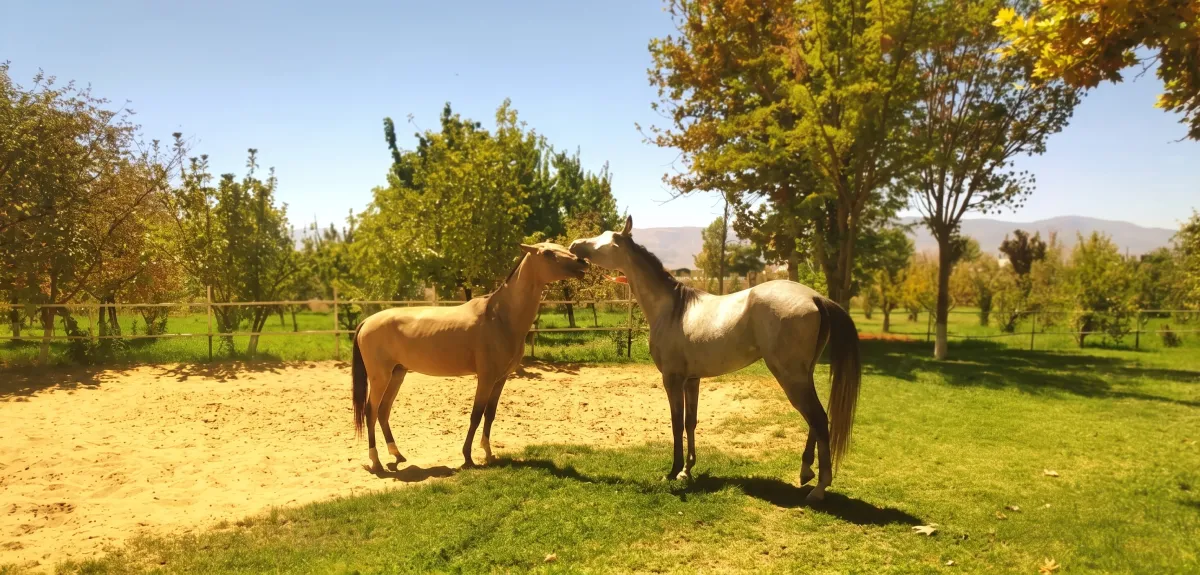
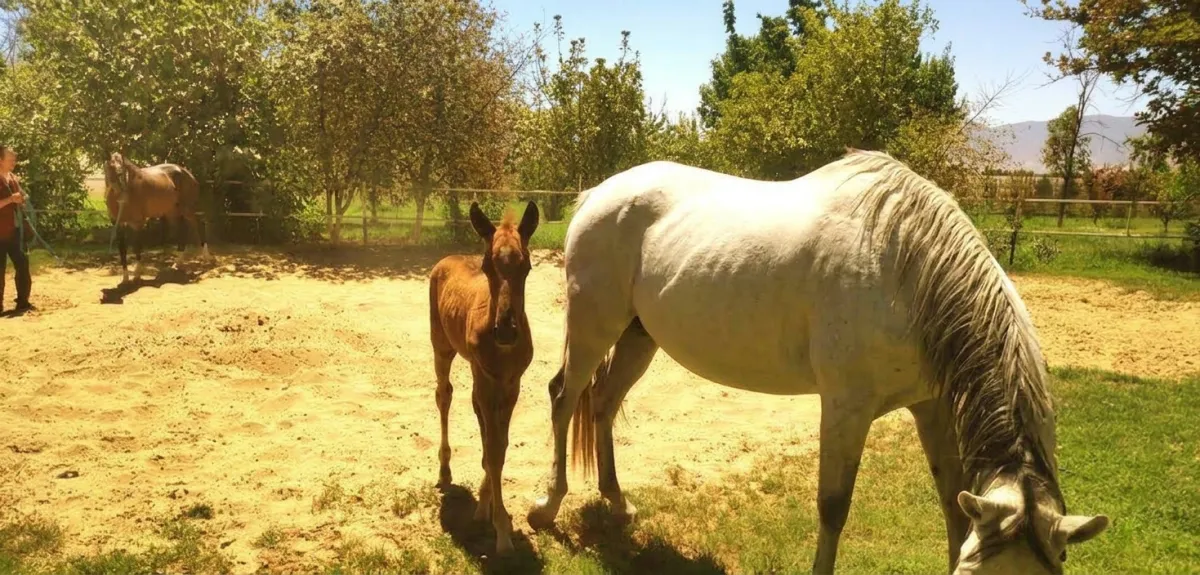
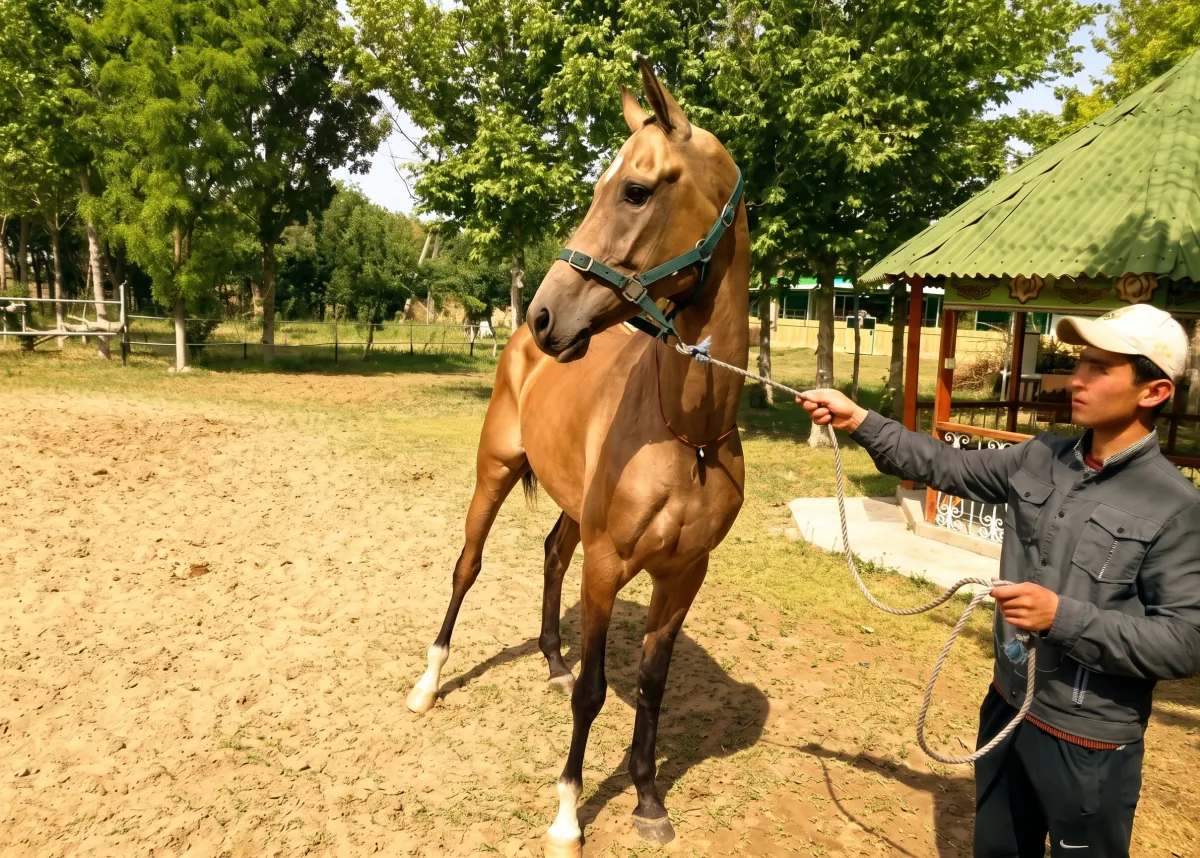
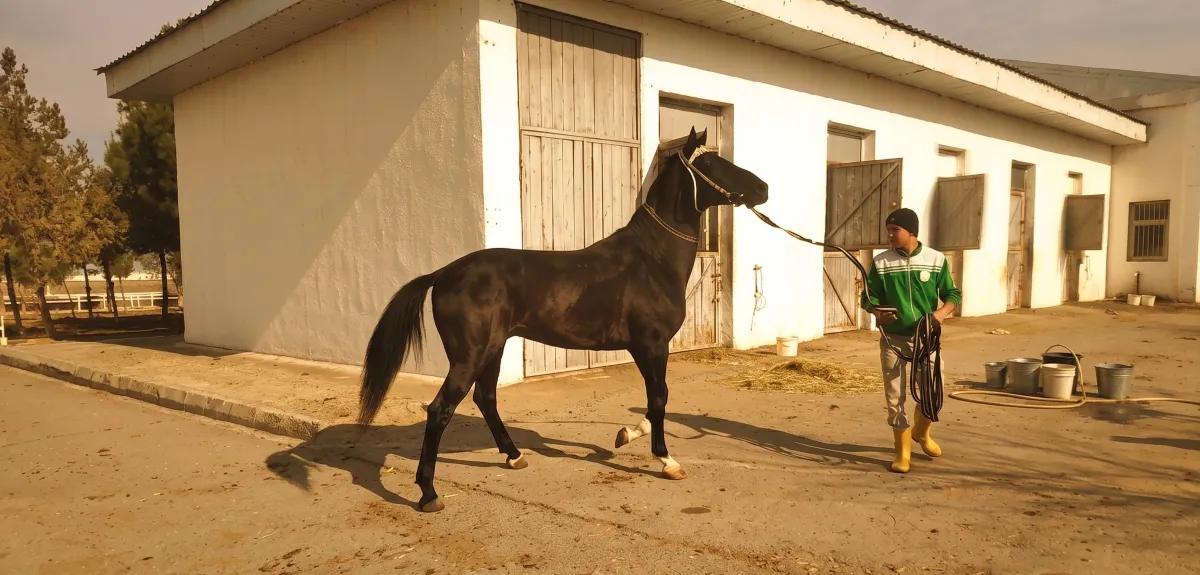
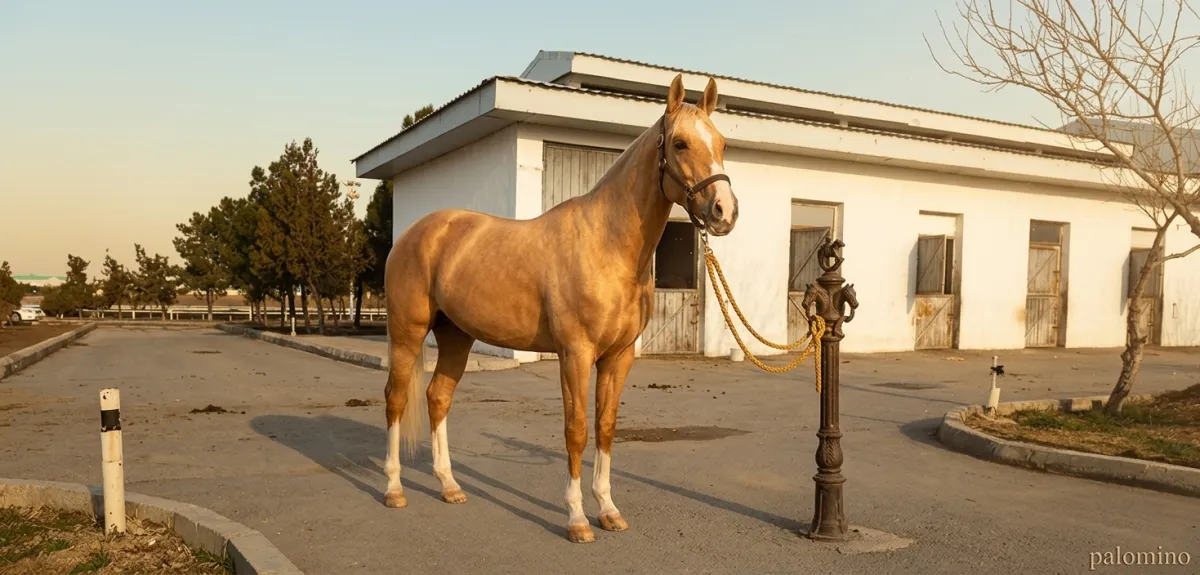
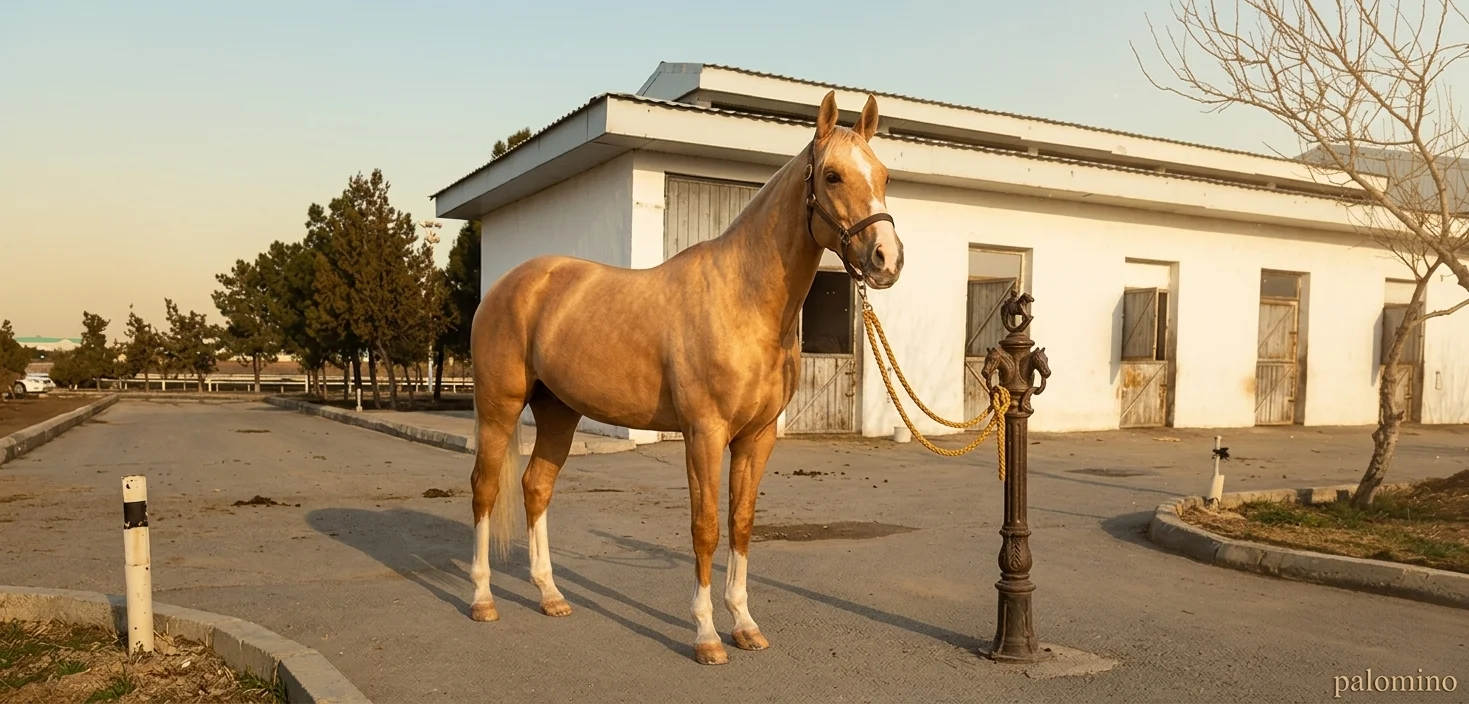
The hallmark trait of the Akhal-Teke is the metallic, iridescent sheen of its coat, which glistens under direct sunlight like polished metal. While coat colors range from black, dark bay, and light gray to buckskin, palomino, and cremello (isabella), it is the golden coat that is the most famous.
Scientifically, this metallic sheen is explained by the unique structure of the hair. Unlike normal horse hair, where the central core (medulla) contains dark pigment, the hair shaft of an Akhal-Teke has an extremely thin or completely absent medulla. The transparent cuticle of the hair acts as an optical prism, refracting and reflecting sunlight through the clear core, creating a natural metallic luster.
🦴 Conformation and Physiology
The body structure of the Akhal-Teke reflects its evolution as a desert sprinter and endurance athlete:
| Feature | Description |
|---|---|
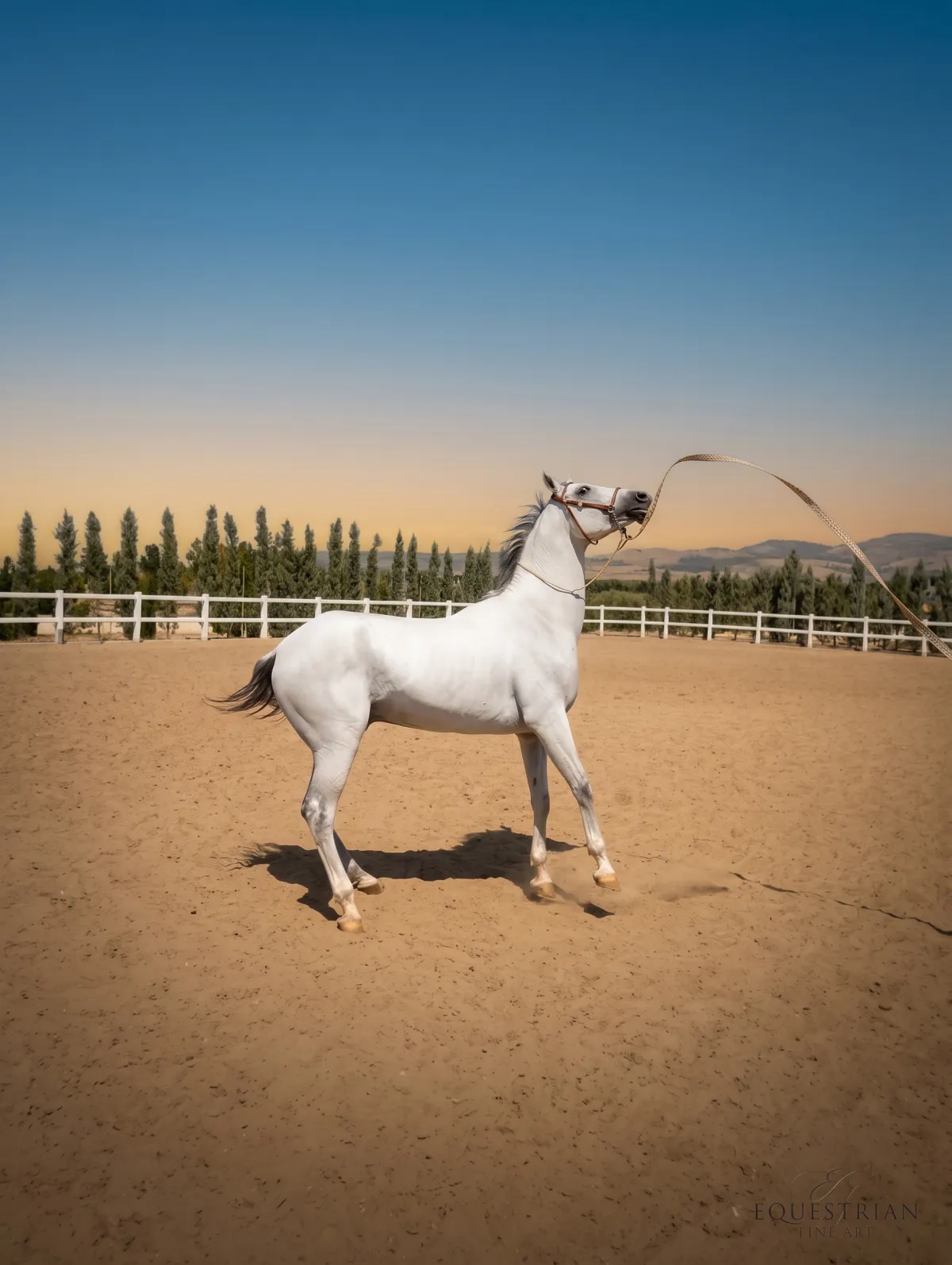
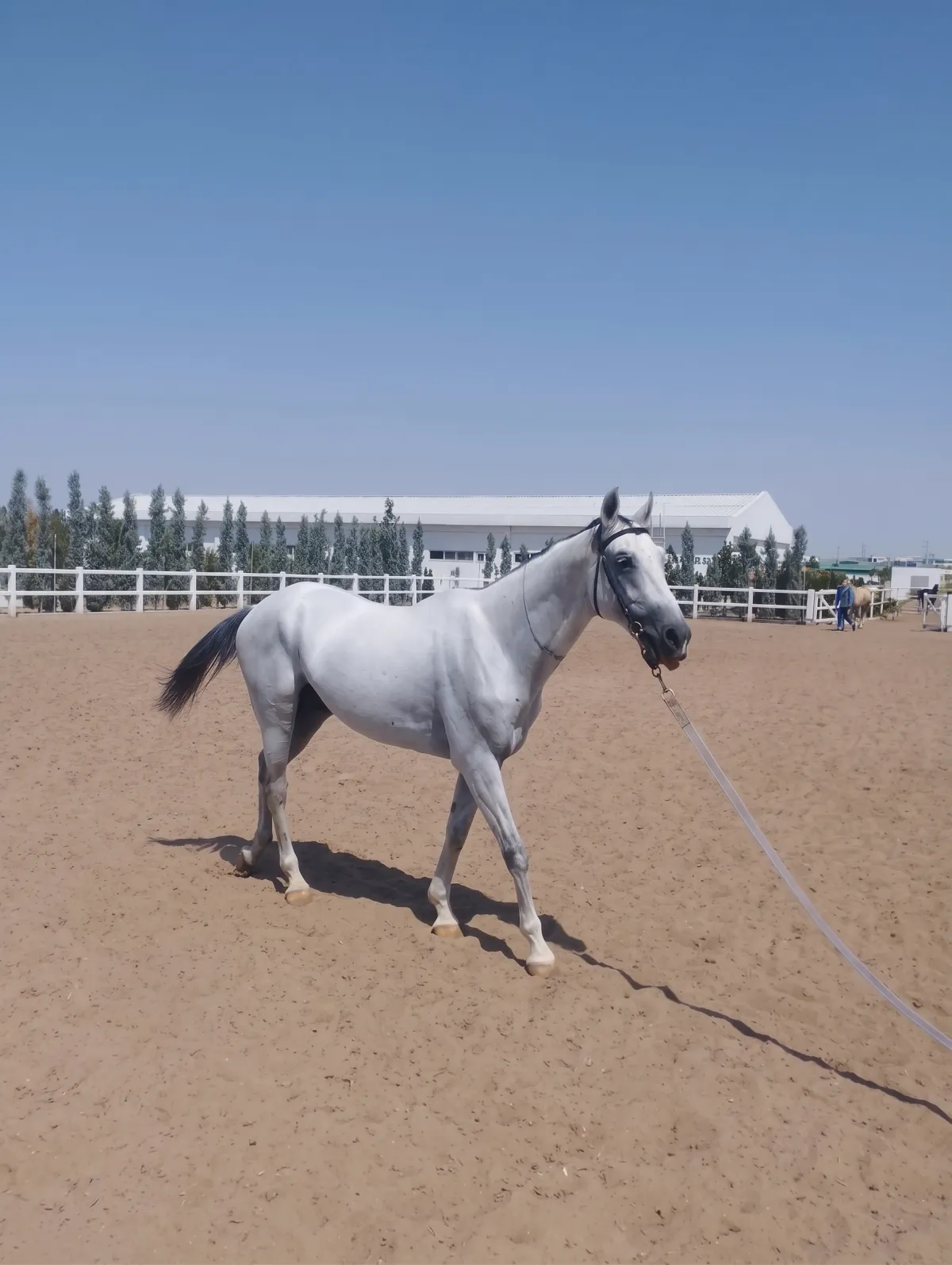
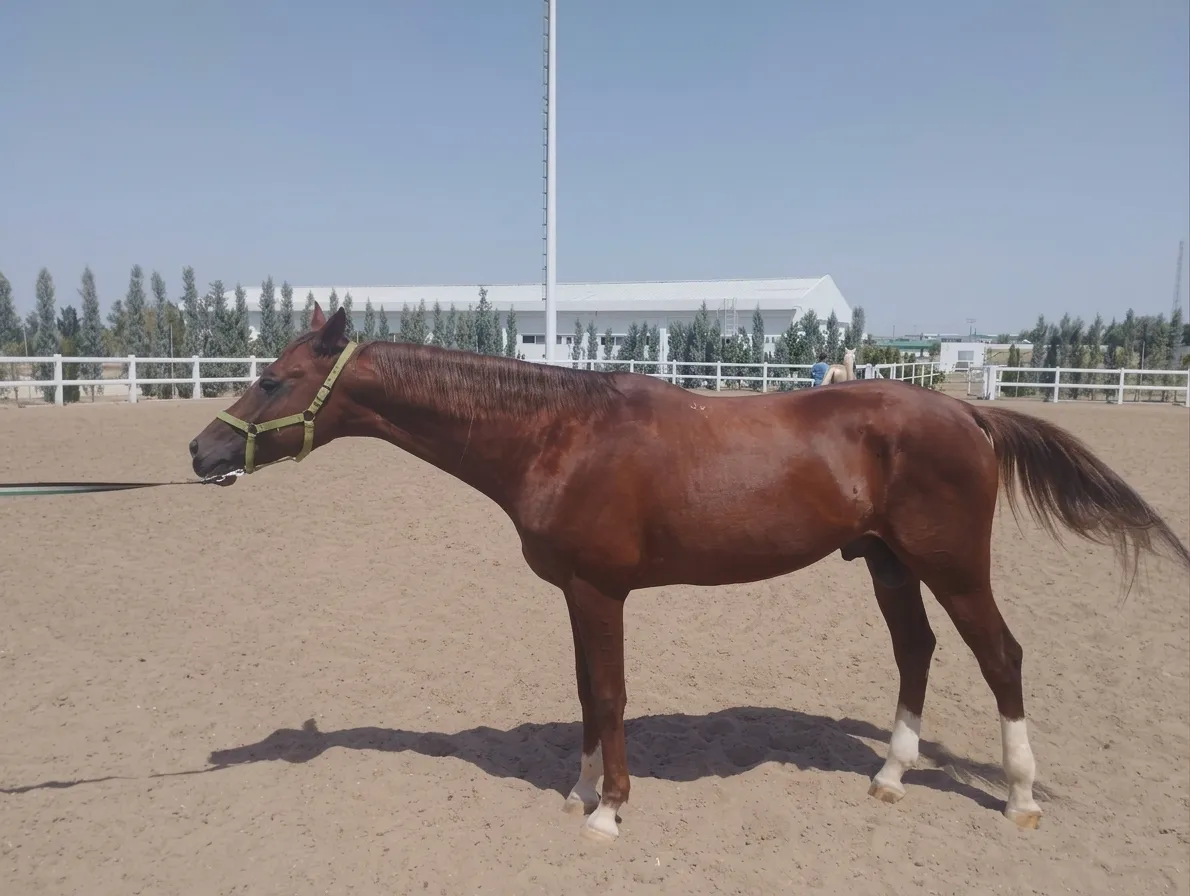
| 👁️ Head and Profile | Refined and dry, with a straight or slightly concave profile, large expressive almond-shaped eyes, thin lips, and wide, flexible nostrils adapted for deep breathing. |
| 👂 Ears | Exceptionally long, slender, and mobile ears, set high on the head and capable of rotating nearly 180 degrees to catch sounds across the quiet desert. |
| 🦢 Neck and Shoulder | Long, slender, high-set S-shaped neck rising almost vertically from long, sloping shoulders, providing high head carriage and exceptional maneuverability. |
| 🏃 Body and Frame | Lean body with a long back and narrow chest, reminiscent of a greyhound or cheetah, minimizing wind resistance and facilitating heat dissipation. |
| 🎗️ Skin and Hair Coat | Very thin, delicate skin with a sparse, silky mane and tail. Traditionally, breeders shaved the mane completely to prevent it from catching on thorns or interfering with tack. |
| 🦵 Legs and Hooves | Long, clean, muscular legs with dense bone structure and small, hard hooves capable of navigating rocky mountains and shifting sands without cracking. |
🏃♂️ Endurance and Gaits
The gait of the Akhal-Teke horse is often described as "floating" or gliding smoothly across the terrain. Having evolved across sand dunes, they developed a springy, light-footed stride that conserves energy and prevents sinking into soft ground. Their movements in trot and canter are remarkably smooth, ensuring a comfortable ride over vast distances.
Their endurance is legendary. The most famous test occurred in 1935, when a group of Turkmen riders rode 34 Akhal-Tekes from Ashgabat to Moscow — an astonishing 4,300 kilometers (2,670 miles). The route crossed more than 1,000 kilometers of waterless desert. The journey took only 84 days, during which the horses successfully withstood extreme thirst trials, proving their unmatched endurance to the entire world.
👑 Cultural Significance and National Symbolism
In modern Turkmenistan, the Akhal-Teke is not merely revered — it is elevated to the status of a supreme national symbol. A Turkmen proverb states: "When you wake up in the morning, greet your father first, and then your horse."
💰 Coat of Arms, Currency, and Architecture
At the center of the State Emblem of Turkmenistan is the silhouette of Yanardag — a purebred Akhal-Teke stallion who became a world champion. The image of the horse graces Turkmen manat banknotes, national postage stamps, and official state emblems.
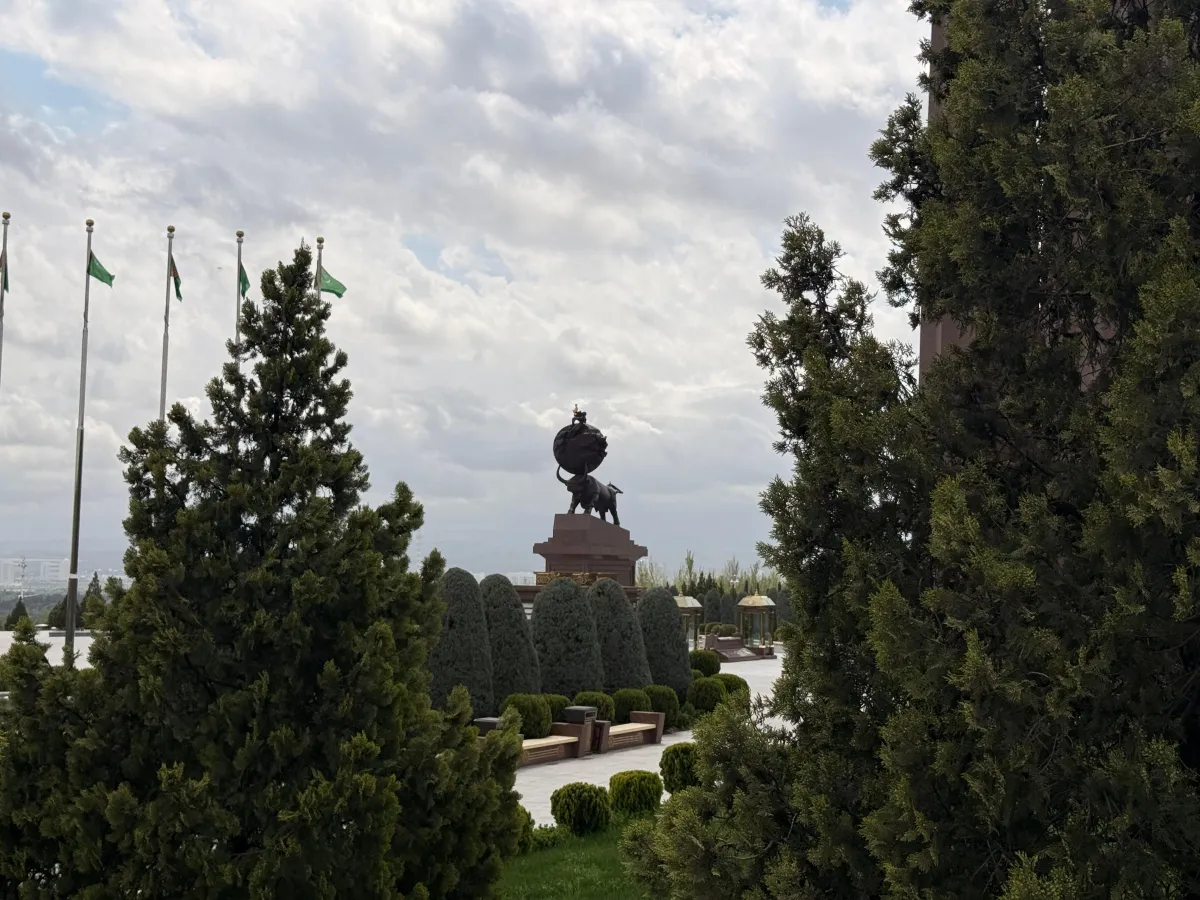
Throughout the capital, Ashgabat, travelers encounter magnificent bronze and gilded equestrian statues set against white marble facades. To see these impressive monuments in person, check out our comprehensive Ashgabat Travel Guide, featuring the top architectural sights dedicated to the golden horse.
🎉 Turkmen Horse Day: A National Festival
Every last Sunday of April, Turkmenistan celebrates Turkmen Horse Day (Turkmen Atynyng Bayramy). This national holiday brings the entire country together for a multi-day festival, featuring:
- 🏆 International Akhal-Teke Beauty Contest: Purebred stallions from state and private studs compete for the title of the most beautiful Akhal-Teke in the world. Judges evaluate conformation, coat luster, movement, and traditional decorative regalia.
- 🏁 Festive Horse Races: Thrilling competitions held at the International Equestrian Sports Complex in Ashgabat.
- 🤸 Equestrian Acrobatics: Spectacular performances by the renowned "Galkynysh" national equestrian games group, whose riders perform daring stunts on galloping Akhal-Tekes.
- 🎨 Cultural Exhibitions: Art competitions, carpet weaving displays, musical performances, and scientific symposiums organized by the International Association of Akhal-Teke Horse Breeding.
💍 Traditional Jewelry and Tack
A purebred Akhal-Teke is adorned with the same care as a bride. Traditional horse tack (agyr shukur) is crafted by master Turkmen jewelers and leatherworkers, featuring:
- 🥈 Silver Collars (Gezlik and Gerdanlyk): Wide silver neck bands inlaid with deep red carnelians or turquoise. Historically, they protected the horse's vulnerable neck arteries in battle; today, they serve as amulets against the evil eye.
- 🧿 Alaja Amulets: Braided black-and-white camel wool cords tied around the neck or forelock as protective charms.
- 🐴 Ornamented Saddles and Felt Blankets: Leather saddles with soft cushions placed over handmade felt saddle pads embroidered with traditional tribal patterns (göl).
📍 Where to See and Experience Akhal-Tekes in Turkmenistan
For international travelers journeying with TmTourism, experiencing the speed, beauty, and grace of Akhal-Teke horses is both easy and memorable. Here are the top locations to see these horses up close:
🏟️ 1. International Equestrian Sports Complex (Ashgabat Hippodrome)
Located on the southwestern outskirts of Ashgabat at the foot of the Kopet Dag Mountains, this ultra-modern equestrian center serves as the main venue for horse racing in Turkmenistan. Spanning over 90 hectares, the complex includes grandstands for 7,000 spectators, modern training tracks, indoor arenas, and luxury stables housing hundreds of elite state stallions.
Visiting the hippodrome on a Sunday during the spring or autumn racing season offers an authentic cultural immersion. Local families gather, excitement fills the air, and you can witness thrilling sprint races of purebred Akhal-Tekes firsthand.
🐴 2. Gokdepe Stud Farm and Equestrian Complex
Located approximately 45 kilometers west of Ashgabat, Gokdepe is a historic site for Turkmenistan and a major horse breeding center. State stud farms around Gokdepe house some of the country's most valuable breeding bloodlines.
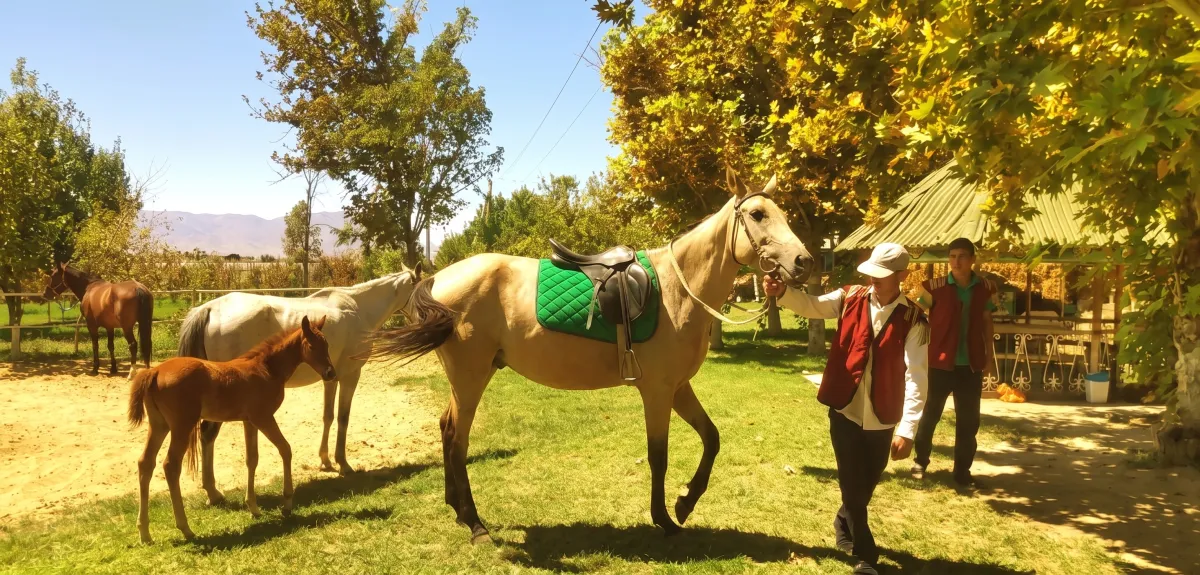
Tours of the Gokdepe breeding facilities allow travelers to visit the stables, meet experienced trainers (seis), learn about studbook records, and watch golden stallions being presented in open arenas. You can easily include a visit to Gokdepe in a broader itinerary, such as our 4-Day Turkmenistan Tour: Ashgabat, Ancient Merv & Darvaza Crater.
🏡 3. Private Horse Farms and Village Visits
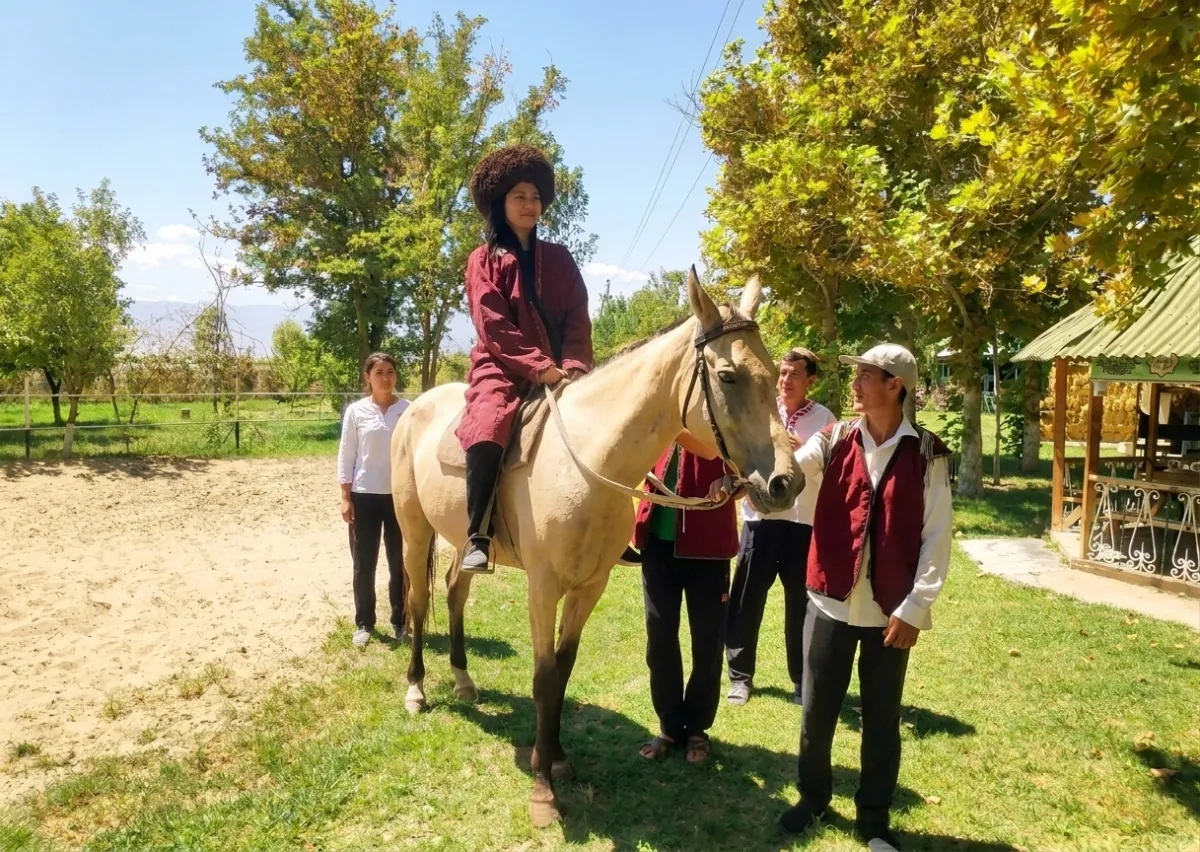
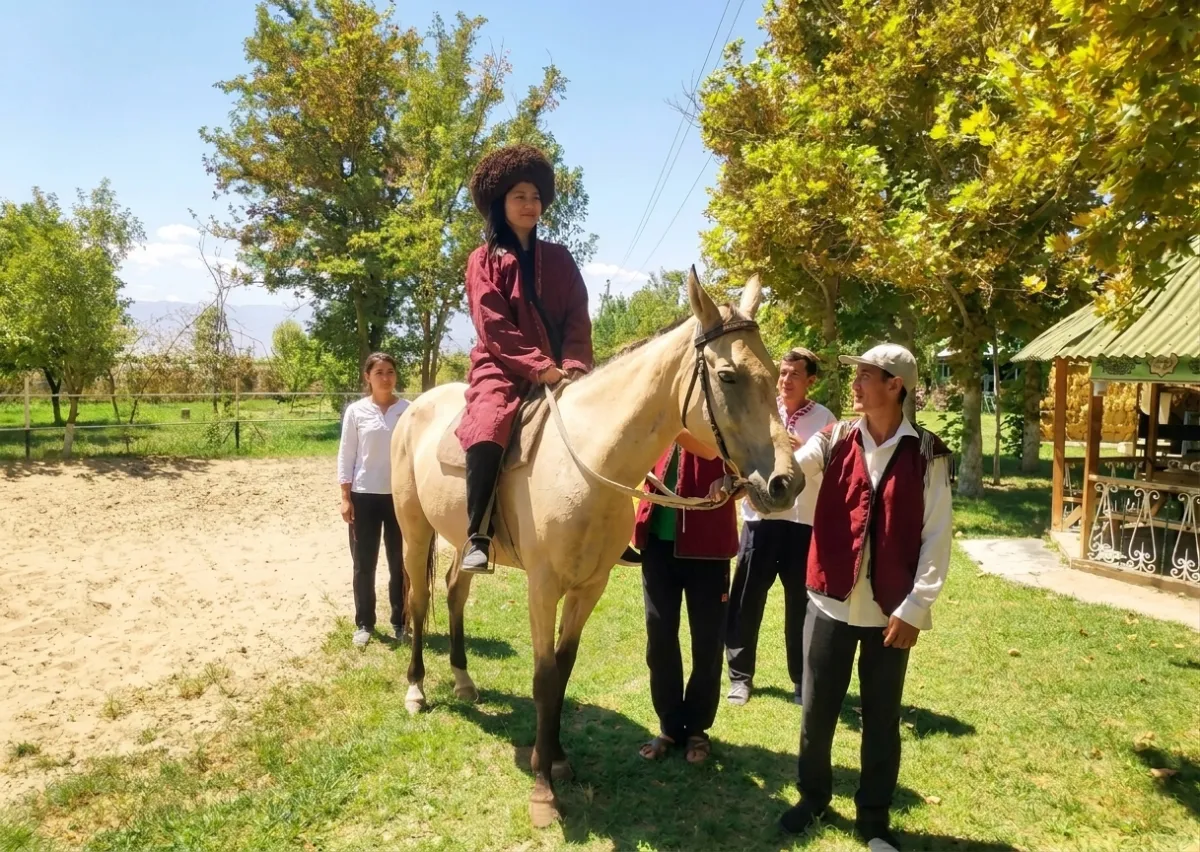
For a more personal encounter, TmTourism arranges visits to private horse farms in the rural oases around Ashgabat and along the Kopet Dag foothills. Here, travelers can meet local breeders whose families have raised Akhal-Tekes for generations, enjoy traditional tea inside a Turkmen yurt, and watch private horse presentations outdoors.
Travelers heading west into the mountains toward the historic mountain village of Nokhur can see how traditional equestrian culture blends with mountain life. Discover more about mountain culture in our Nokhur Travel Guide.
🏜️ 4. Desert Trekking and Horseback Riding Tours
Experienced riders looking for authentic adventure can join specialized horseback trekking tours across the golden dunes of the Karakum Desert. Riding an Akhal-Teke across open terrain allows you to appreciate the breed's natural habitat and feel the effortless glide of their desert stride. Such excursions can be arranged as part of multi-day transit itineraries, such as the popular 5-Day Turkmenistan Highlights Transit Tour from Khiva to Bukhara, blending historical heritage with authentic desert adventures.
🧭 Practical Tips for Travelers
To ensure your interaction with Akhal-Teke horses in Turkmenistan is safe, comfortable, and respectful, keep the following guidelines in mind:
📅 Best Time to Visit
| Season | What to Expect |
|---|---|
| 🌱 Spring (April) | Pleasant weather, the desert turns green and blossoms, and the prestigious National Horse Day festival takes place in late April. |
| 🍂 Autumn (September–November) | Mild temperatures make attending races at the Ashgabat Hippodrome and desert horse tours exceptionally comfortable. |
| ☀️ Summer (June–August) | Temperatures frequently exceed 40°C (104°F); riding is only feasible during early morning hours or at sunset. |
⚠️ Interacting with Stallions: Safety and Etiquette
Unlike European or American equestrian cultures where geldings (castrated horses) are commonly used, the vast majority of adult male Akhal-Tekes in Turkmenistan are kept as intact stallions. Turkmen breeders strictly maintain the tradition of keeping stallions to preserve bloodline purity and their spirited temperament.
- 🤝 Approach with Caution: Always ask permission and follow the guidance of the groom (seis) before approaching, petting, or feeding a horse.
- 🤫 Avoid Sudden Movements: Akhal-Tekes are highly sensitive and alert. Move calmly, speak in a gentle voice, and avoid loud noises.
- 🚫 No Treats Without Asking: Never feed horses treats (apples, sugar, bread) without direct permission from the stable manager, as performance horses follow strict diets.
- 📸 Proper Photo Positioning: When taking photos next to a stallion, stand at its shoulder rather than directly in front of its face or behind its hind legs.
📷 Photography Tips for Golden Horses
Capturing the iridescent sheen of the Akhal-Teke on camera requires special attention to lighting:
- 🌅 Golden Hour: Shoot during early morning (just after sunrise) or late afternoon (golden hour). The low sun angle maximizes light refraction in the hair shaft, making golden, buckskin, and bay coats truly glow.
- ☀️ Direct Light vs. Shade: Position the horse so sunlight hits its coat at a slight angle. In flat midday light or deep shade, the metallic effect is far less visible.
- 🎨 Contrasting Backgrounds: Use neutral or dark contrasting backgrounds — green mountain pastures, dark stable walls, or reddish dunes — to make lighter golden horses stand out dramatically.
🛍️ Authentic Souvenirs and Crafts
If you wish to take home a piece of Turkmenistan's equestrian culture, look for handmade artisanal crafts at the Teke Bazaar in Ashgabat or in specialized craft galleries:
- 🥈 Miniature Horse Tack: Delicate decorative silver collars (gezlik) adorned with natural carnelian stones, crafted by local jewelers.
- 🧶 Silk and Wool Carpets: Small hand-knotted wool or silk rugs featuring equestrian motifs, horse profiles, or classic Teke tribal patterns (göl).
- 🪵 Carved Wooden Figurines: Handcrafted gilded wooden statuettes depicting Akhal-Tekes in dynamic gallop.
- 🧿 Felt Crafts and Amulets: Braided black-and-white alaja wristbands and tack tassels that bring good luck and protection.
🛡️ Breed Preservation and Global Protection
In the 20th century, wars, collectivization, and industrial mechanization threatened the population of purebred Akhal-Tekes across Eurasia. However, dedicated state initiatives over recent decades have successfully revived and safeguarded the breed.
🏛️ "Turkmen Atlary" State Association
Today, horse breeding and registration in Turkmenistan are strictly overseen by the State Association "Turkmen Atlary" ("Turkmen Horses"). The organization maintains meticulous studbooks tracing genealogical lines back many generations, enforces breed purity standards, and manages state equestrian centers across all five velayats (provinces) of the country.
🌐 International Association of Akhal-Teke Horse Breeding
Headquartered in Ashgabat, the International Association of Akhal-Teke Horse Breeding unites breeders, experts, scientists, and horse enthusiasts from more than 30 countries worldwide. The association is dedicated to preserving the purebred horse, organizing international competitions, and coordinating scientific research in equine genetics and physiology.
🗺️ Plan Your Equestrian Journey with TmTourism
Whether you are an experienced rider, an admirer of graceful animals, or an adventurer traveling along the Silk Road, witnessing the golden Akhal-Teke in Turkmenistan offers an extraordinary encounter with living history.
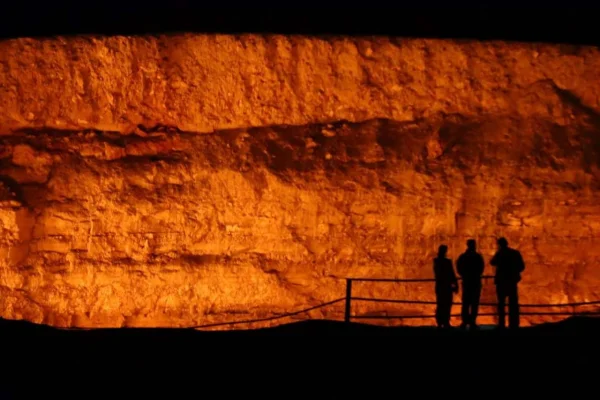
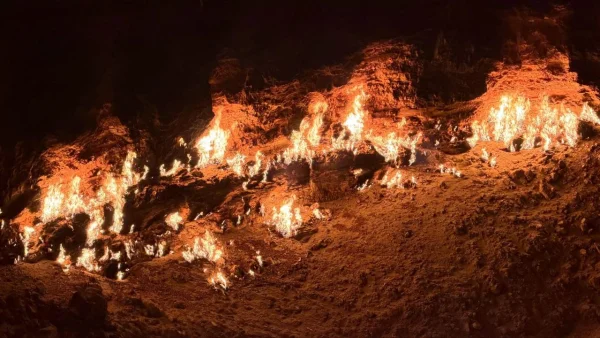
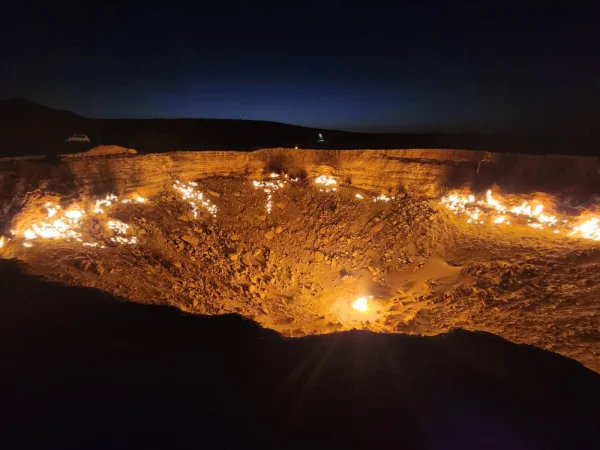
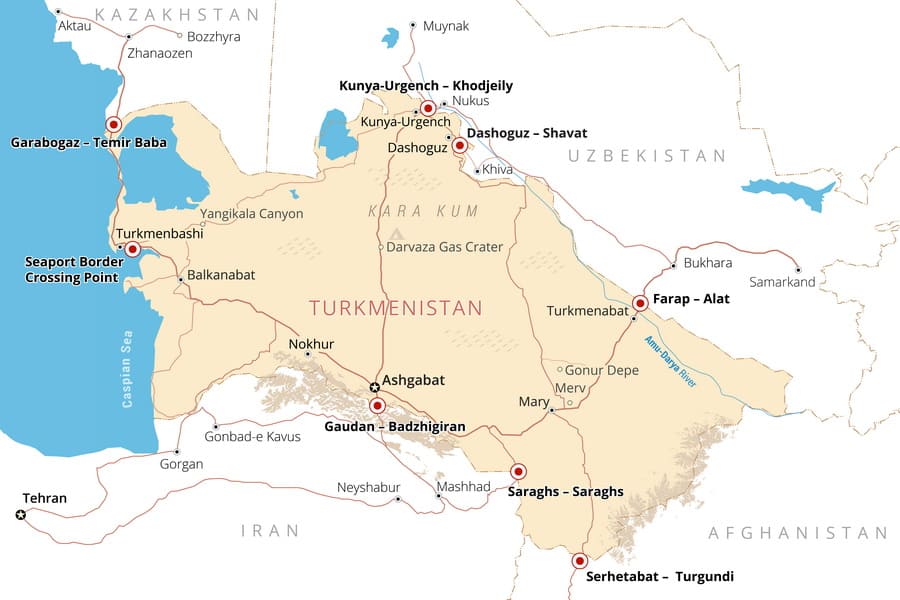
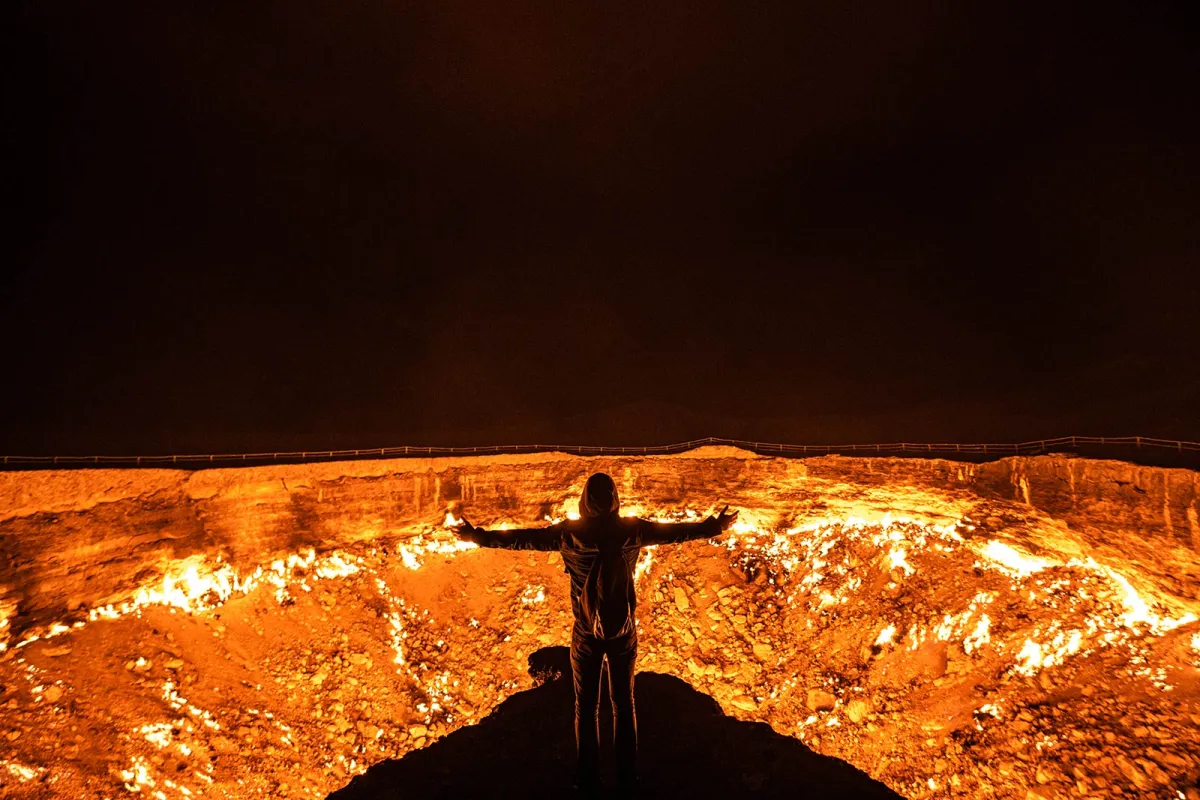
TmTourism provides fully customized, turnkey tours across Turkmenistan. Combine your equestrian passions with visits to world-renowned natural wonders like the blazing Darvaza Gas Crater ("Gates of Hell"), ancient ruins, and colorful Eastern bazaars. Contact our team today to design your bespoke equestrian itinerary!