Turkmenistan — a country with rich culinary traditions formed at the crossroads of Persia, Central Asia, and the Middle East. Local cuisine — is a combination of simple ingredients, deep flavors, and centuries-old recipes passed down from generation to generation. If you are traveling to Turkmenistan, this guide will help you understand what you must try and where to best do it.
Key Features of Turkmen Cuisine
Turkmen cuisine differs from Uzbek, Tajik, and Kazakh cuisines in several characteristic features:
- Meat — lamb and beef form the basis of most dishes. Poultry is less common.
- Simplicity of preparation — Turkmens prefer rich but not elaborate flavors. Not many spices are used.
- Abundance of bread — Turkmen bread (chorek, dograma) is served with every meal.
- Tea — the main drink — green tea, with or without milk, is drunk constantly, from morning till evening. A cup of tea — is a sign of hospitality.
- Seasonality — vegetables and fruits dominate in summer, while meat dishes and dried fruits are more common in winter.
Main Dishes of Turkmen Cuisine
Manty — King of the Turkmen Table
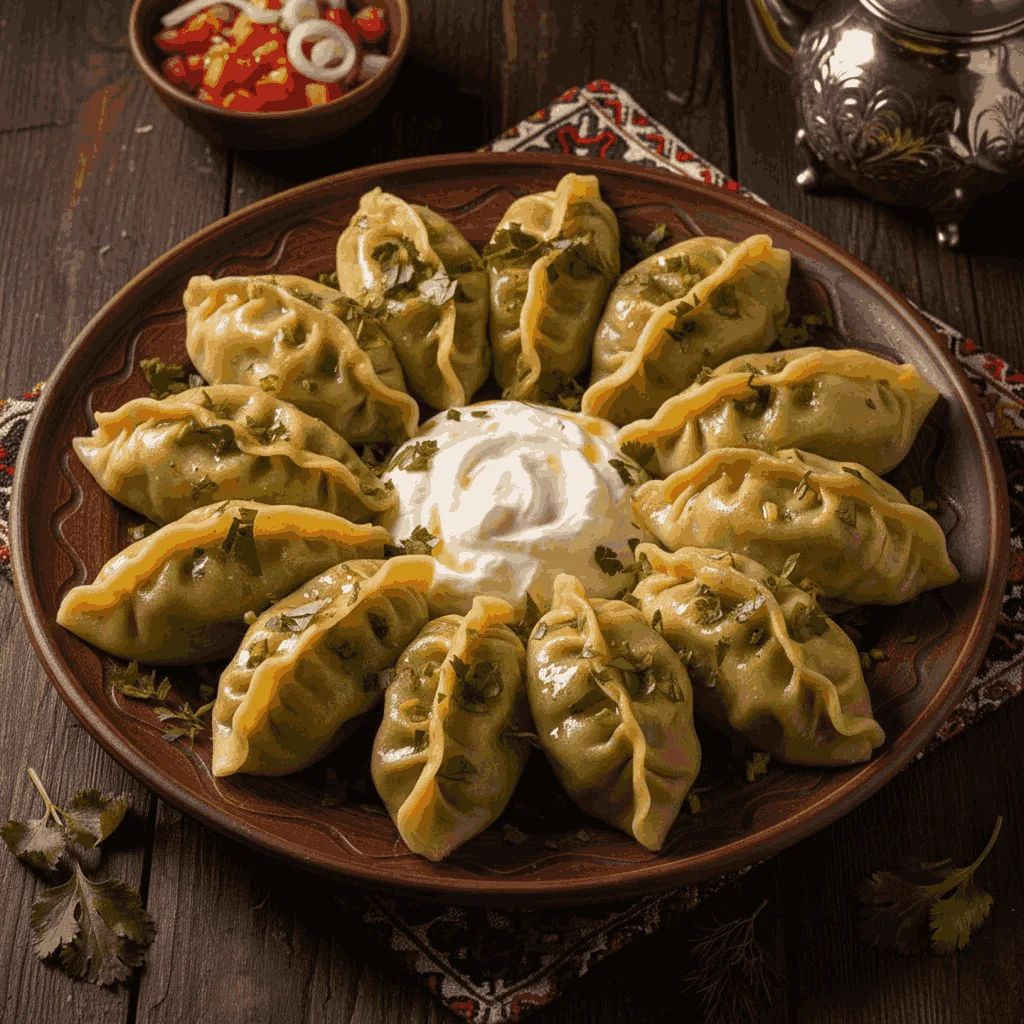
Manty — are large steamed dumplings with a meat filling, considered the main dish of Turkmen cuisine. Unlike Uzbek manty, Turkmen manty are usually larger in size and have thicker dough.
The filling is classic — lamb with onions and pumpkin (seasonally). In some regions, potatoes or herbs are added. Manty are served with tomato sauce or sour cream, generously sprinkled with herbs.
Where to try: Virtually in any cafe or restaurant. Manty are especially good in family chaykhanas, where they are prepared in the mornings.
Plov — National Treasure
Plov in Turkmenistan is prepared in its own way — it differs from Uzbek and Tajik versions. Turkmen plov is usually less fatty, with more carrots and spices.
Classic Turkmen plov includes:
- Rice (short-grain, local variety)
- Lamb (fatty piece on the bone)
- Carrots (yellow and orange, cut into strips)
- Onion, garlic, cumin, turmeric
Plov is cooked in large cauldrons, and a good plov should be crumbly, with a crispy crust at the bottom — kAZYLYK (crispy crust).
Shashlyk — Street Classic
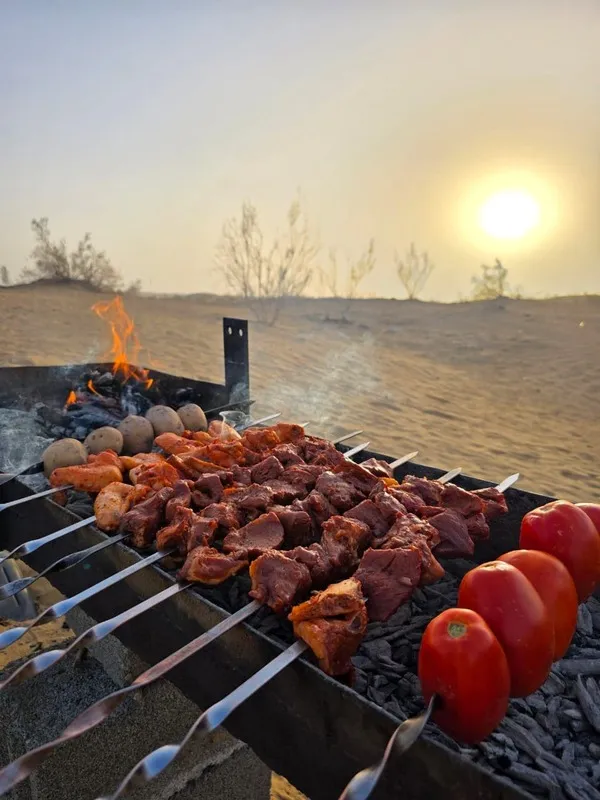
Shashlyk in Turkmenistan — is not just food, but an entire culture. Meat is marinated in onion juice with spices and grilled over coals on wooden skewers.
Features of Turkmen shashlyk:
- Meat is cut into large pieces (not small, like in the Caucasus)
- Marinade is simple — onion, salt, pepper, cumin
- Served with fresh onion, herbs, and bread
- Shashlyk is eaten by hand, wrapping the meat in lavash
Tip: The best shashlyk — is found in bazaars and summer cafes, where the meat is fresh and grilled over real coals.
Chorba and Shurpa — Rich Soups
Chorba — is a thick soup based on meat broth with vegetables. In Turkmenistan, chorba is made with lamb, potatoes, tomatoes, herbs, and garlic. The broth should be rich and clear.
Shurpa — is a lighter soup with a lot of vegetables and herbs. Often served as a first course in a family meal.
Both soups are served hot with bread and herbs.
Lagman — Turkmen Noodles
Lagman — is thick noodles with meat sauce. In Turkmenistan, lagman is made with lamb, bell peppers, tomatoes, garlic, and fresh herbs. The noodles are handmade by stretching the dough — hence the name.
Lagman comes in two types:
- Dry — noodles with sauce on top
- Liquid — soup with noodles
Chuchvara — Mini Manty
Chuchvara — are miniature manty, served in a rich broth with herbs. It is one of the most popular dishes in Turkmen chaykhanas. Chuchvara is usually eaten like a soup — with broth, a spoonful of sour cream, and fresh herbs.
Ishlekli — Turkmen Pie
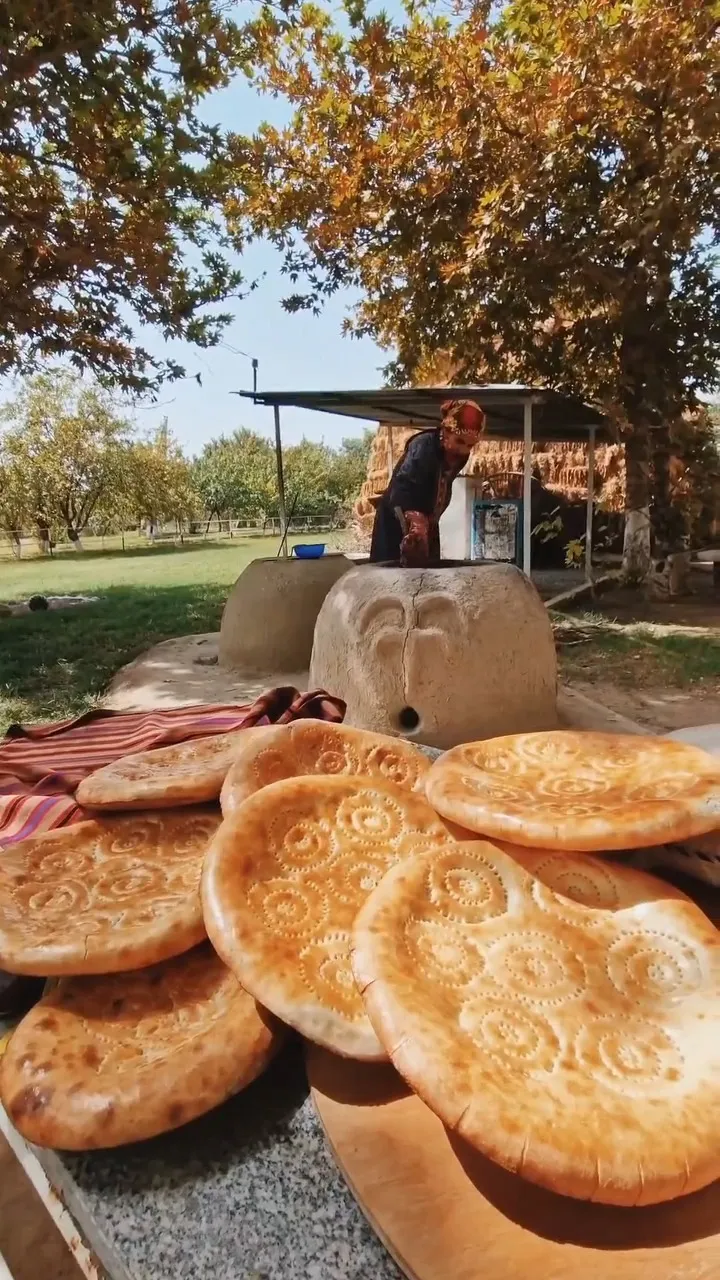
Ishlekli — is a round layered pie with a meat filling (lamb with onions). It is cooked in a tandoor and served hot. Ishlekli — is a great option for a quick snack or breakfast. In bazaars, it is sold individually.
Fitchi — Round Pastries
Fitchi — are round layered pastries with a filling of meat, pumpkin, or herbs. Unlike ishlekli, fitchi are usually smaller and have crispier dough. Often sold for takeaway — a convenient snack for travelers.
Bread and Pastries
Bread holds a special place in Turkmen culture. It should not be thrown, dropped on the ground, or turned upside down.
Chorek
Chorek — is traditional Turkmen bread, baked in a tandoor. It has a characteristic round shape with a hole in the middle and a patterned surface. Chorek comes in:
- Plain — simple bread for the daily table
- With butter — brushed with butter after baking
- With sesame — sprinkled with sesame for aroma
Dograma
Dograma — is torn bread, broken into pieces and served with tea. It is often eaten with tyubeteyka (cottage cheese) or butter.
Tea Culture
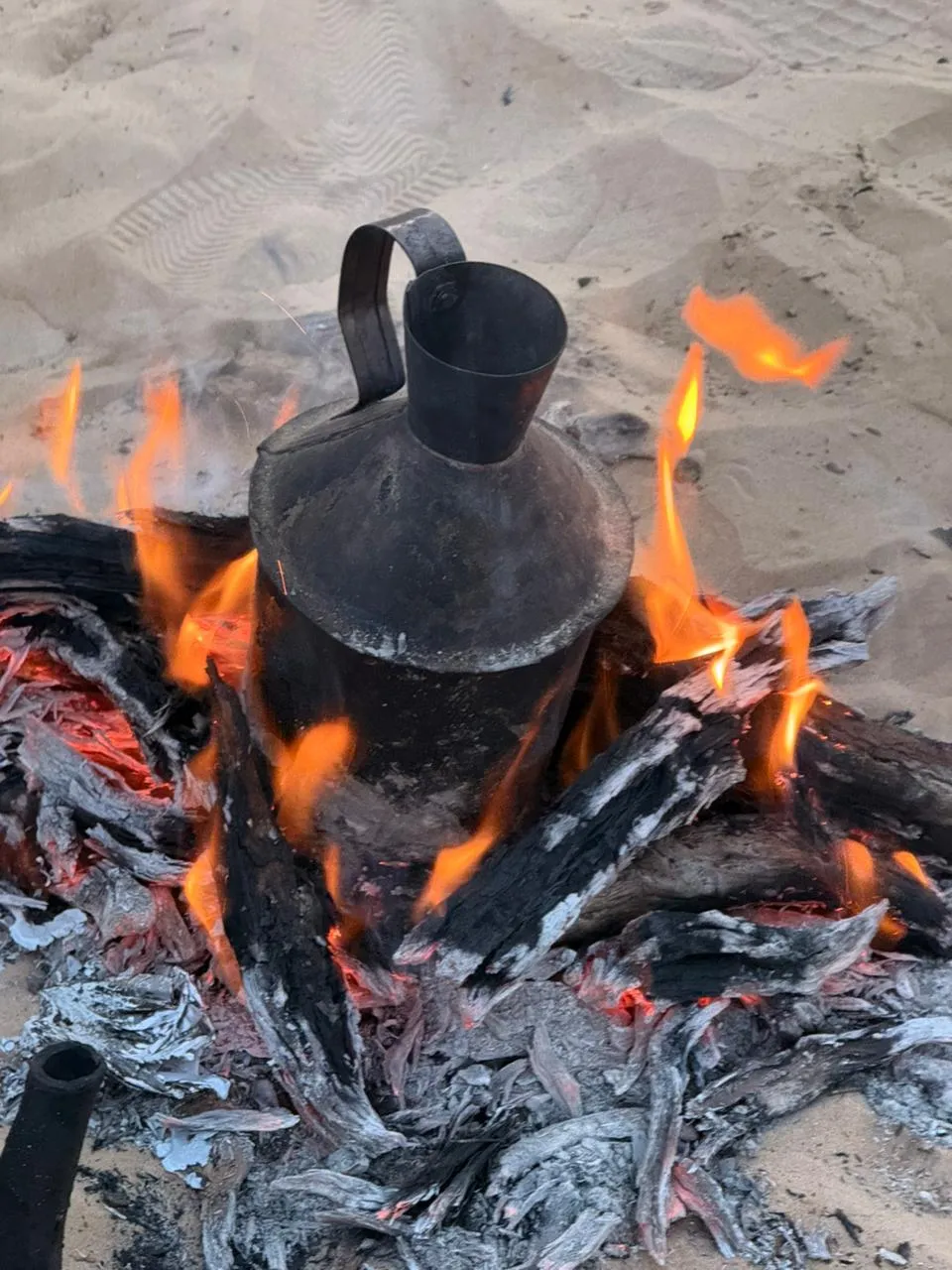
Tea in Turkmenistan — is not just a drink, but a way of communication. Offering tea to a guest — is a sign of respect. Refusing tea — is an insult.
How Turkmens Drink Tea
- Tea is served in small pialas (without handles) — so it cools down faster
- The first cup is poured generously and then discarded — "the tea is rinsed"
- The second cup is poured sparingly — "tea for the guest"
- Tea is drunk a lot — 3–5 pialas is normal for a guest
Types of Tea
- Green tea — the main drink, consumed year-round
- Tea with milk — a popular breakfast, especially in rural areas
- Tea with salbid (a drink made from sprouted wheat) — served for breakfast
Drinks
Besides tea, the following are popular in Turkmenistan:
- Ayran — a fermented dairy drink, refreshing in hot summer
- Kumys — mare's milk, especially in rural areas
- Freshly squeezed juices — from pomegranate, watermelon, grapes (seasonal)
- Chal — a traditional drink made from sprouted wheat, rich in vitamins
Sweets and Dried Fruits
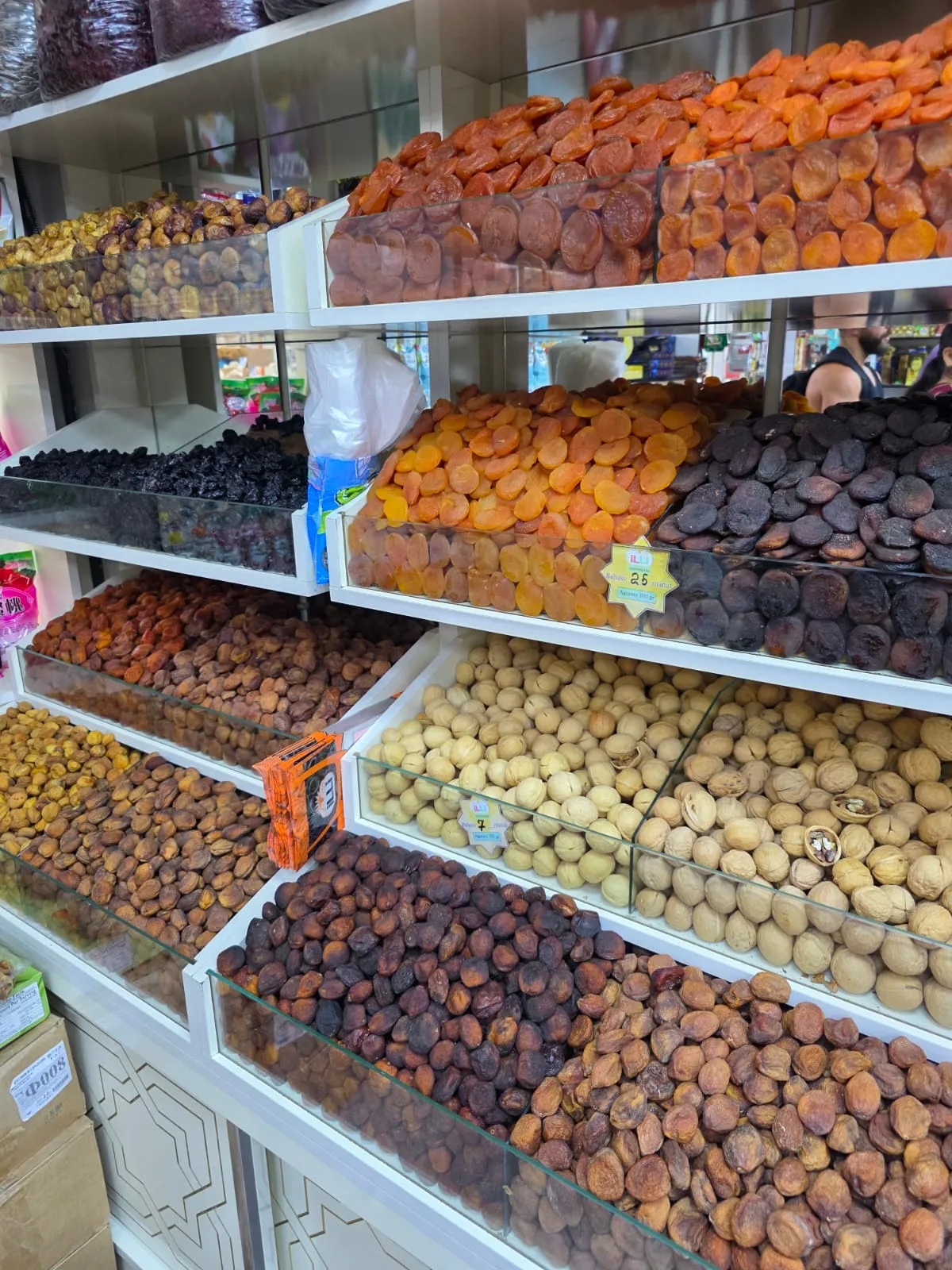
Turkmenistan is famous for its dried fruits — it's one of the main souvenirs tourists bring back.
Popular Dried Fruits
- Apricots (kurek) — sweet, sun-dried
- Figs — soft, with a honey-like taste
- Raisins — various varieties, from light to dark
- Uryuk — large dried apricot
- Walnut — often mixed with dried fruits
Traditional Sweets
- Paluda — Turkmen halva made from flour, oil, and honey
- Sutlash — rice pudding with cinnamon
- Koshmas — a roll of dried fruits and nuts in lavash
Where to Eat in Turkmenistan
Chaykhanas — the Heart of Turkmen Cuisine
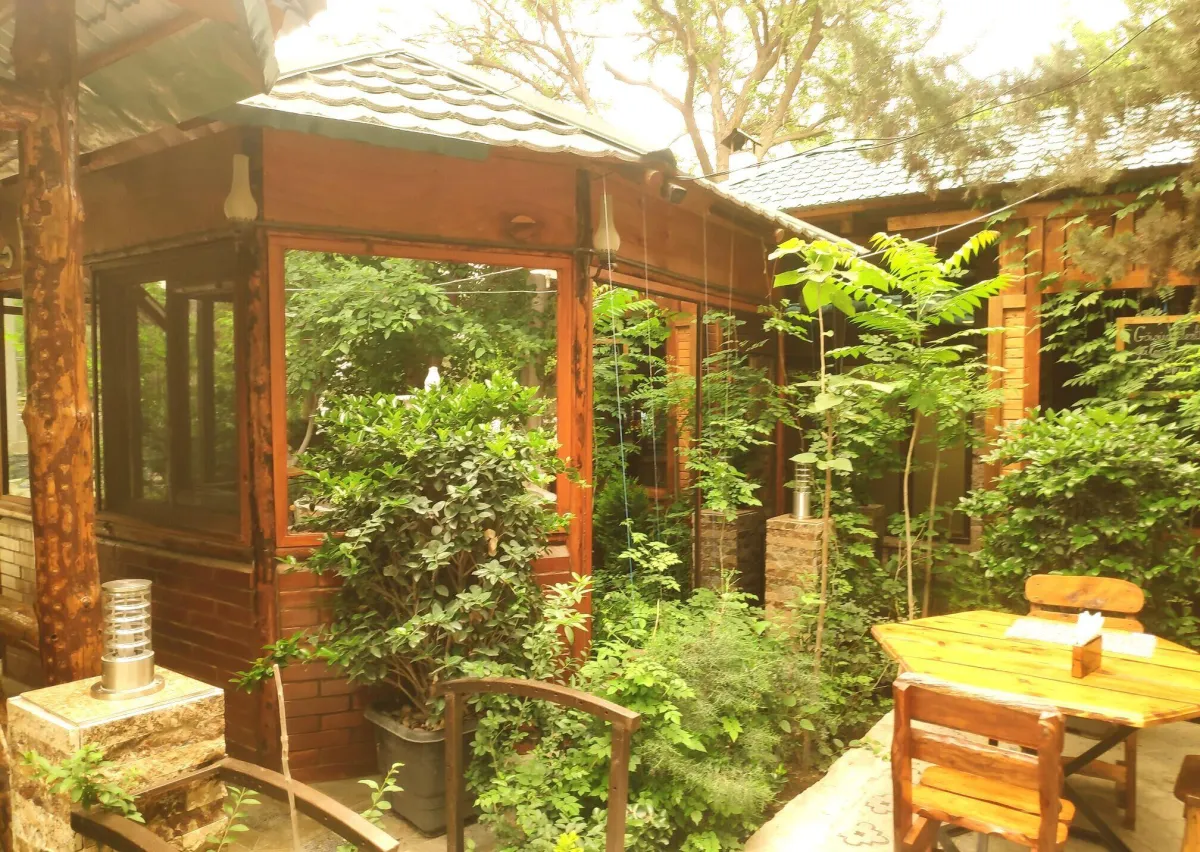
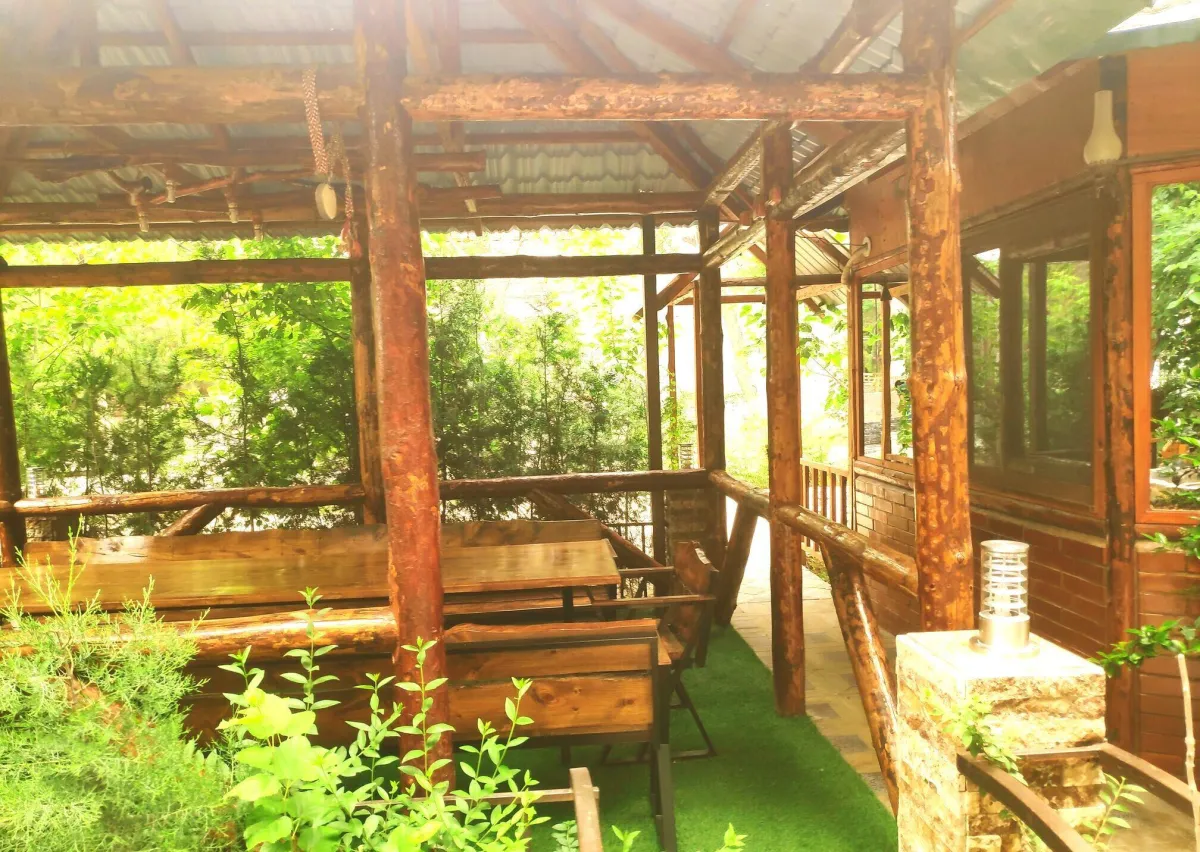
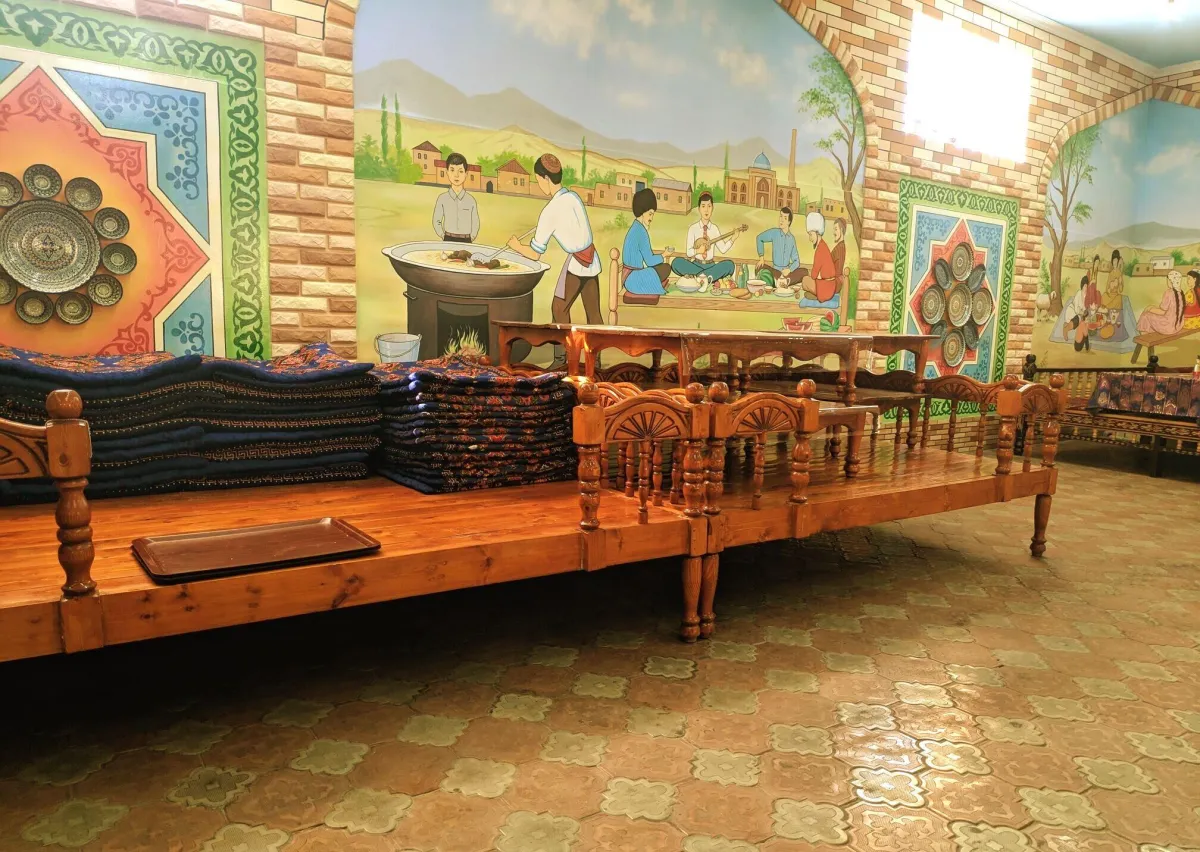
Chaykhanas — are traditional Turkmen cafes where national cuisine is served. Here, the most delicious manty, plov, and shashlyk are prepared. Chaykhanas can be:
- Family-run — cooked at home, served in a patio
- Bazaar-based — located at bazaars, fast service
- Restaurant-style — more expensive, with a wider menu
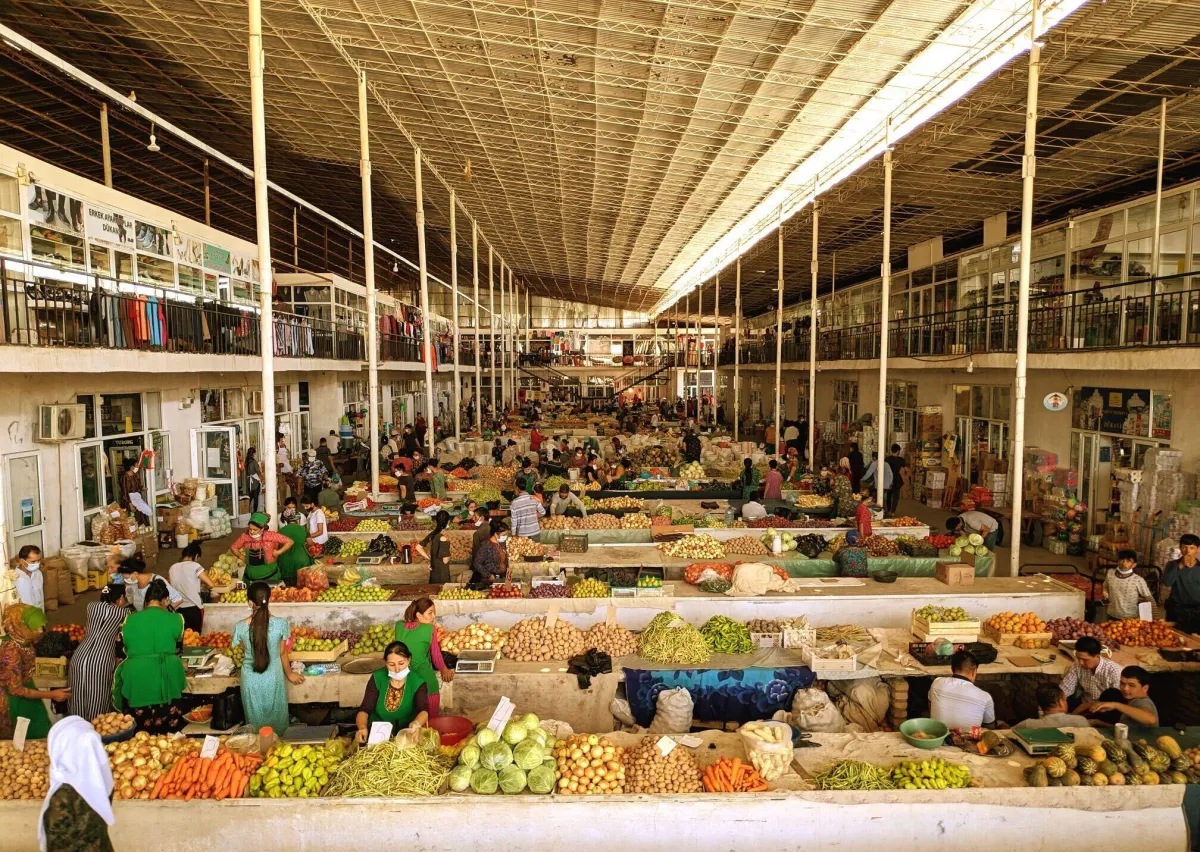
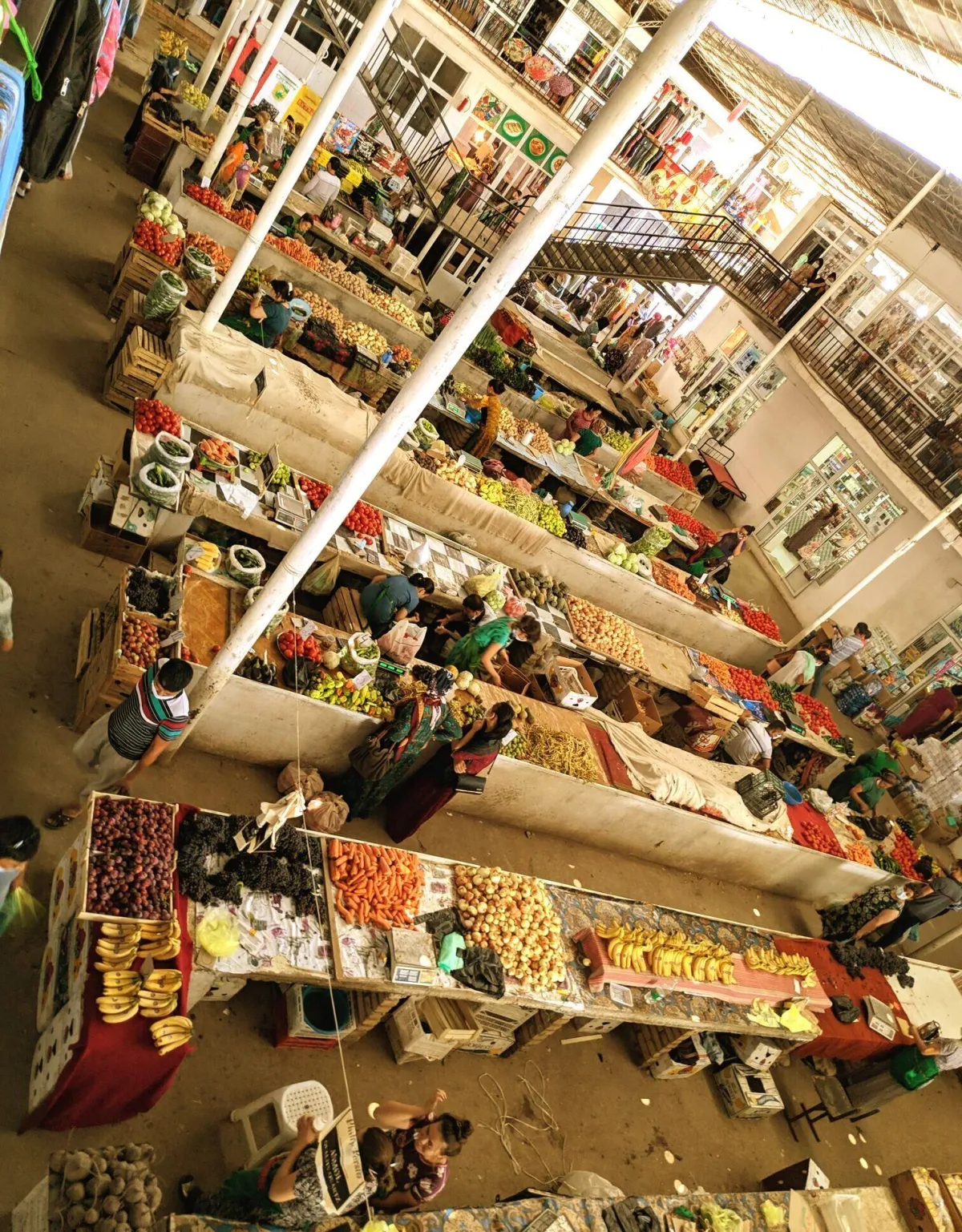
Bazaars — the Best Place for Budget Dining
At bazaars, you can find:
- Ready-made food (plov, manty, shashlyk)
- Fresh fruits and vegetables
- Dried fruits and nuts
- Dairy products
- Spices and seasonings
Prices at bazaars are 2–3 times lower than in restaurants.
Restaurants
In Ashgabat, there are several national cuisine restaurants with a good reputation. The cost of a meal for one person — $5–15.
Table Etiquette
In Turkmenistan, there are several rules a tourist should know:
- Bread is sacred — do not throw bread, do not turn it upside down, do not cut it with a knife (break it with your hands)
- Right hand — eat and serve food with your right hand
- Don't rush — Turkmens eat slowly, enjoying the food and conversation
- Host pays — when visiting, it is not customary to split the bill
- More food — if you are offered more, it is a sign of hospitality
- Don't finish your tea — if your cup is empty, it will surely be refilled. To show that you are finished, rock the cup
Must-Try: TOP-5 Dishes
| № | Dish | Why try it | Approximate price |
|---|---|---|---|
| 1 | Manty | The main dish of Turkmen cuisine, tender dough and juicy filling | 12–25 manat ($3.40–7.10) |
| 2 | Plov | A classic, the Turkmen version with a unique taste | 10–20 manat ($2.80–5.70) |
| 3 | Shashlyk | Fresh meat grilled over coals — must try | 15–30 manat ($4.30–8.50) |
| 4 | Chorek | Traditional tandoor bread — perfect with tea | 1–3 manat ($0.30–0.85) |
| 5 | Dried fruits | The best souvenir, fresh and natural | 10–20 manat/kg ($2.80–5.70) |
Conclusion
Turkmen cuisine — is simple, hearty, and delicious food, reflecting the character of the people: hospitable, warm, and traditional. In Turkmenistan, you won't find refined Michelin-level restaurants, but you will taste authentic homemade cuisine, prepared with love and recipes that are over a hundred years old.
A traveler's main rules: eat in bazaars, drink tea in chaykhanas, try manty and shashlyk — and you will surely fall in love with Turkmen cuisine!